
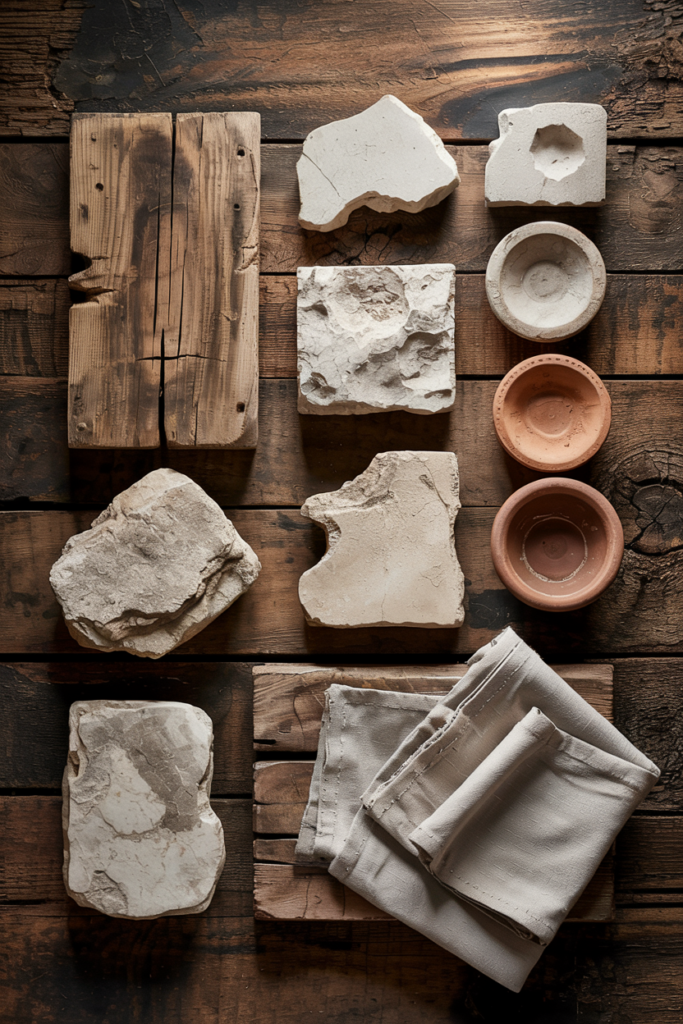
Wabi-sabi is the opposite of a showroom bathroom.
It finds real beauty in weathered wood, cracked glaze and a surface that shows its own history, rather than hiding it.
These 27 ideas cover how that philosophy actually translates into a working bathroom.


Why Wabi-Sabi Works So Well in a Bathroom
A bathroom is one of the few rooms built almost entirely from hard, often flawless-looking materials, which makes the contrast of something imperfect and natural feel especially intentional.
At its core, wabi-sabi values the honest, the asymmetrical and the aged over anything polished or mass-produced.

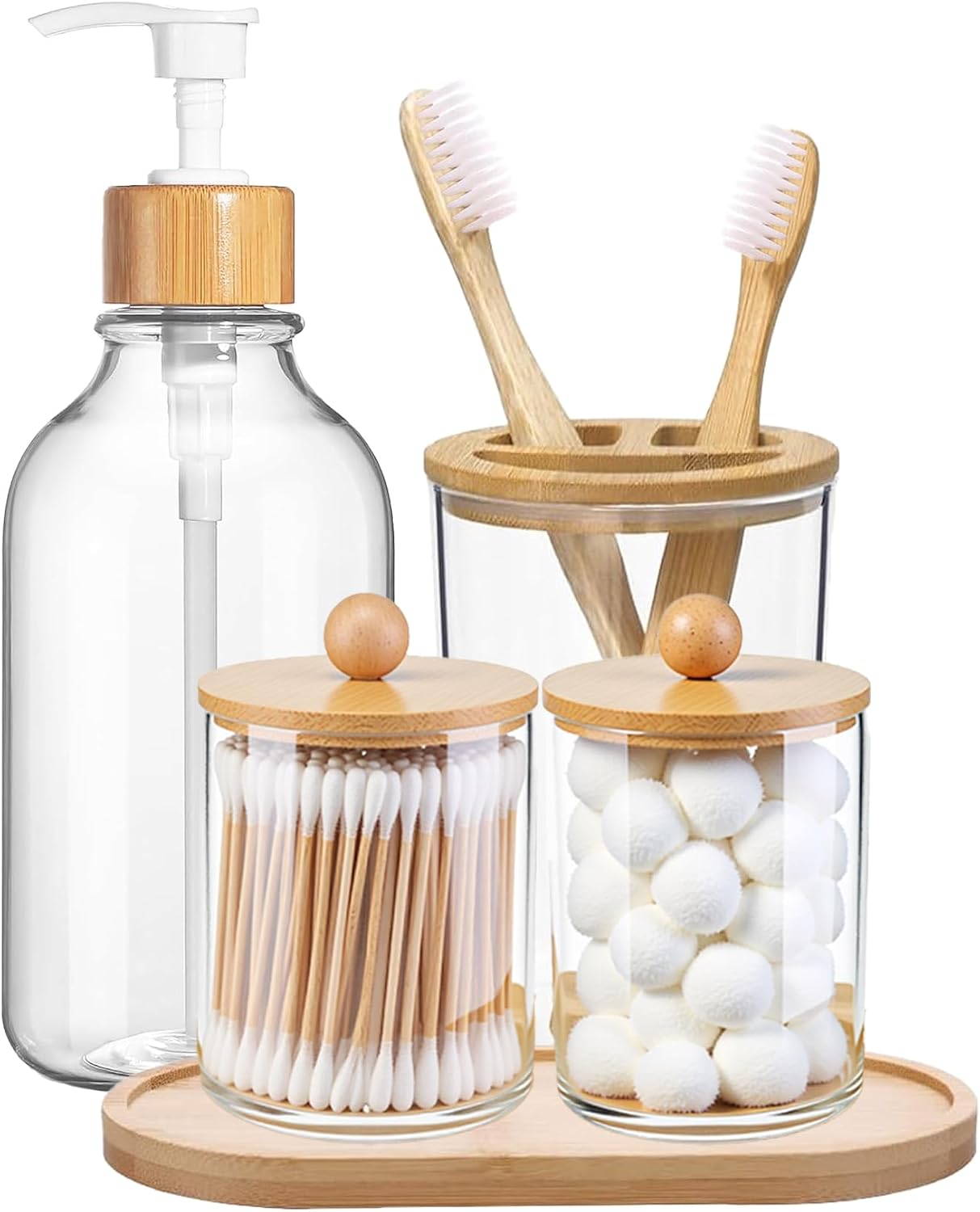
5 Pack Bamboo Bathroom Accessories Set with Tray, Soap Dispenser, Toothbrush Holder, Jars
Shop on Amazon
Start With an Earthy Palette
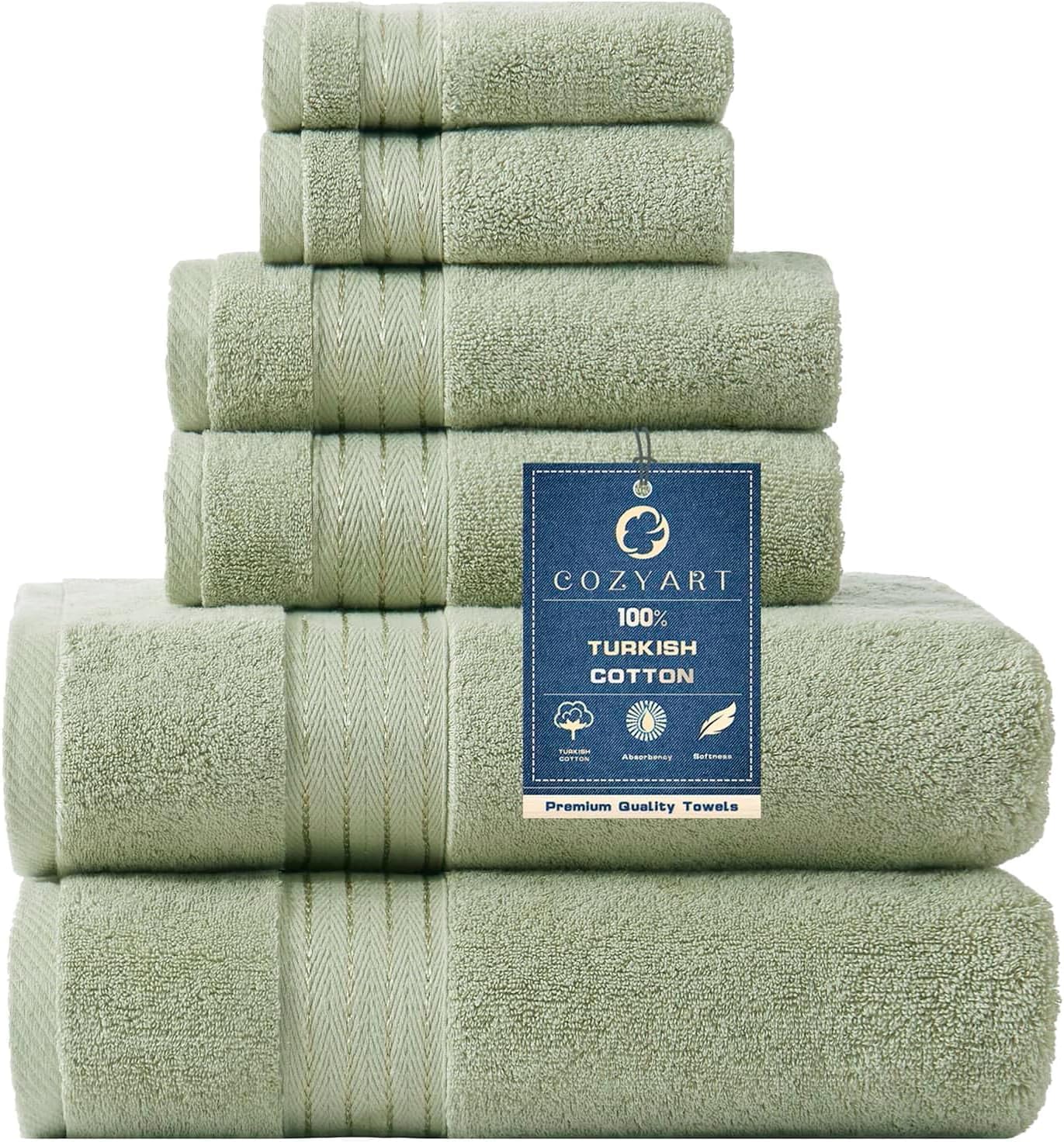
A muted green, drawn from moss or sage, grounds the whole room in something that reads as calm rather than decorative.

A warm brown, especially in a natural clay or wood tone, brings genuine depth without ever feeling heavy.

A faded gray, closer to stone than to a cool modern gray, keeps the palette from reading as sterile.


Bring In Real Texture
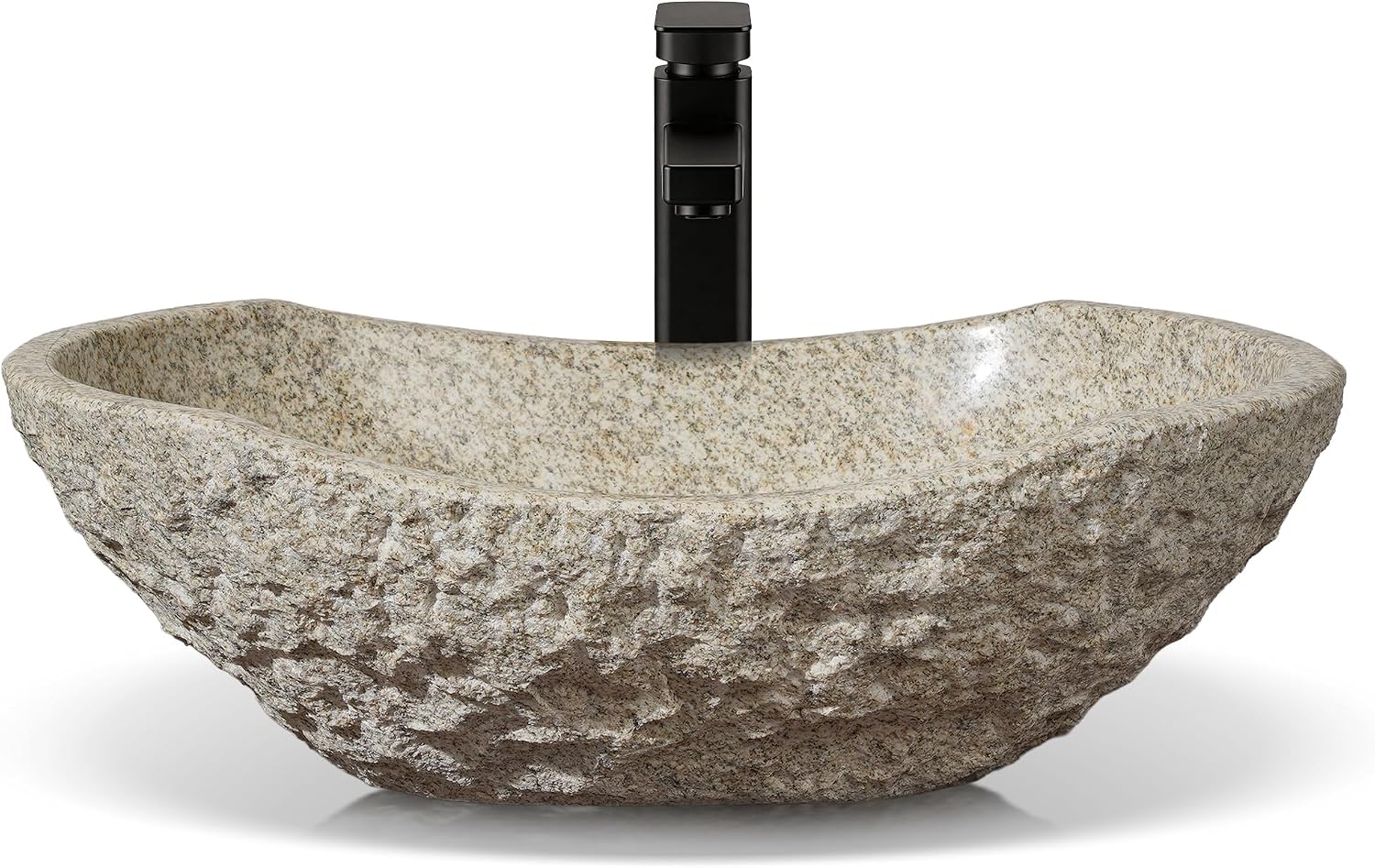
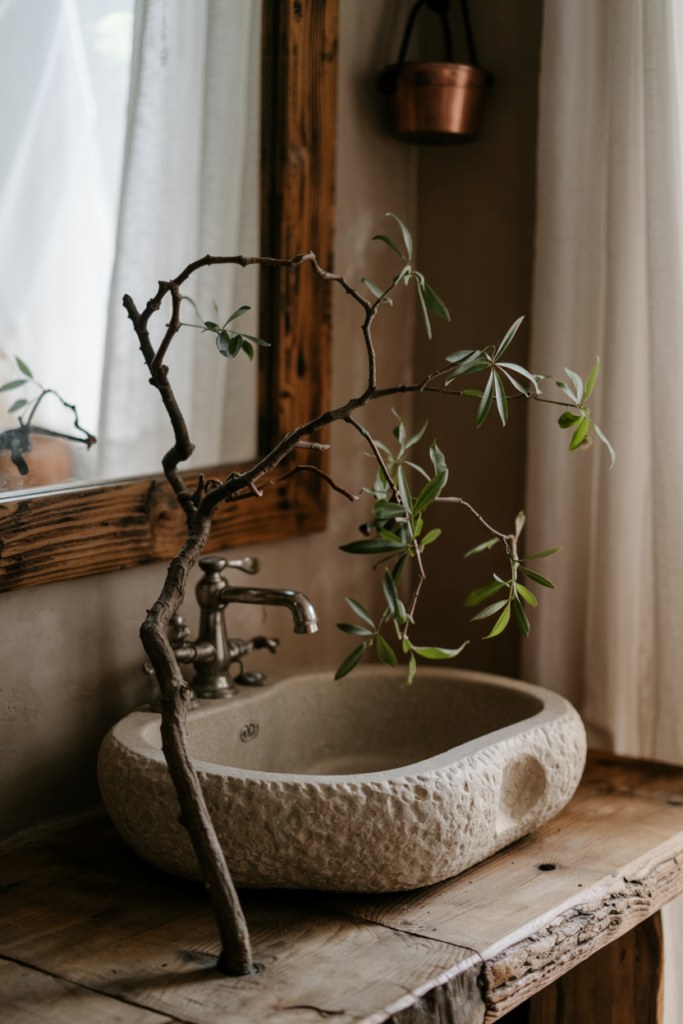
A rough-hewn stone sink keeps its natural, unpolished surface visible, turning a purely functional fixture into the room's quiet centerpiece.

Woven baskets bring genuine tactile warmth and solve real storage needs at the same time.

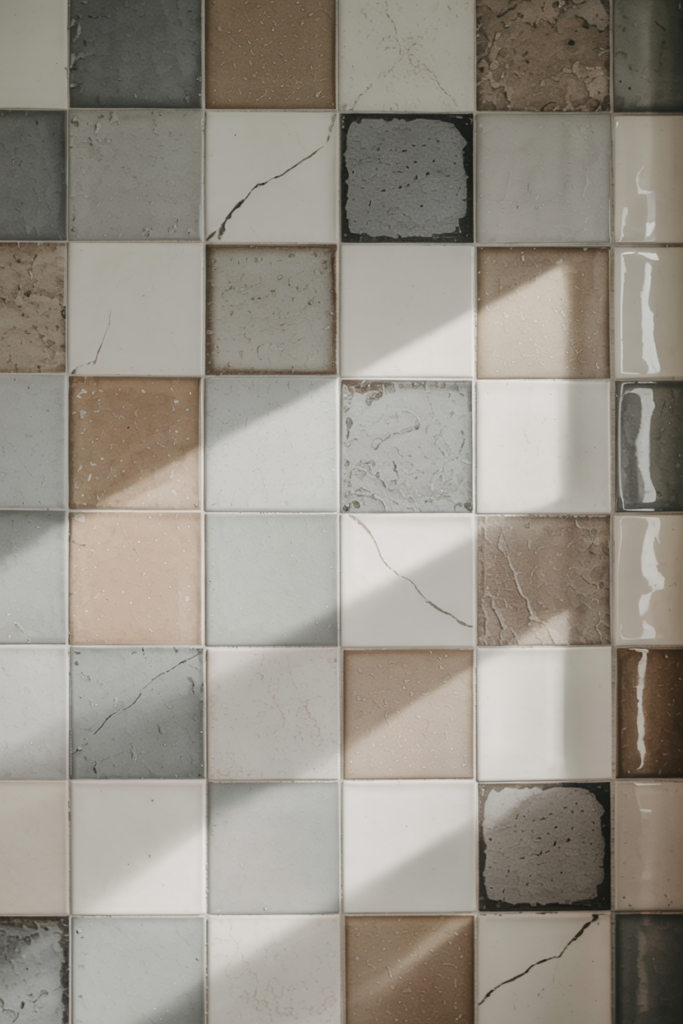
Deliberately cracked or crackle-glazed ceramic tile embraces imperfection directly, rather than hiding it the way a flawless tile would.

Lean Into Rustic Materials
Exposed wooden beams overhead bring genuine architectural warmth that a flat, finished ceiling never quite matches.
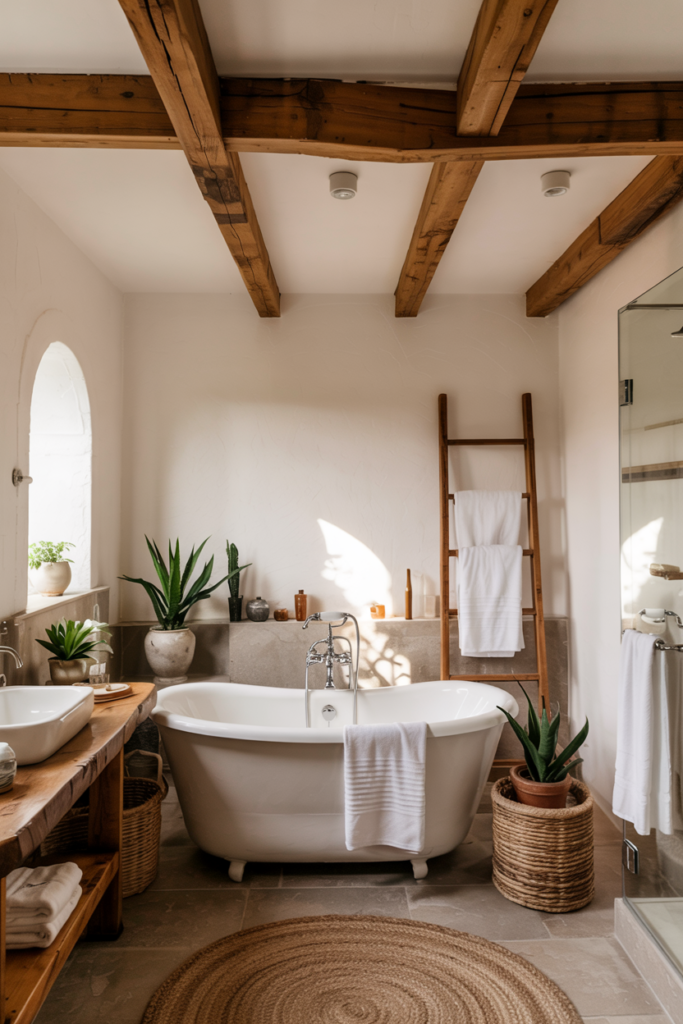
A weathered wood vanity, with real visible grain and imperfection, anchors the room in a way a flawless laminate finish can't.

Bamboo shelving brings a light, natural texture that pairs easily with almost every other material on this list.

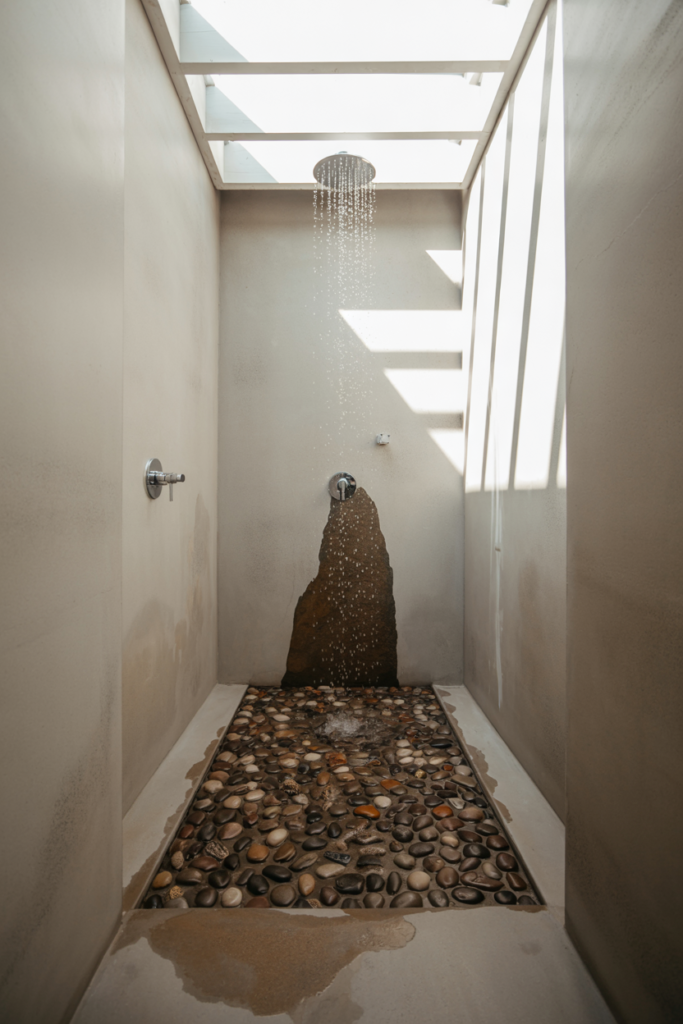
Pebble floor tiles bring genuine organic texture underfoot, a small but constant physical reminder of the room's natural-material story.


Upgrade the Bathing Area
A clawfoot tub that's allowed to show its age and patina reads as considered rather than simply old.

A stone shower floor continues the room's natural-material story into the one area most often finished in plain tile.

A wooden shower bench brings warmth and genuine function into a space that's usually all hard, cold surfaces.


Keep the Decor Minimal
A single plant does more for a wabi-sabi bathroom than a cluster of several ever could, since restraint is part of the philosophy itself.

Bare walls, left intentionally empty, give the room's natural materials room to be the actual focal point.

One statement light fixture, rather than several smaller ones, keeps the lighting as deliberate as everything else in the room.


Set the Mood With Lighting
A lantern-style fixture brings a soft, warm glow that feels more like candlelight than a typical overhead bathroom light.

Exposed bulbs, left visible rather than hidden behind a shade, fit the room's broader honesty-over-polish philosophy.
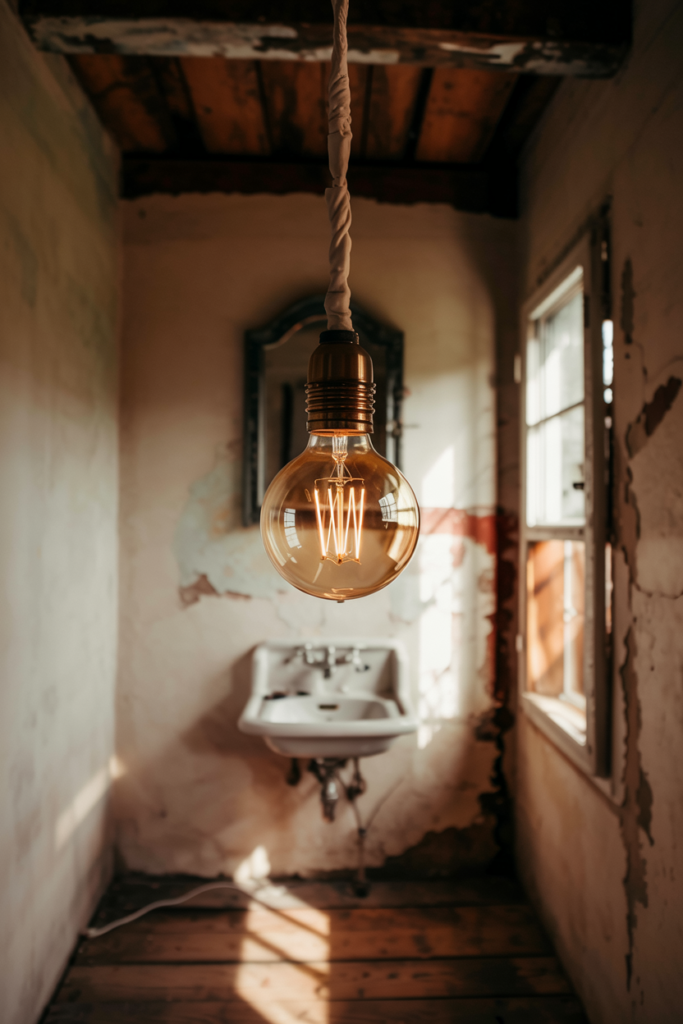


A small candle corner adds flickering, natural light that no electric fixture quite replicates.
Choose Imperfect Accessories
A handmade soap dish, with its slightly uneven shape, is exactly the kind of small imperfect detail wabi-sabi is built around.

Slightly frayed, well-worn towels read as lived-in rather than neglected, once the rest of the room supports that same story.

A mirror with a rusted or aged frame continues the patina theme into one of the room's most noticeable fixtures.


Solve Storage the Wabi-Sabi Way
Open wooden crates bring visible, honest storage instead of hiding everything behind a closed cabinet door.

Clay jars, left unglazed or minimally finished, store small items while reinforcing the room's earthy material palette.

Hanging rope shelves bring a relaxed, handmade quality that a built-in shelf unit doesn't offer.


Finish With the Smaller Details
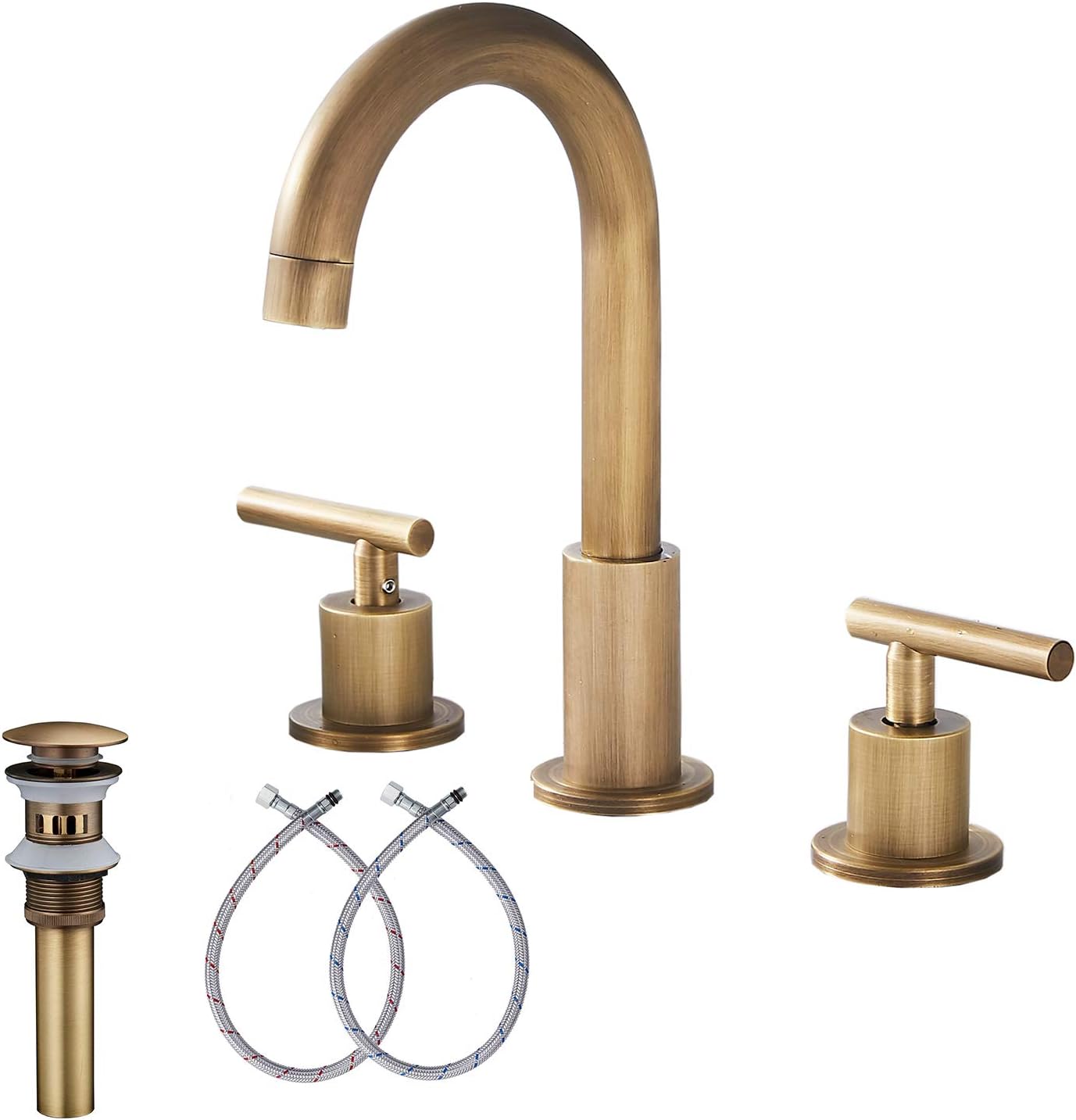
Aged brass fixtures, left to develop their own natural patina rather than staying polished, tie the room's hardware into its broader philosophy.

A small touch of real nature — a dried branch, a stone, a piece of driftwood — closes the room's story in the simplest way possible.

Embracing the Imperfect
None of these 27 ideas need to happen at once, and that's genuinely part of the point.
Start with the palette and one or two textural pieces, then let the room's natural materials age and develop their own character over time.
A wabi-sabi bathroom isn't finished so much as it keeps becoming more itself.