
A raised bed's edging isn't a border line — it's a structural wall holding soil in place, which makes the material choice a genuinely different decision than edging a ground-level flower bed.
This covers the materials actually suited to that job, and how to pick between them.
Why Raised Bed Edging Actually Matters
Beyond containing soil, the right edging material protects the structure from rot, pests and weather, which directly affects how many years the bed actually lasts.
This is a functional decision first and a styling one second, unlike edging for a ground-level bed where the stakes are lower.

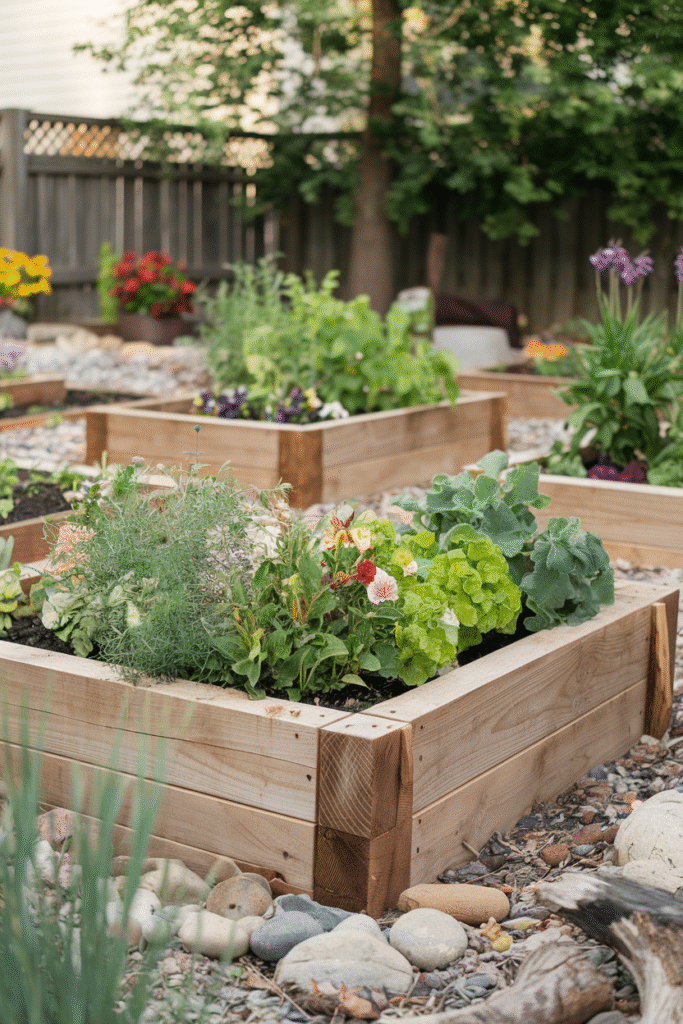
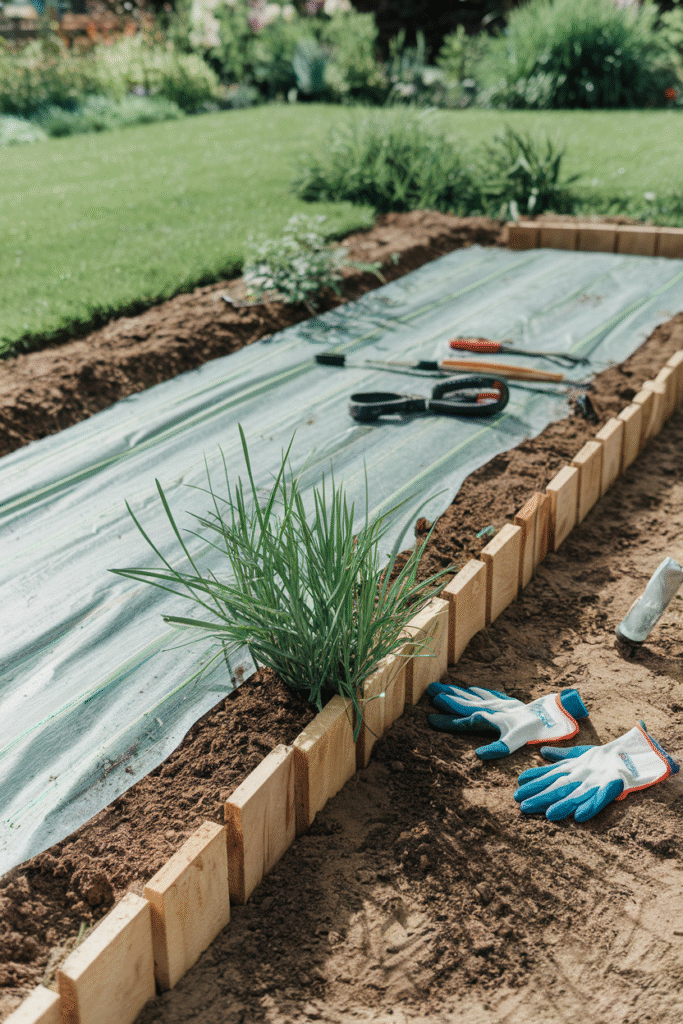
Classic Wood
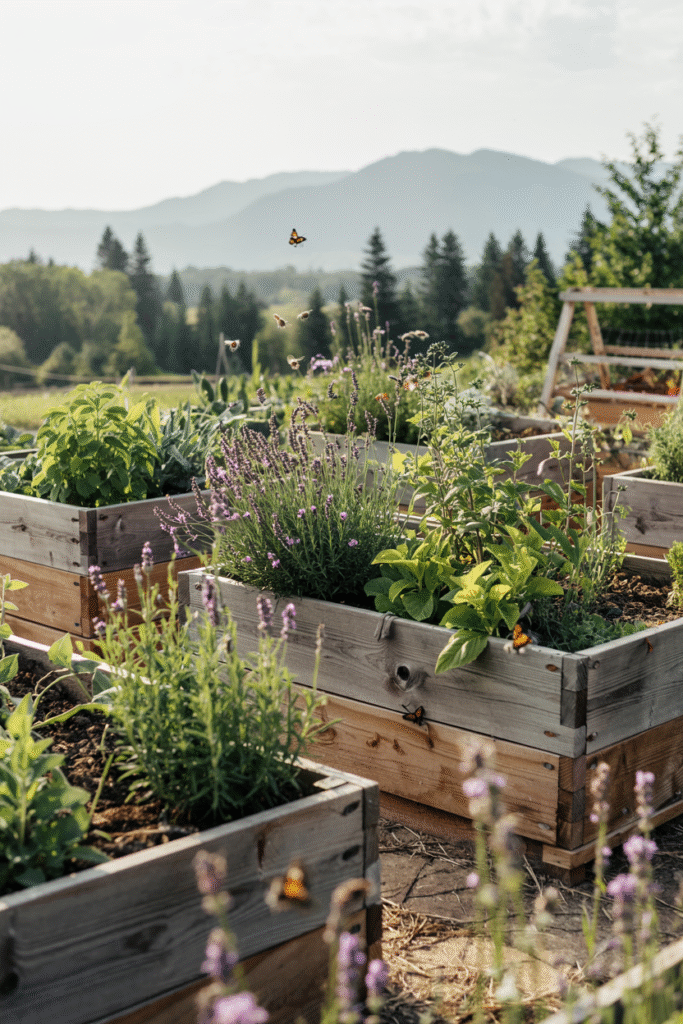
Wood remains the most popular choice for genuine reason — it's affordable, easy to work with, and brings real warmth to the garden.
Rot-resistant species like cedar last considerably longer than standard lumber, which matters more here than it would for a purely decorative edge.


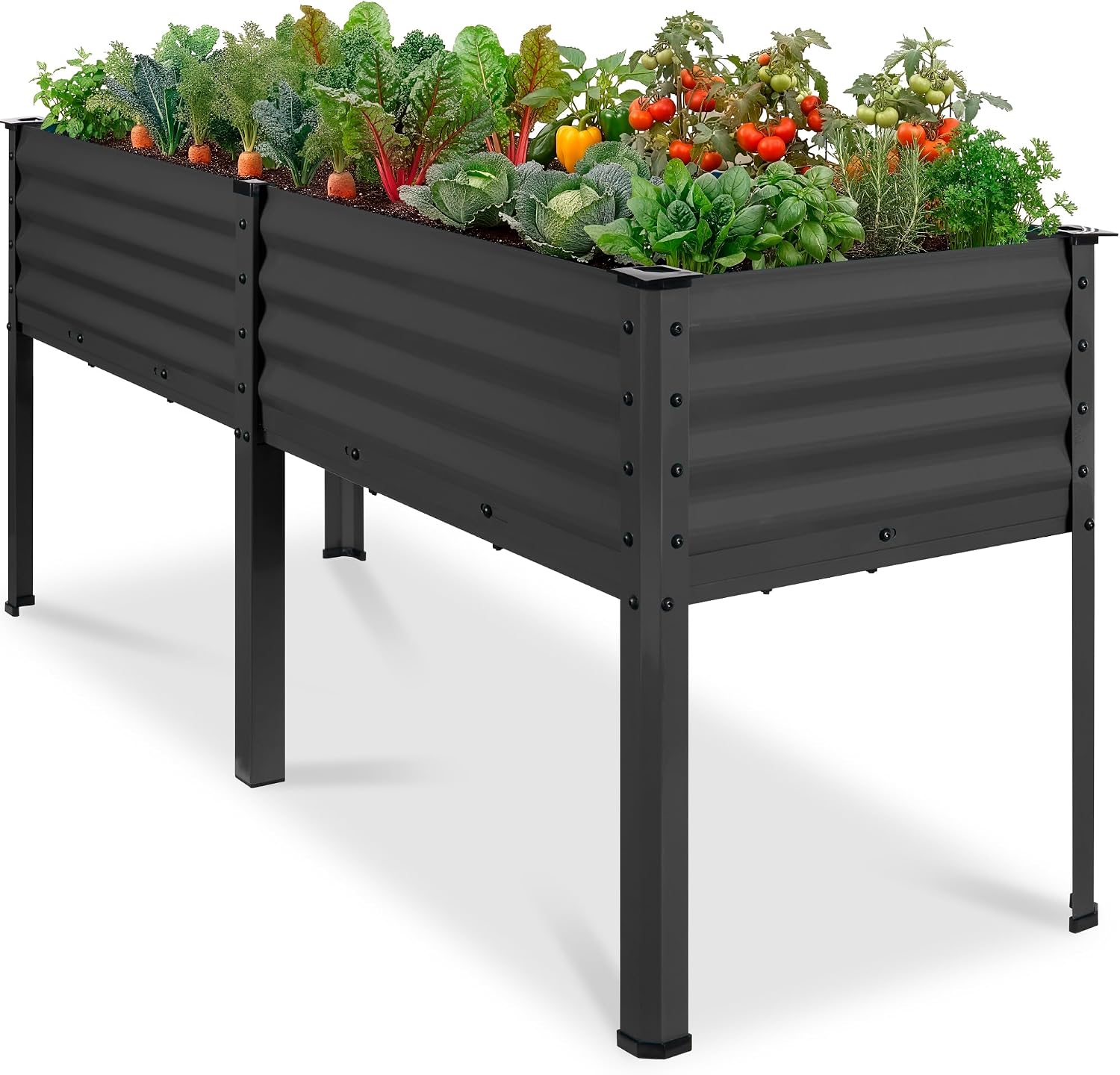
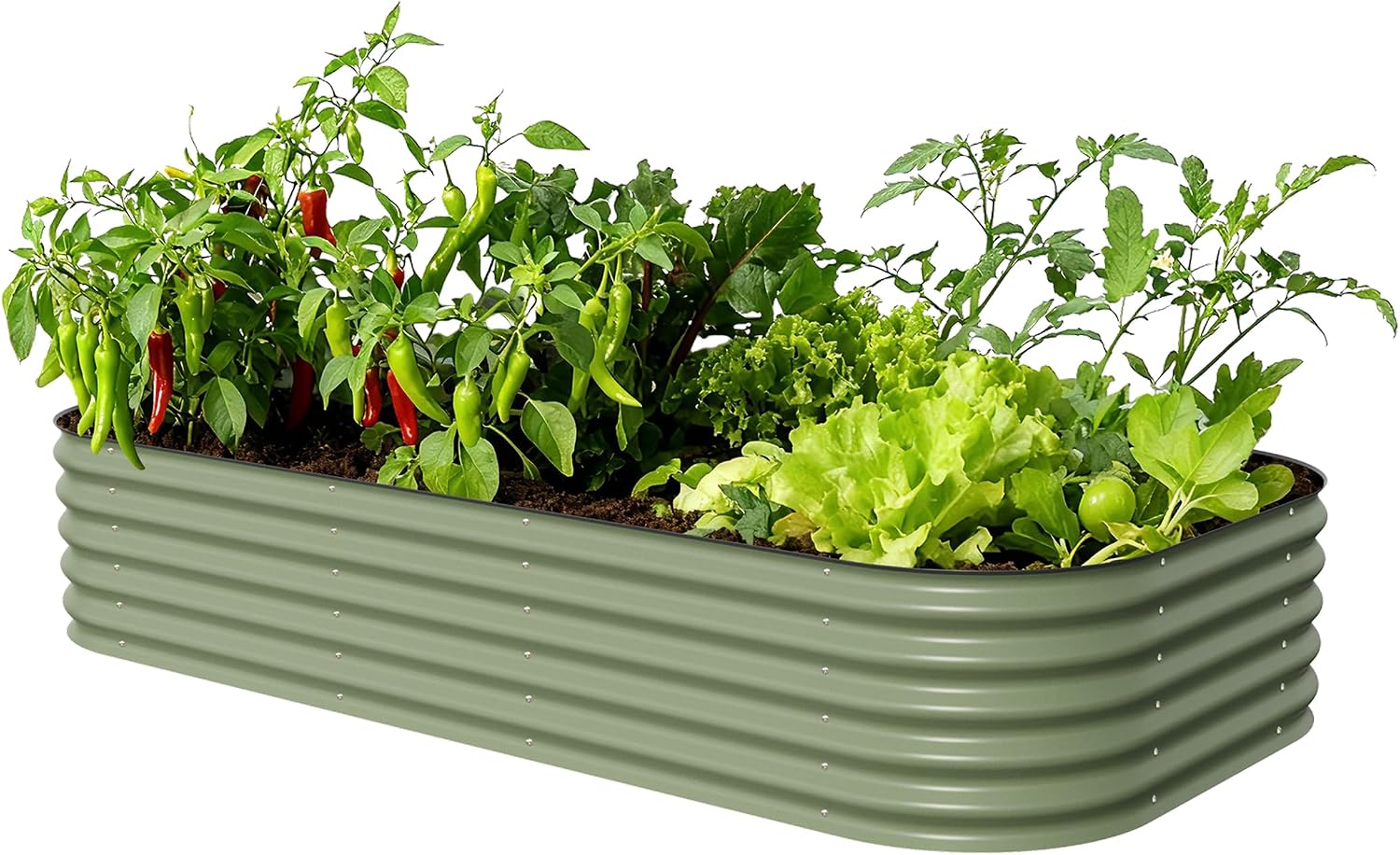
Metal
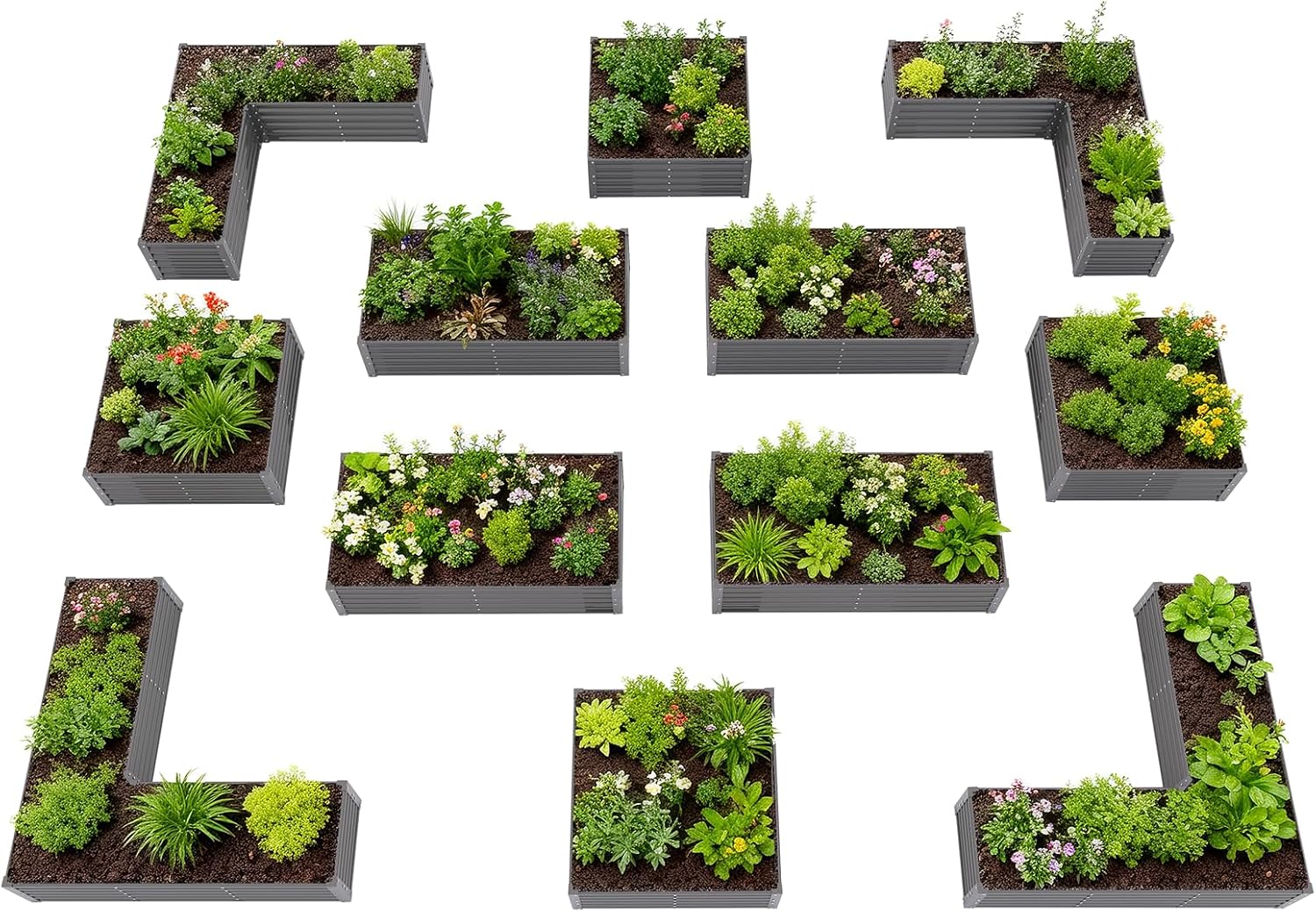
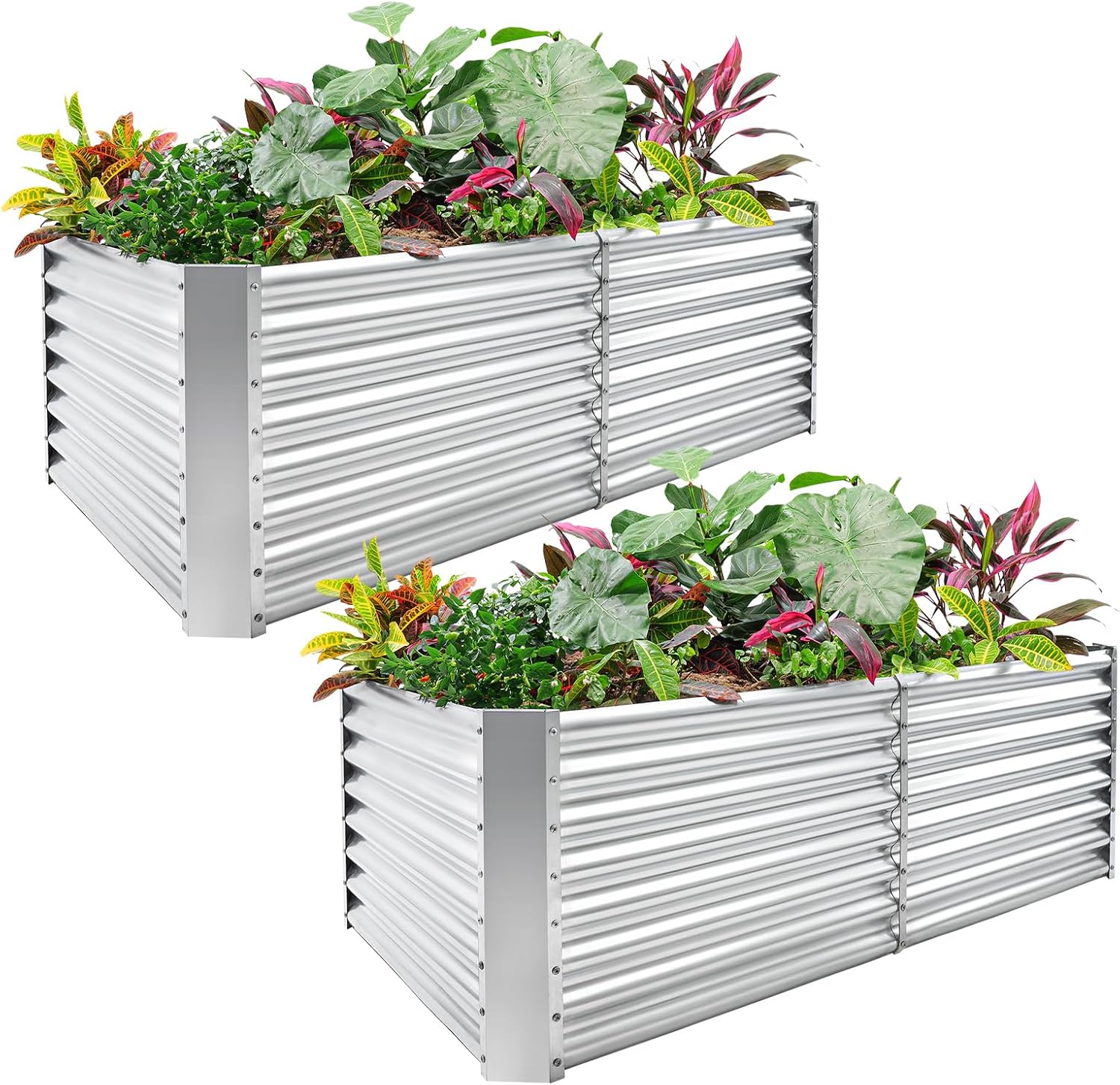
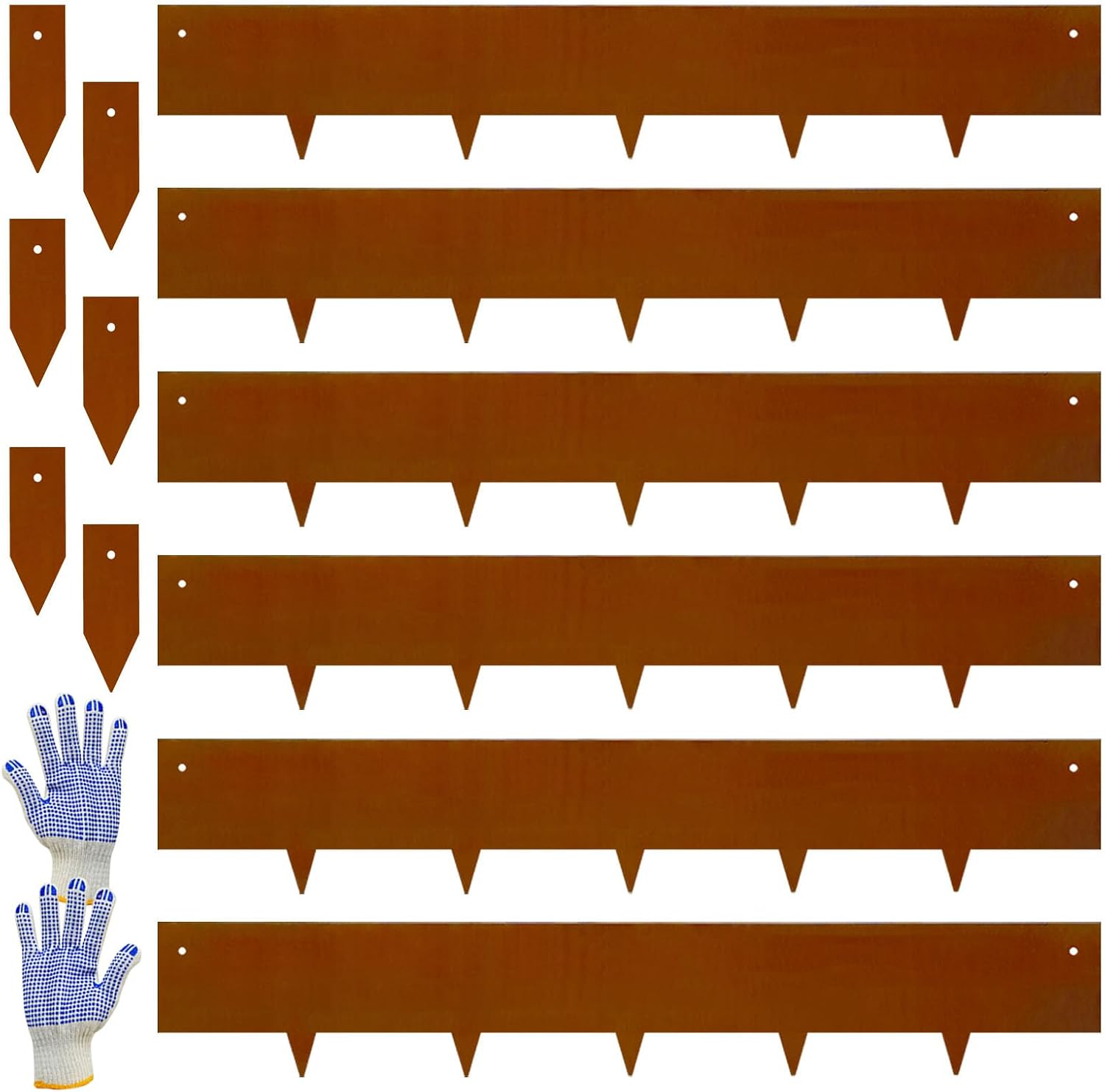
Metal edging brings a sleek, modern look along with genuine durability that outlasts most wood options.
A rust-resistant coating or an inherently corrosion-resistant metal matters more for a raised bed than it would for ground-level edging, given the sustained contact with damp soil.


Stone and Brick
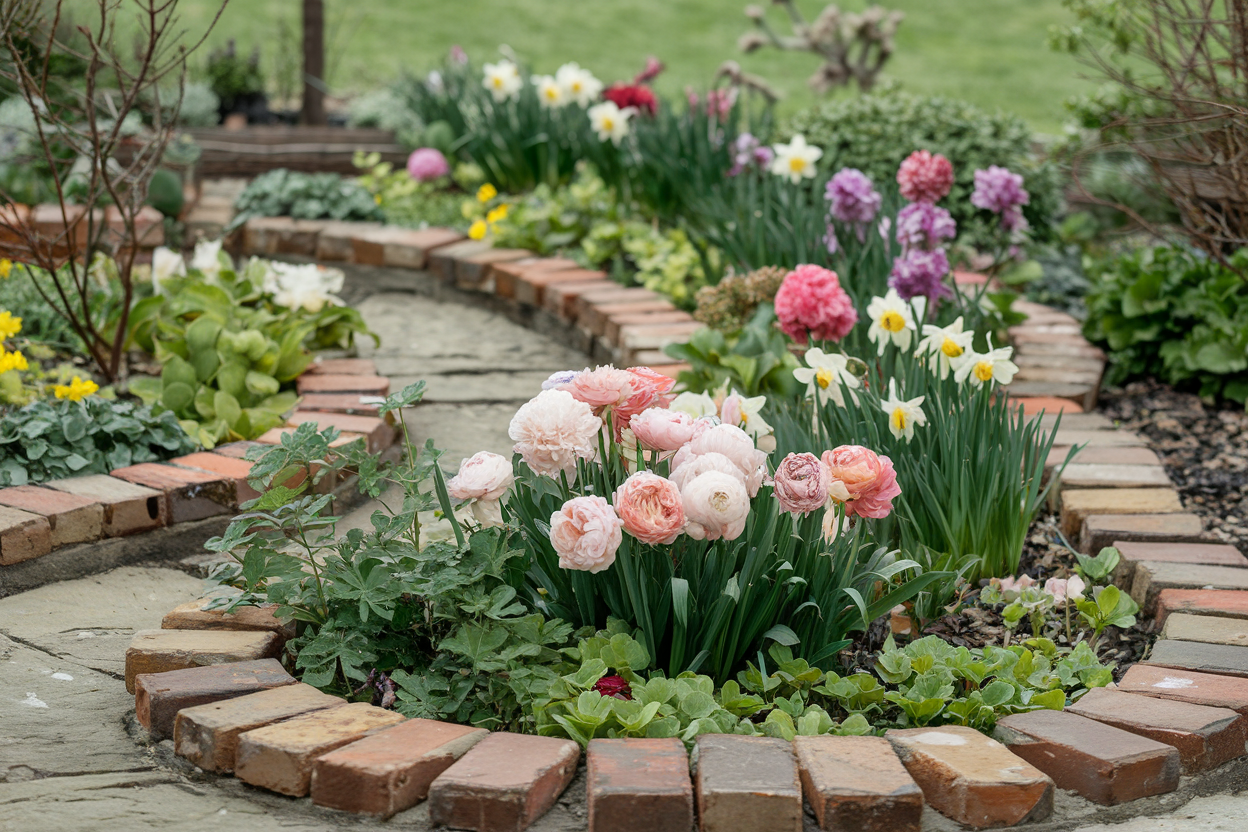
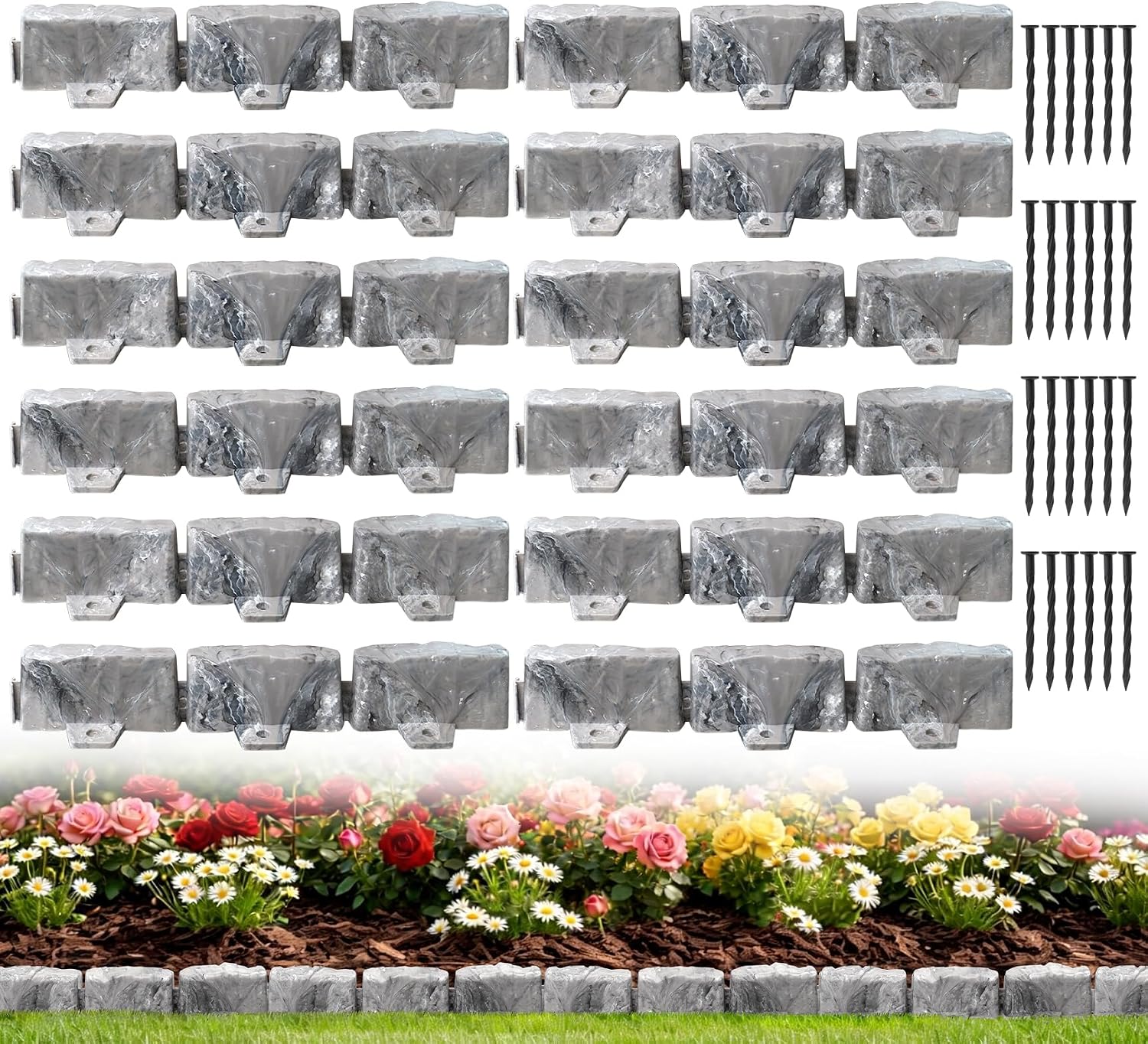
Stone or brick brings genuine permanence and a built-to-last quality that few other materials can match for a raised structure.
This is a bigger upfront investment, both in cost and labor, but one that essentially never needs replacing once properly installed.


Concrete
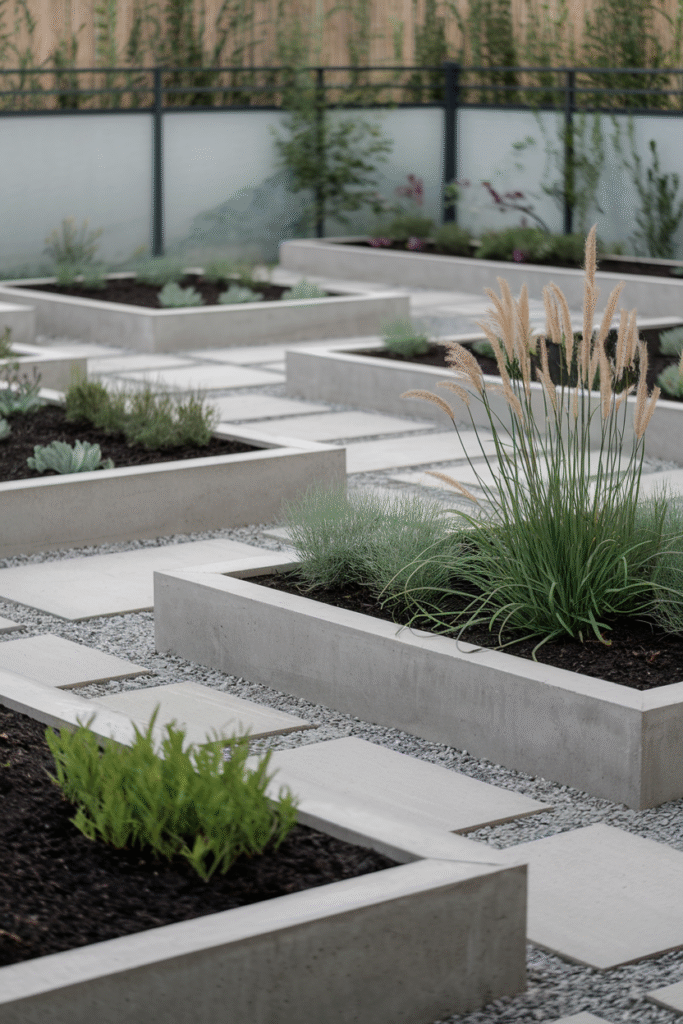
Concrete blocks or poured concrete create an extremely durable, low-maintenance raised bed wall that handles weather and soil pressure better than almost any other material.
This works especially well for a larger raised bed, where the structural demands on the edging material are greater.

Reclaimed and Upcycled Materials
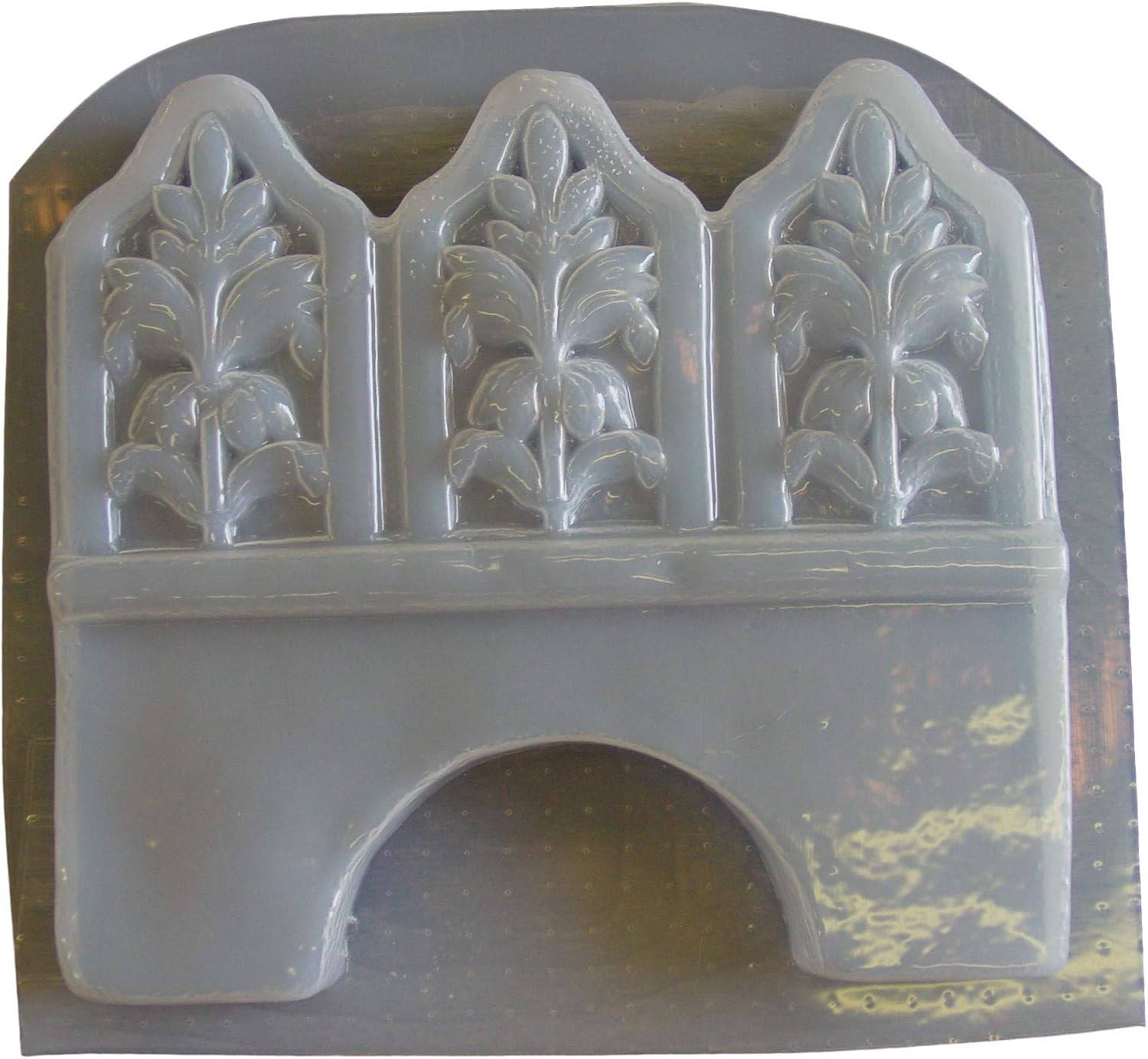
Old bricks, reclaimed wood, or repurposed metal all bring genuine character while keeping the project both budget-friendly and more sustainable.
This option requires more hunting and planning than buying new material, but it often produces the most visually interesting result on this entire list.

Living Edging With Plants
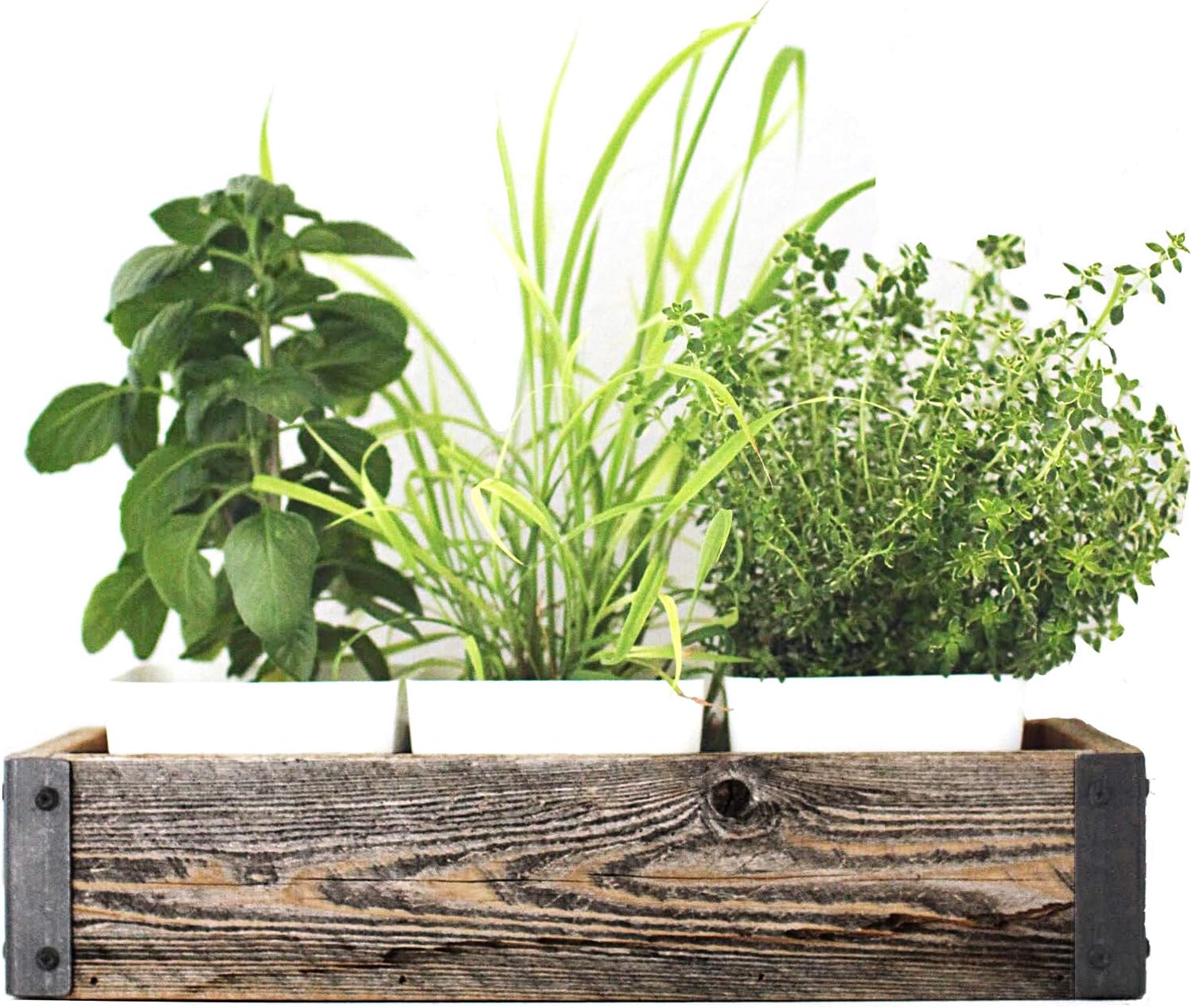
A border of low-growing plants around the raised bed's base softens its structural lines and adds a layer of greenery hard materials can't provide.
This works best as a complement to a hard-material wall, rather than as the bed's actual structural edge.


What Works Best for a Vegetable Garden
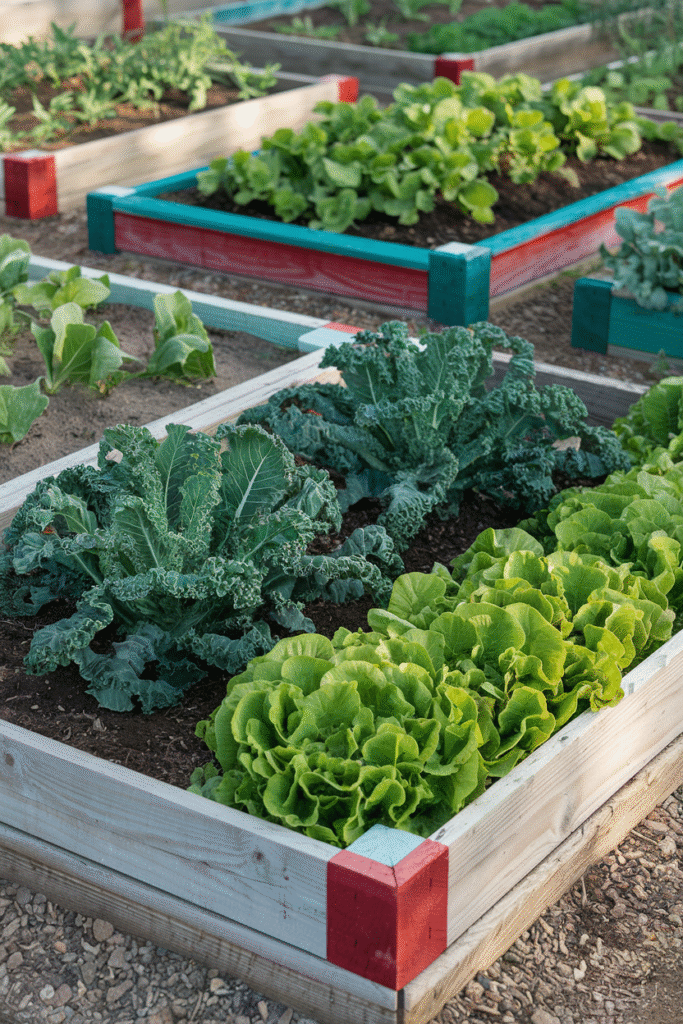
Untreated, food-safe wood or a non-reactive material like stone matters more for a vegetable bed specifically, since edible plants are growing in direct contact with the material.
This is worth checking carefully before choosing a material for any bed that will actually grow food.


Making the Edging Last Longer
A protective sealant on wood, regular rust checks on metal, and proper drainage behind stone or concrete all extend whichever material gets chosen well past its default lifespan.
This maintenance matters more for a raised bed than ground-level edging, given the material's constant exposure to damp soil on one side.


Choosing What's Right for the Garden
Budget, how long the bed needs to last, and whether it's growing food all weigh into the decision more heavily here than for a simple border edge.
Matching the material to the home's existing hardscaping also helps the raised bed feel like part of the yard's design, not a separate add-on.
Make Your Garden Beds Pop
None of these materials is universally correct for every raised bed.
Weigh durability, budget and whether the bed is growing food, then choose accordingly — the right material turns a simple soil container into a genuine garden feature.