
The week after Christmas comes down, a home can feel oddly empty.
All that red, green and sparkle leaves, and what's left underneath often hasn't been styled in weeks.
The fix isn't redecorating from scratch. It's a deliberate transition — what comes down first, what gets swapped, what quietly stays.
These 20 ideas are organized around that process, not just a static winter mood board.


Why the House Feels Empty in January
Christmas decor does a lot of visual work — lights, garland, ornaments all add color and texture to nearly every surface.
Once it's packed away, a room can look bare even if nothing structural actually changed.
The goal of a winter transition isn't replacing all of that volume. It's choosing a smaller set of pieces that still carry the room through the cold months.


What Makes Winter Decor Different From Christmas Decor
Christmas decor leans bright, festive and temporary by design.
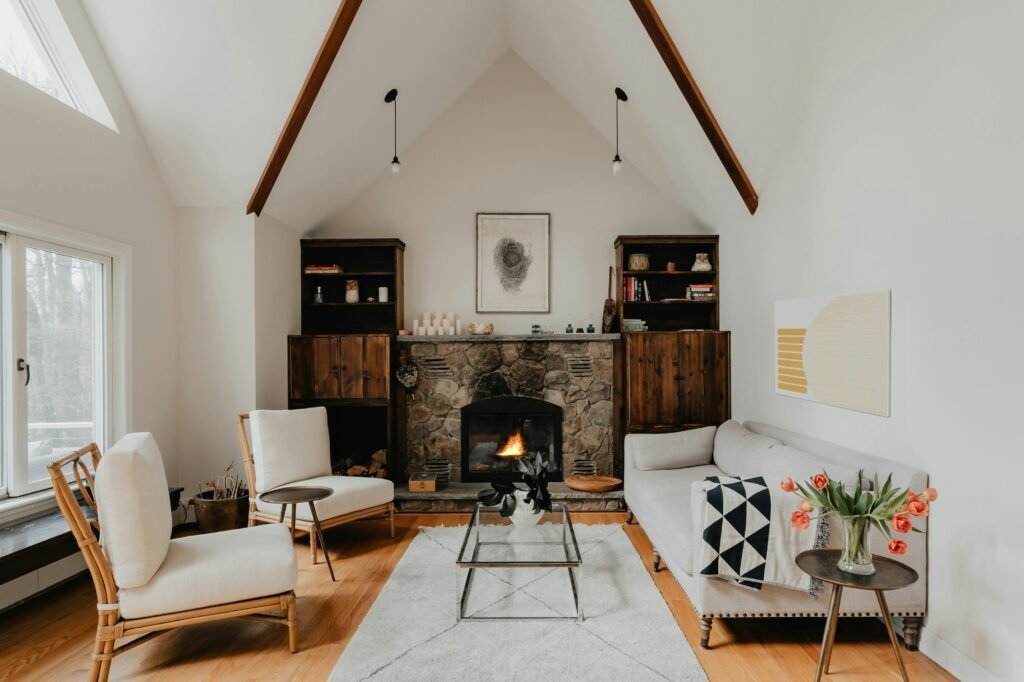
Winter decor works year after year and should feel more like the home's actual style, not a seasonal costume.
Texture and warmth carry winter decor, rather than color and sparkle.
That's the real shift: from festive and loud to warm and quiet.

A Simple Transition Order
Take down anything explicitly Christmas-coded first — ornaments, red and green accents, holiday-specific signage.
Next, assess what's left: furniture, rugs, lighting, art that can stay year-round.
Then layer in the winter-specific pieces from the list below, one or two at a time rather than all at once.
This keeps the refresh from feeling like starting over completely.


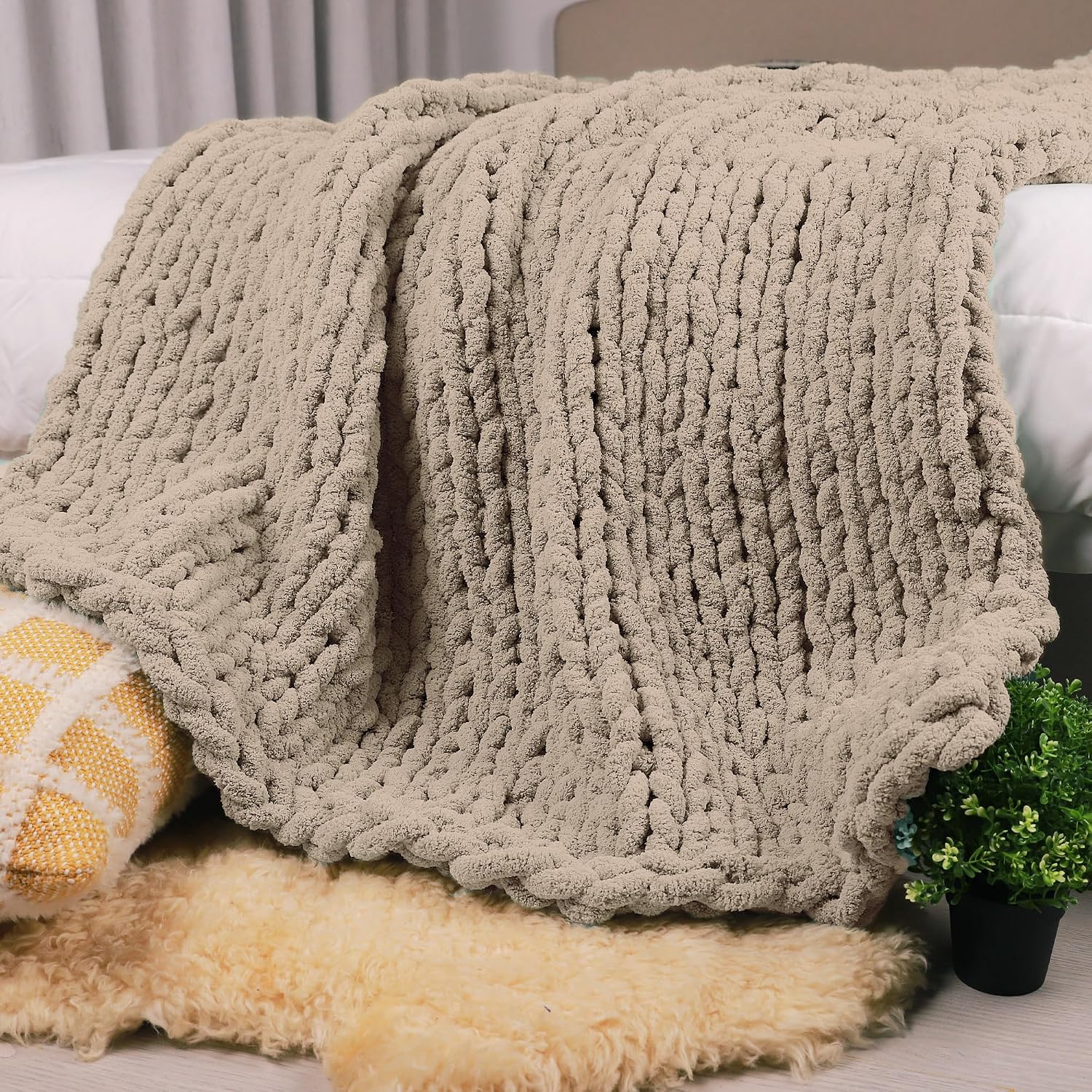
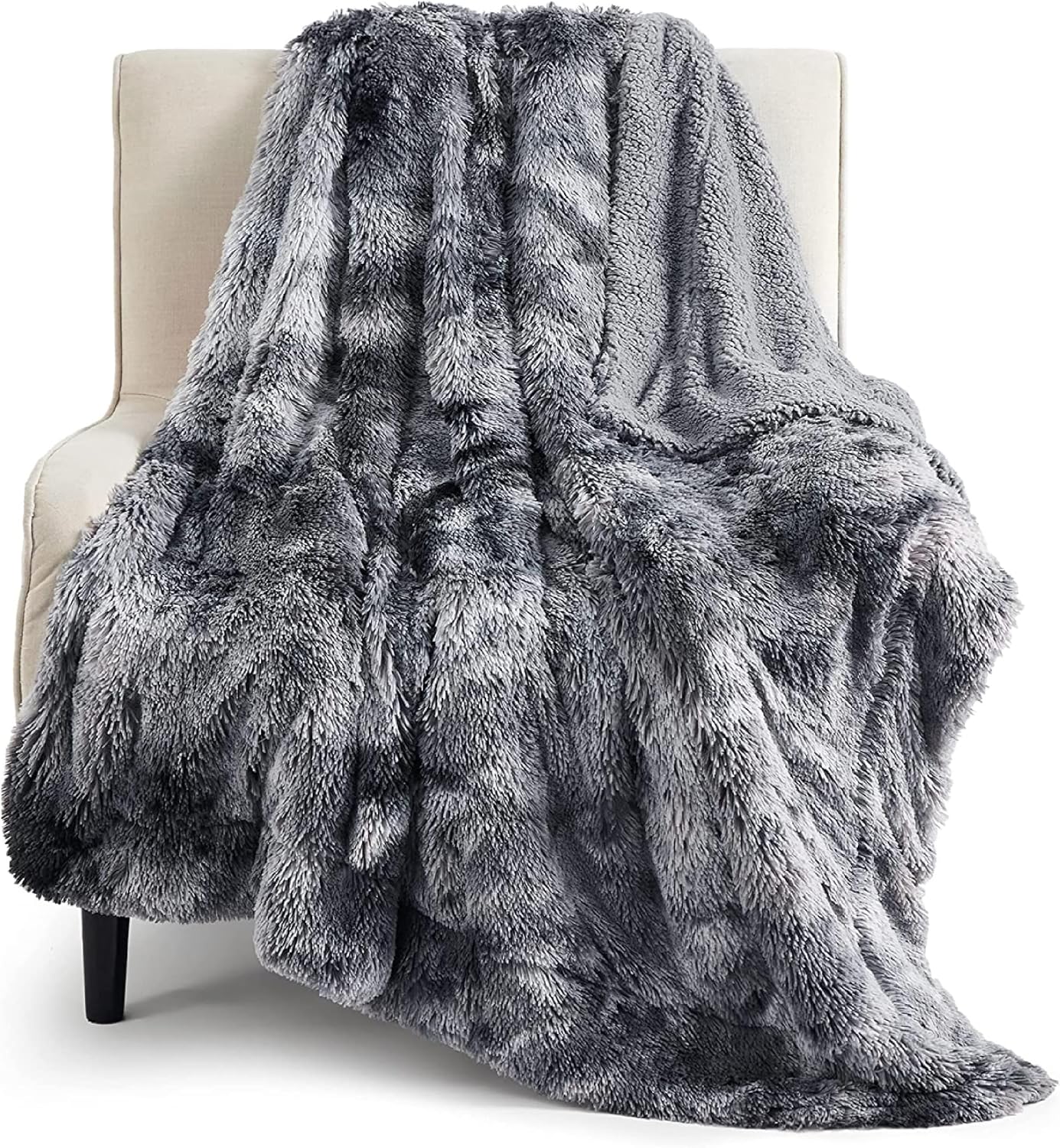
1. Layer in Cozy Throw Blankets
This is usually the first and easiest winter piece to add back in.
Mixing knit, fleece and faux fur textures adds warmth without adding color.
Cream, taupe and charcoal tones keep it calm rather than festive.
A simple swap that instantly signals the room has moved on from the holidays.


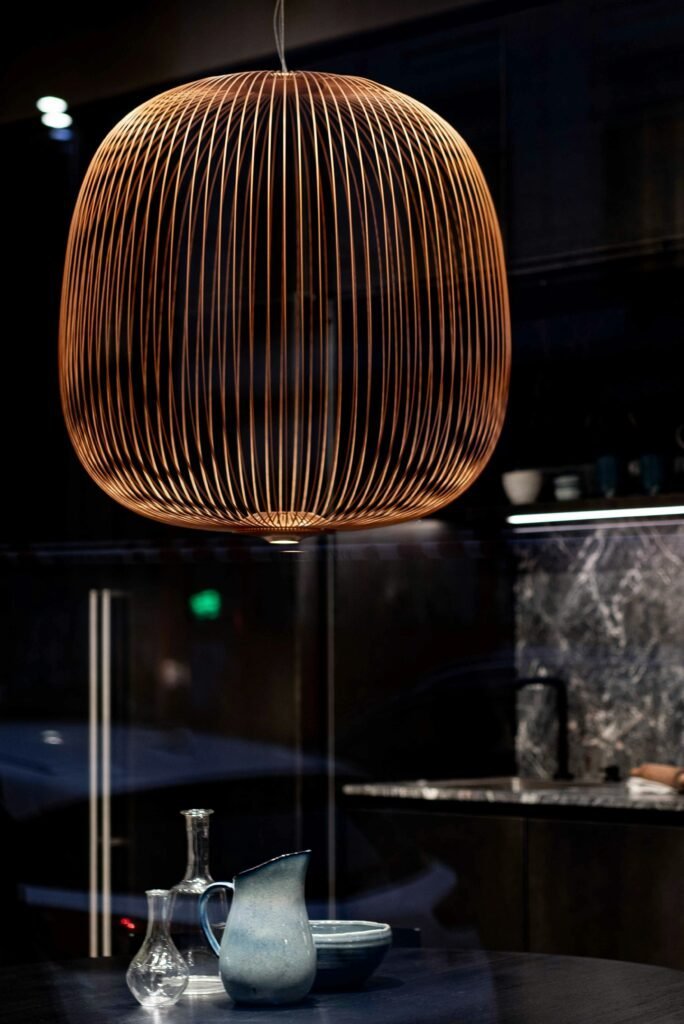
2. Swap to Warm Ambient Lighting
String lights and holiday-specific fixtures come down with the rest of the decorations.
A warm-toned lamp in a darker corner replaces that light without the festive association.
This matters more in winter than any other season, given how early it gets dark.
Warm light does more for a room's mood in January than almost anything else on this list.


3. Keep Some Evergreen, Lose the Rest
Not every piece of greenery needs to go when the ornaments come down.
A simple pine or eucalyptus arrangement, stripped of any ribbon or holiday attachment, reads as winter rather than Christmas.
Anything with obvious holiday styling attached should go first.
This is a good example of editing rather than replacing entirely.


4. Swap Bright Colors for Earthy Neutrals
Red and green give way to cream, camel, charcoal and warm brown.
This doesn't require repainting — it's mostly about swapping smaller accent pieces like pillows and throws.
Earthy neutrals read as timeless rather than seasonal, which is the whole point of a winter palette versus a holiday one.
This shift alone does a lot to make a space feel post-holiday rather than mid-holiday.


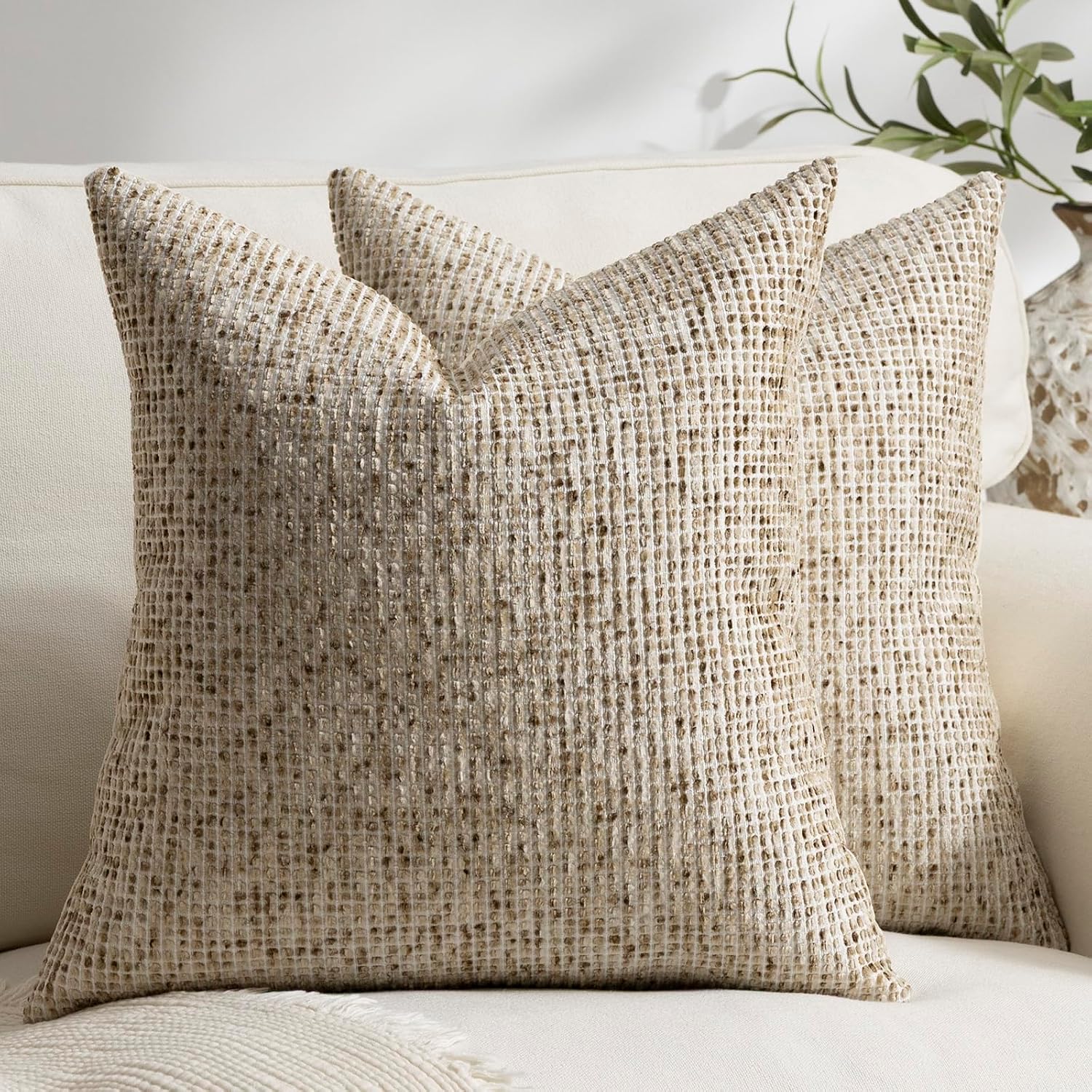
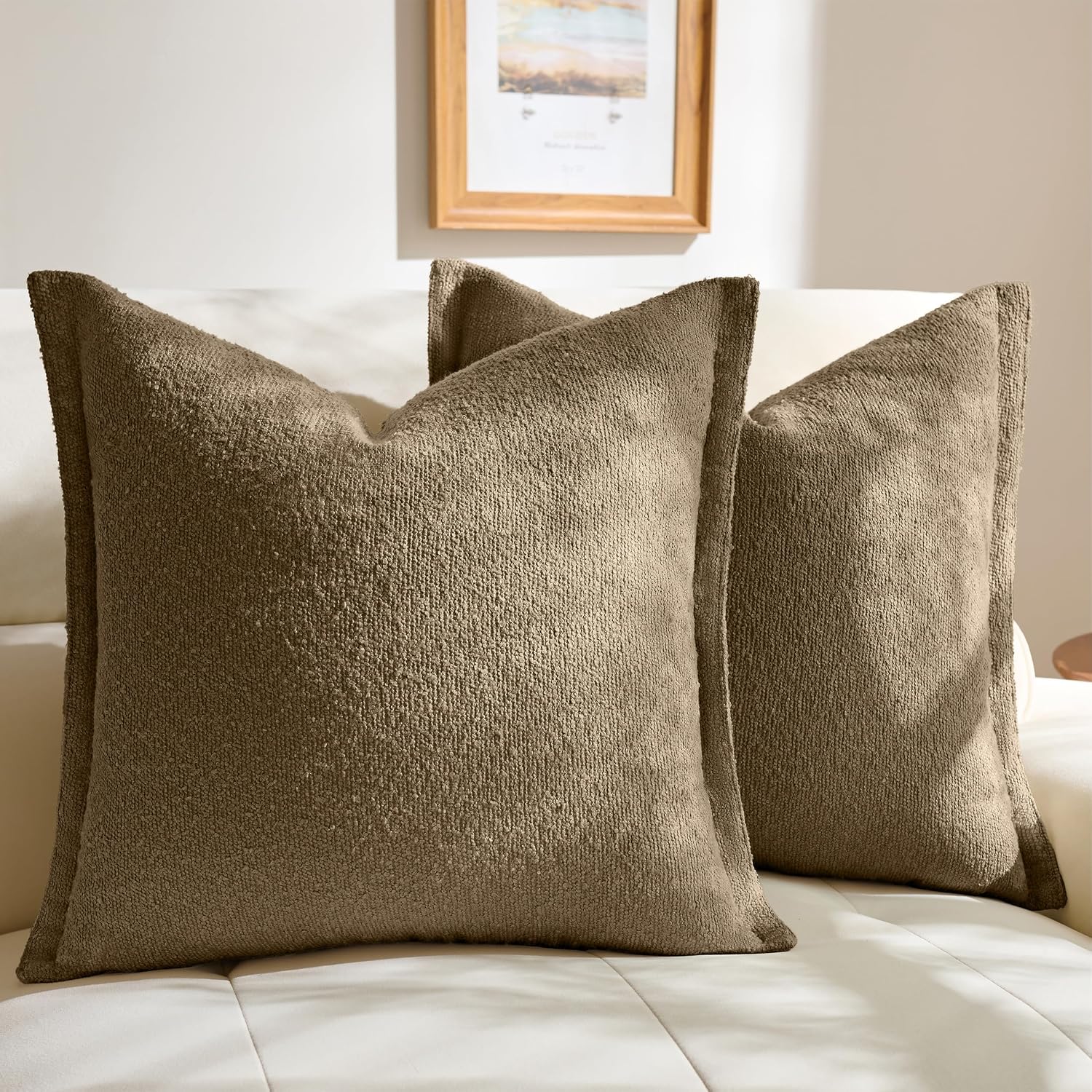
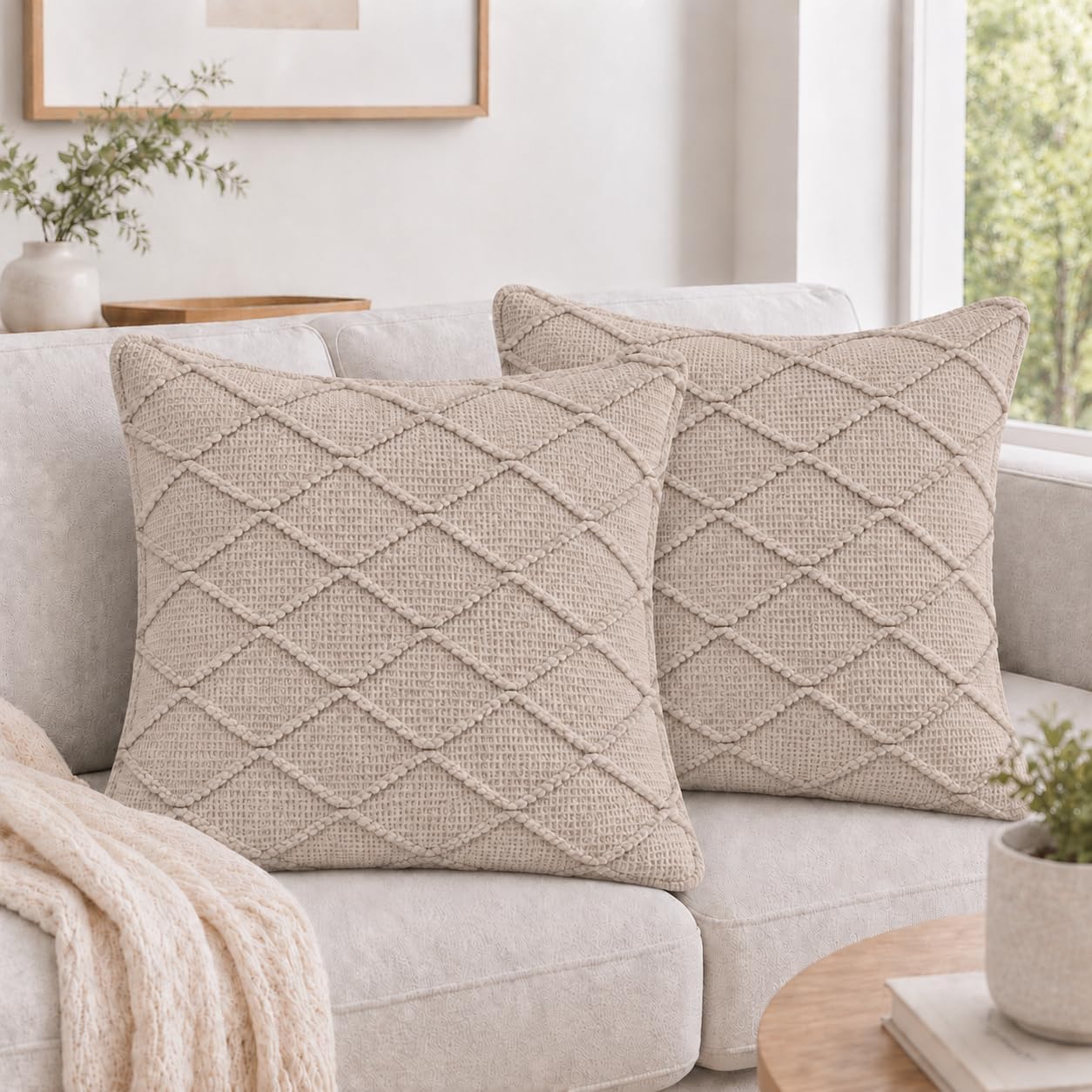
5. Add Oversized Pillows
Larger, softer pillows on a sofa or bed add volume that replaces some of what came down with the holiday decor.
Neutral tones keep them from reading as festive.
This is a quick, low-cost way to fill visual space that suddenly feels empty.
A sofa with the right pillow mix can carry most of a room's winter mood on its own.



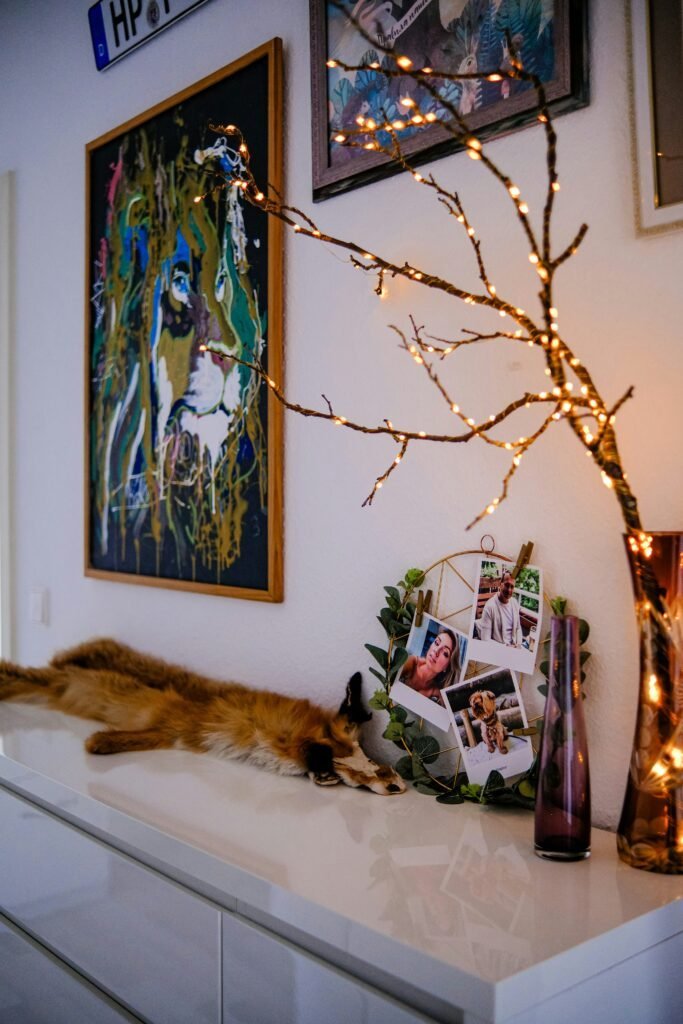
6. Display Winter-Themed Artwork
Swapping a holiday-specific print for something more generally wintery — a snowy landscape, an abstract piece in cool tones — keeps the wall relevant past New Year's.
This can be as simple as rotating in a different print already owned.
Art is one of the easiest things to change seasonally without touching furniture at all.
It's also one of the first things guests notice walking in.


7. Add a Soft, Textured Rug
A textured rug underfoot adds warmth in a very literal, physical way during the colder months.
This is a bigger investment than most ideas on this list, but it's not seasonal — it works year-round.
Layering a smaller textured rug over an existing one is a cheaper option if a full replacement isn't in the budget.
Texture underfoot does as much for a room's feel as anything visible on the walls.


8. Bring In Wood Accents
Natural wood — a tray, a stool, a bowl — adds warmth that survives well past the holidays.
This works especially well replacing a Christmas-specific wood piece, like an ornament display stand.
Wood tones pair naturally with the earthy neutral palette shift above.
A small, low-cost addition with real staying power.



9. Replace Holiday Centerpieces With Winter Florals
A poinsettia or holiday arrangement swaps easily for a more neutral winter floral — dried stems, pampas grass, a simple evergreen bundle.
This keeps the table from sitting empty once the holiday centerpiece comes down.
Dried arrangements in particular last the whole season without maintenance.
A direct, one-to-one swap that takes minutes.



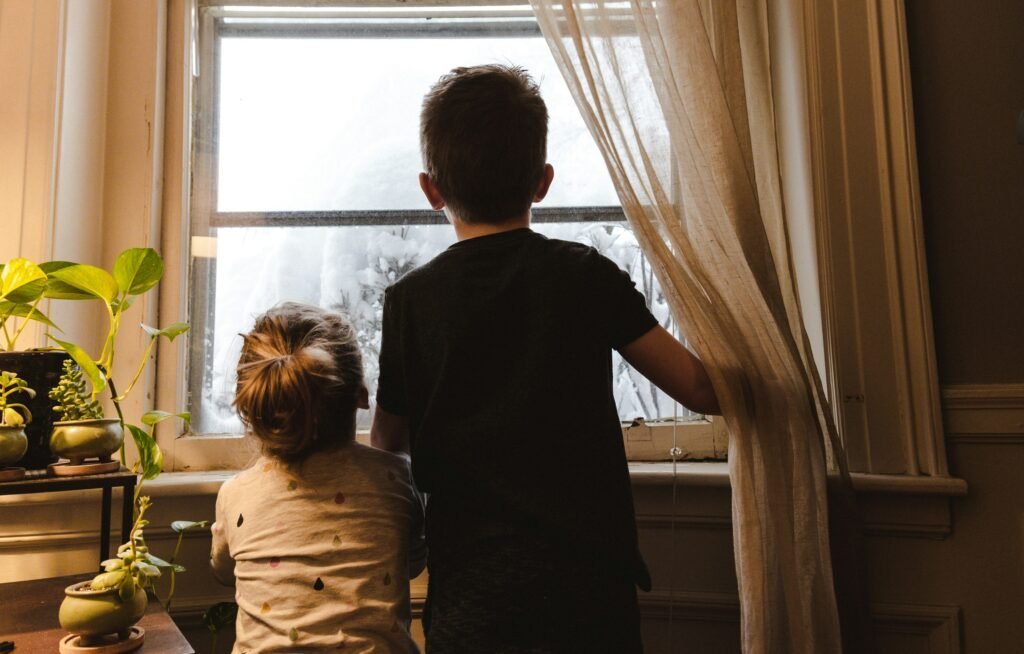
10. Add Soft Curtains or Drapes
Heavier, softer curtain fabric adds both warmth and a sense of coziness to a room in winter.
This is a bigger project than most ideas on this list, involving an actual curtain swap.
It also helps with insulation in older homes, which is a practical bonus on top of the look.
Worth prioritizing in whichever room gets used most during the colder months.


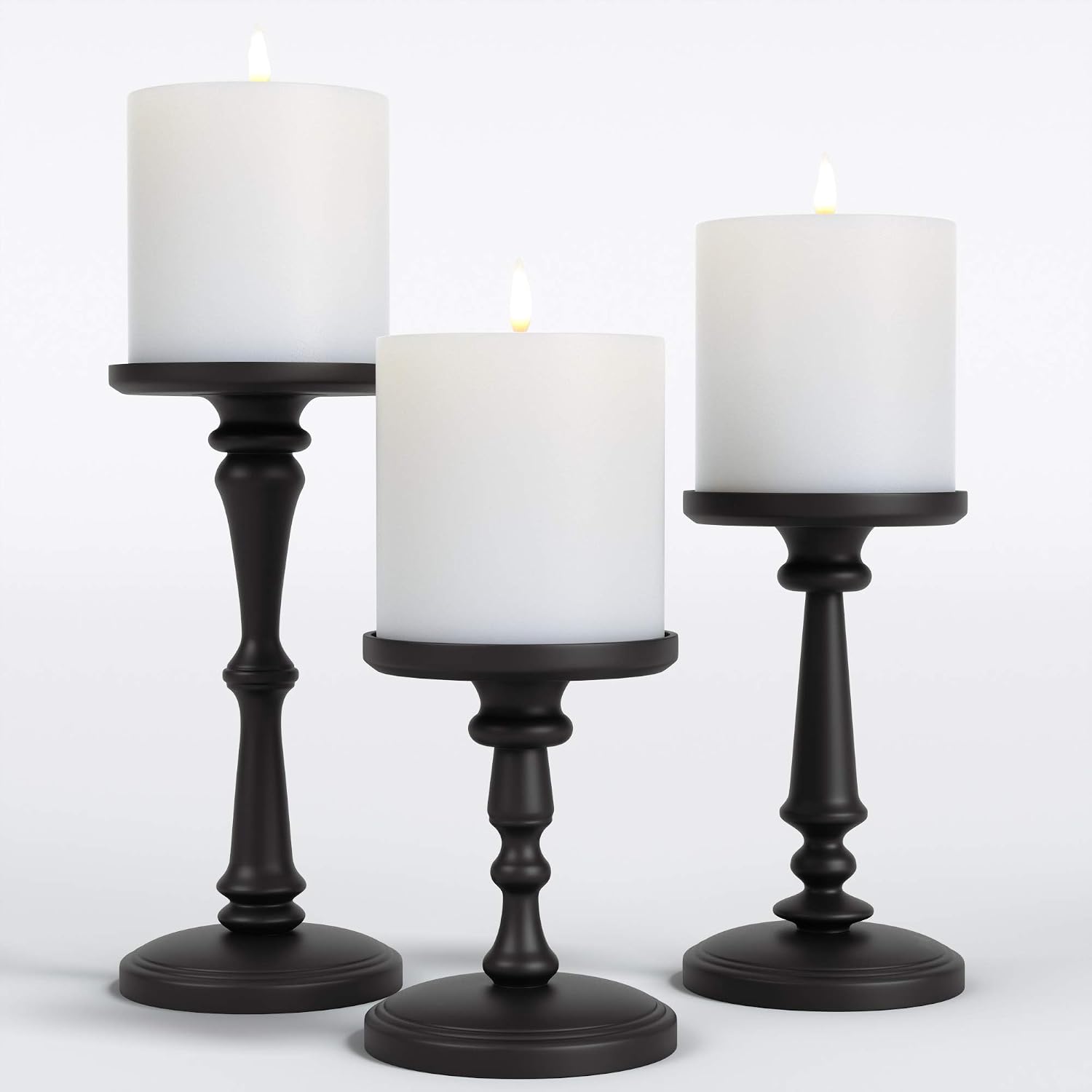
11. Use Scented Candles Strategically
Swapping a holiday-scented candle (pine, peppermint) for something more generally wintery (cedar, vanilla, amber) shifts the whole sensory feel of a room.
This is one of the cheapest changes on the entire list.
Placement matters as much as scent choice — an entryway candle creates a first impression every time someone walks in.
A small, low-effort swap with real impact on how a room feels.


12. Bring In Natural Woven Baskets
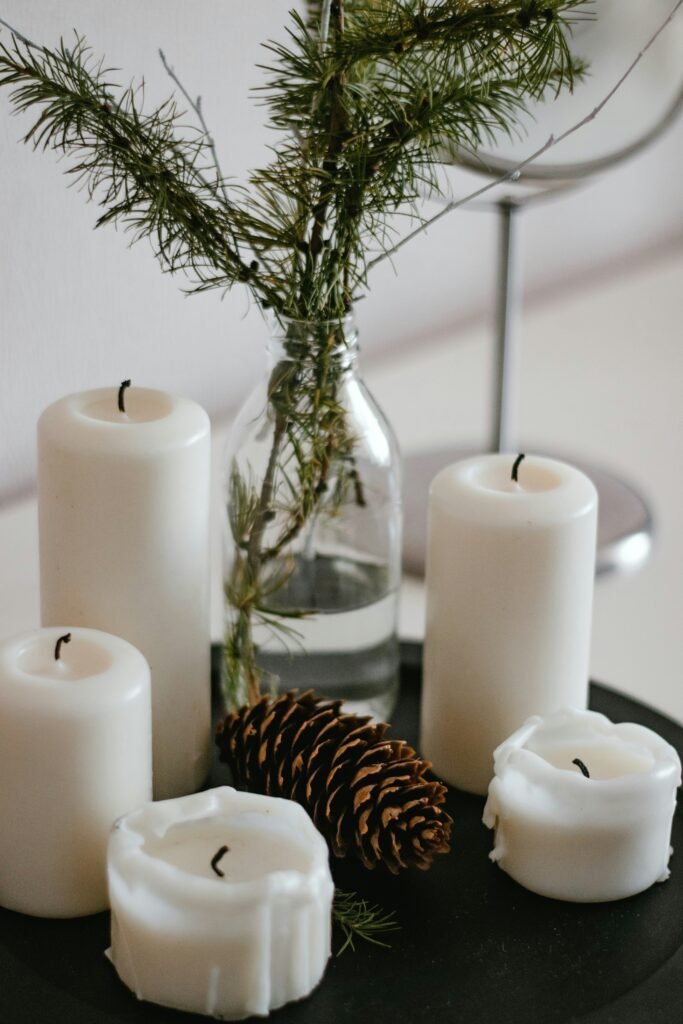
A woven basket replaces a Christmas gift-wrap station or ornament storage with something textural and useful year-round.
This works for blankets, firewood, or general living room storage.
Natural materials like rattan and seagrass pair well with the earthy palette already in play.
A functional piece that also does real styling work.
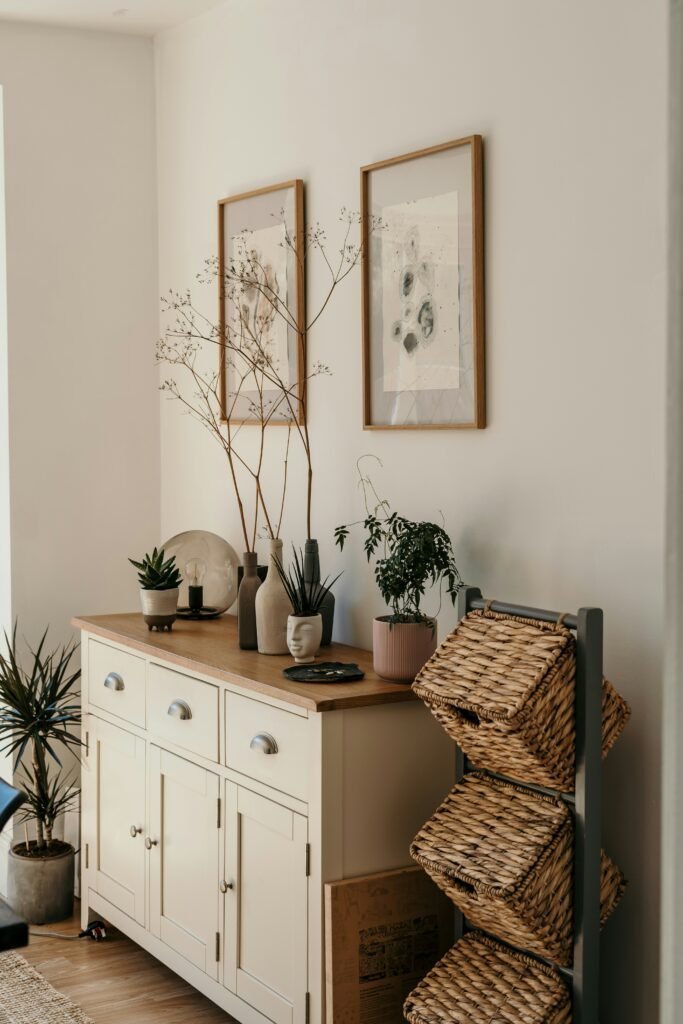


13. Refresh the Coffee Table
A coffee table loaded with holiday books and ornaments needs a reset once the season changes.
A tray, a candle, and one or two neutral objects is usually enough.
This is one of the fastest visual resets in the whole home, since it's one small surface.
Worth doing early in the transition, since it's one of the most-seen surfaces in the house.


14. Style the Entryway for Winter
An entryway often carries the heaviest holiday decor load, since it's the first thing guests see.
Swapping a holiday wreath for a simple winter one, and adding a neutral runner or mat, resets the first impression fast.
This is a small space, so changes here are quick and low-cost.
Worth prioritizing early, since it sets the tone for the whole home transition.


15. Layer Winter Bedding
Flannel sheets, a heavier duvet, and a few extra throw pillows make the bedroom feel as seasonally appropriate as the living room.
This is one of the few ideas on this list that's purely about comfort rather than visible styling.
Bedrooms often get overlooked in a seasonal refresh, even though they're used daily.
Worth including specifically because it's so easy to forget.



16. Add Ceramic or Stone Decor
A ceramic vase or stone object adds weight and texture that reads as permanent rather than seasonal.
This works well replacing a lighter, more festive decorative object that came down with the holidays.
Stone and ceramic both photograph well under the warmer lighting already discussed above.
A small, durable addition that doesn't need to be swapped out again come spring.
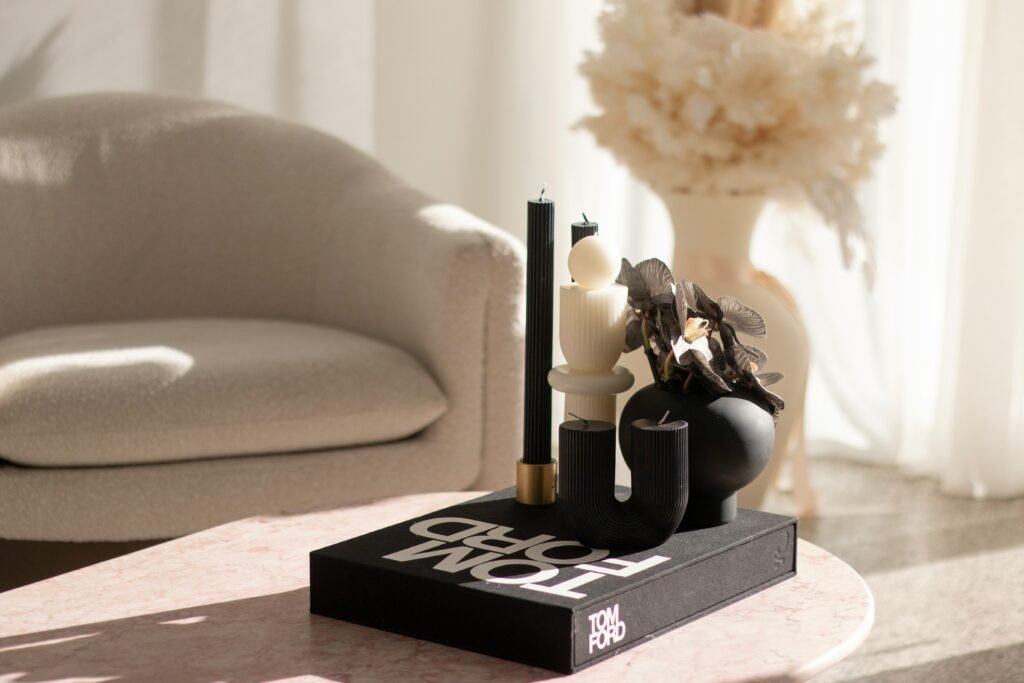


17. Set Up a Warm Beverage Station
A small station for hot chocolate, tea or coffee gives winter a functional, daily touchpoint beyond just decor.
This can be as simple as a tray with a kettle and a few mugs on a counter.
It also doubles as a genuinely useful addition, not just a styling choice.
A nice way to make the post-holiday slowdown feel a little more intentional.



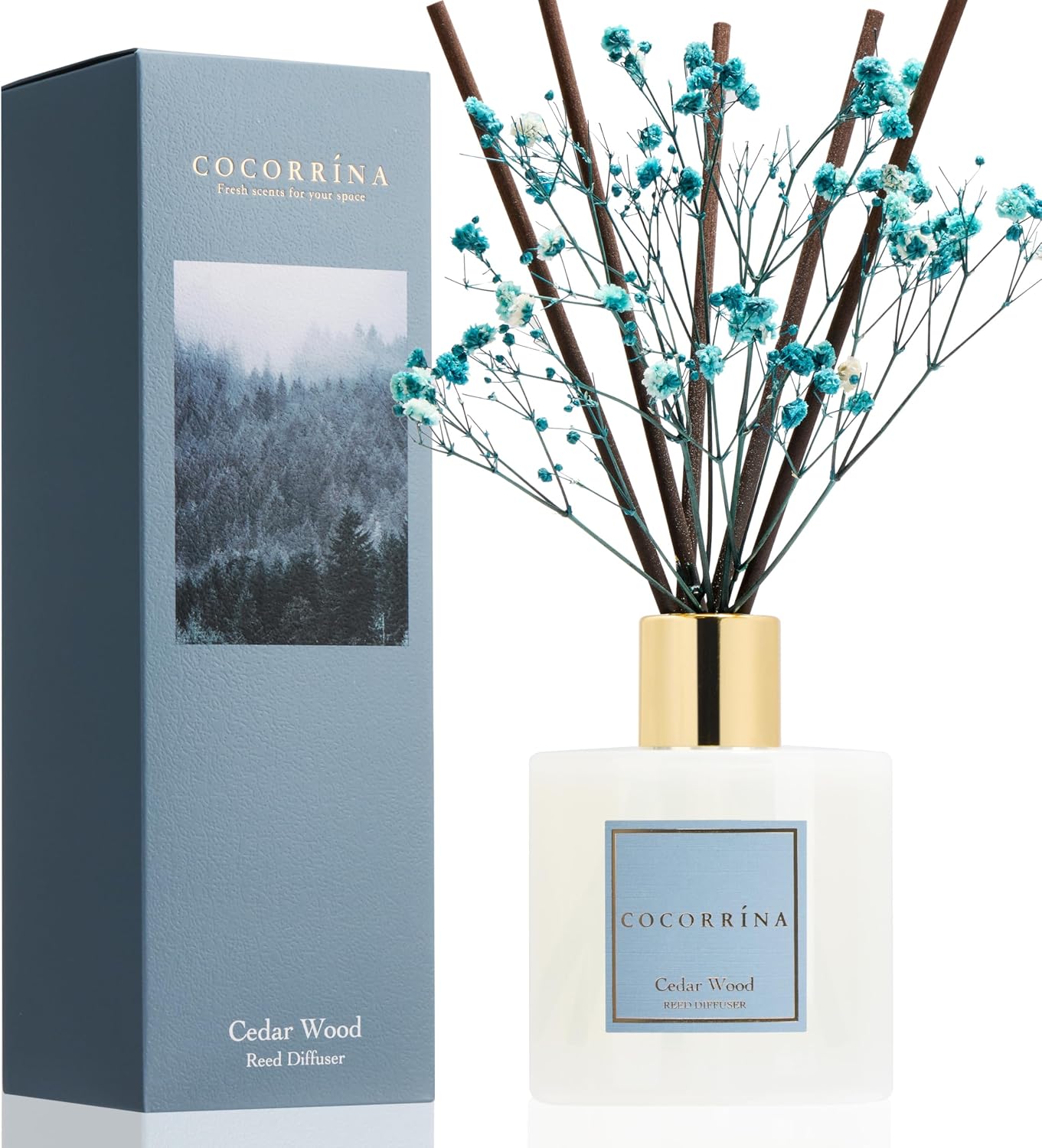
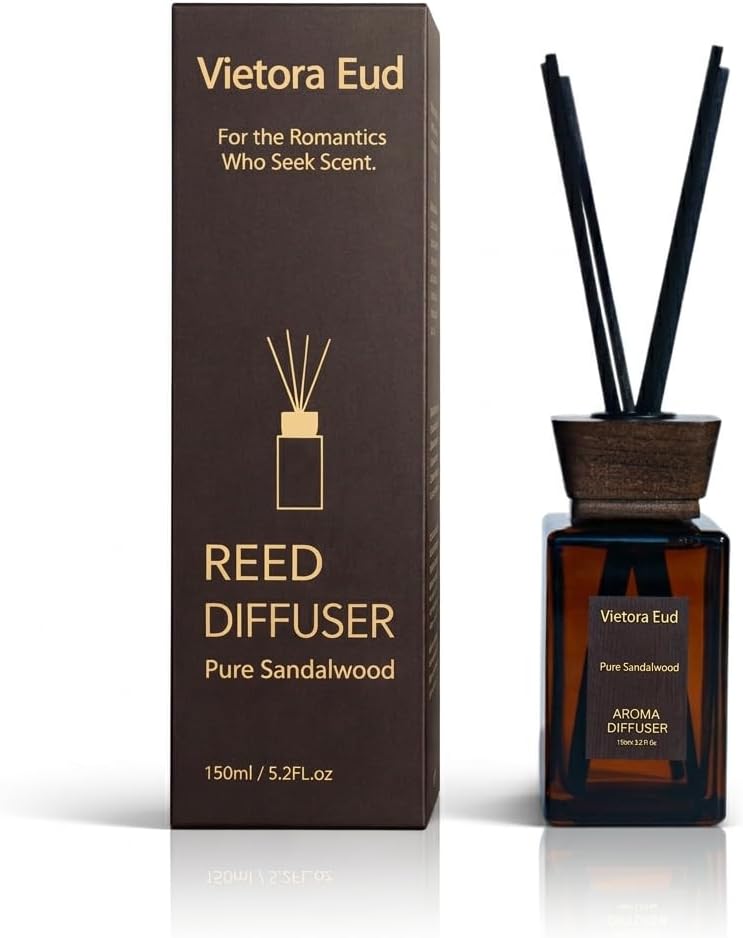
18. Add Winter Scents With Diffusers
A reed diffuser works alongside the candle idea above for scent that doesn't require a flame.
This suits a room that needs constant subtle scent rather than an occasional burst.
Cedar, sandalwood and amber all read as warm without leaning festive.
A low-maintenance way to keep the sensory side of winter decor consistent.
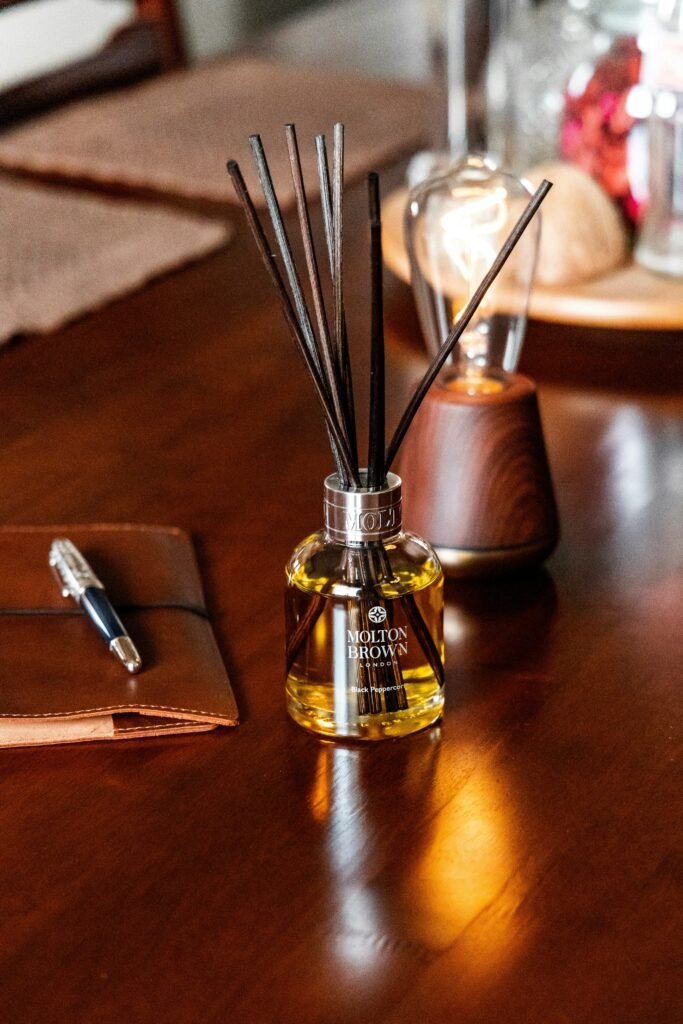
19. Display Cozy Knit Decor
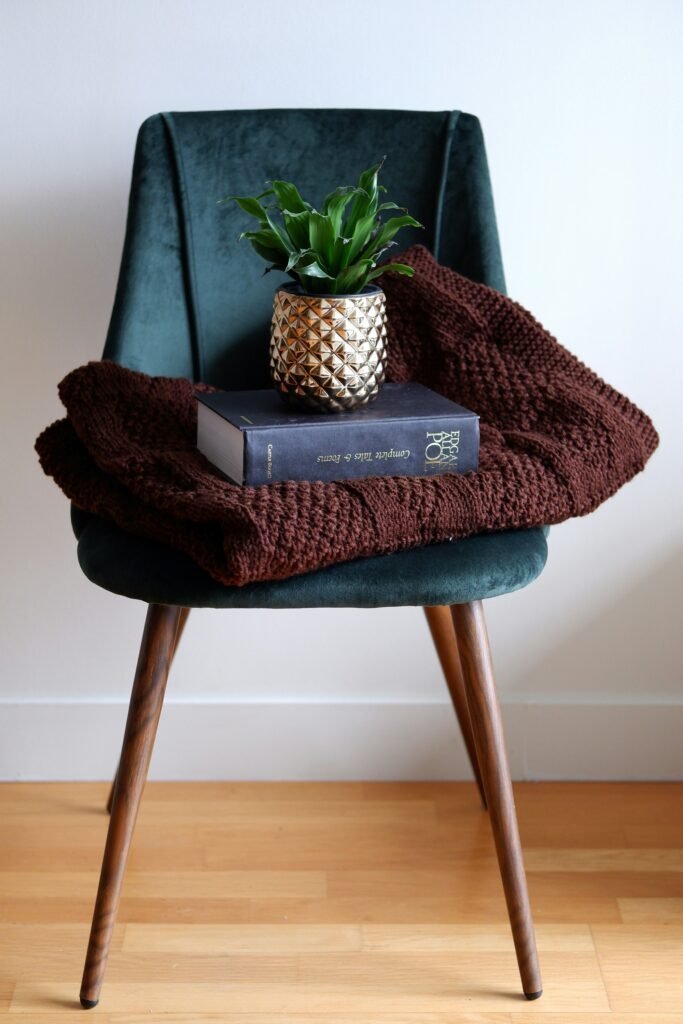
A knit throw pillow cover, a chunky knit basket liner, or a woven wall hanging all extend the same texture language as the throw blankets above.
This works well in smaller doses spread around the home rather than concentrated in one room.
Knit texture reads as warm and tactile even in a photograph.
An easy way to round out the winter palette without much additional cost.

20. Keep the Mantel Simple
A mantel loaded with stockings and garland needs the biggest reset of any surface in the home.
A few candles, a bit of greenery, and one or two neutral objects is enough once the holiday pieces come down.
This is often the last thing people get around to, which is exactly why it's worth prioritizing.
A simple, uncluttered mantel reads as more intentional than an empty or overcrowded one.


Final Thoughts
A home doesn't need to look like Christmas never happened, and it doesn't need a full redecorate either.
Take down what's explicitly holiday, keep what still works, and layer in texture and warmth where the room feels bare.
Done gradually, this transition takes an afternoon or two, not a full weekend.
Start with whichever room gets used most daily, and work outward from there.