
A paver patio's material choice does more to set its character than any furniture or decor placed on top of it.
Brick, concrete, natural stone and flagstone all read completely differently, even in the exact same backyard layout.
These 10 ideas cover both the material options and a few layout variations worth considering once a material is chosen.


1. Brick for Classic Charm
Brick pavers bring a warm, traditional look that pairs naturally with almost any home style, from colonial to modern farmhouse.
This material tends to age well, developing a slightly weathered character over time rather than looking dated.
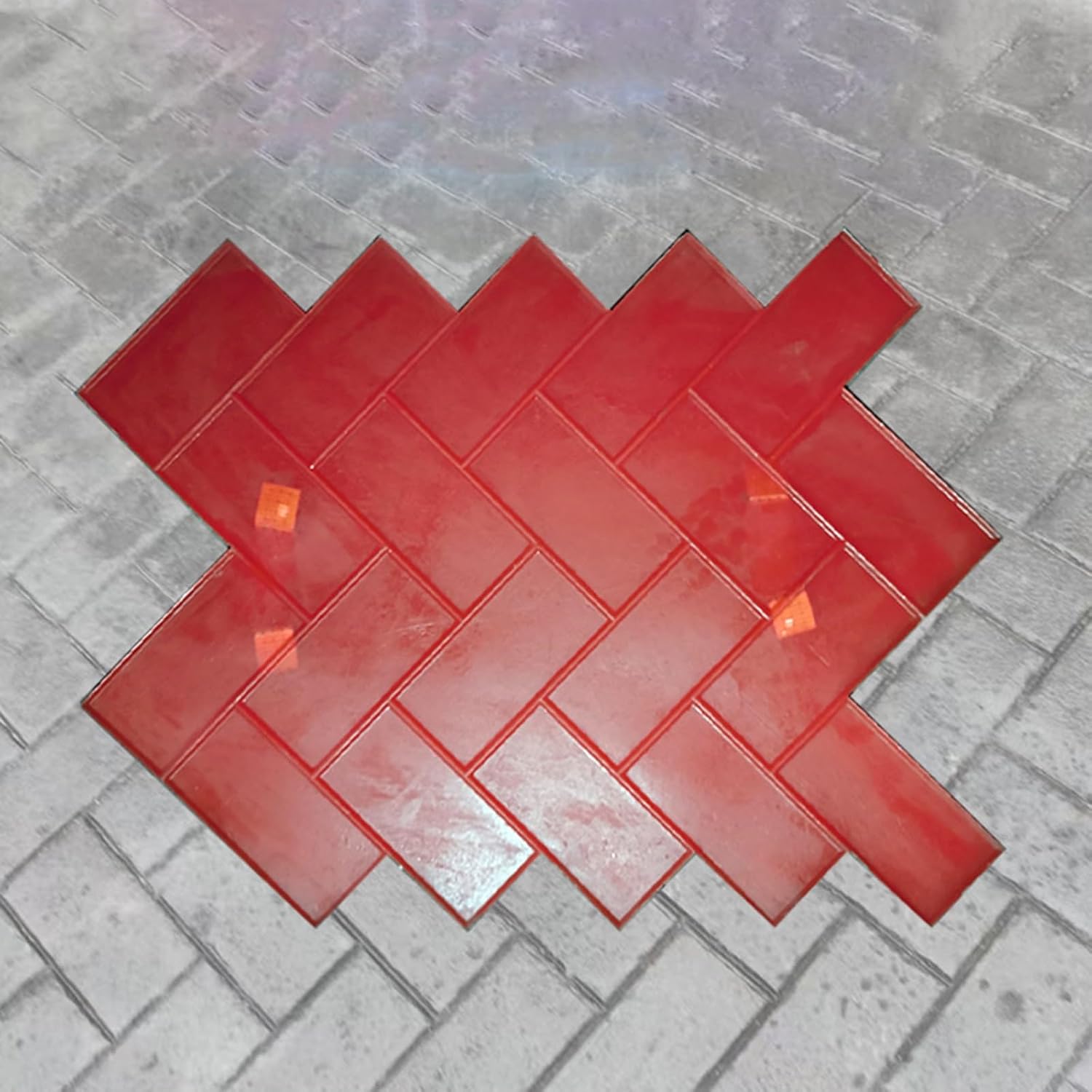
A herringbone or basket-weave pattern adds visual interest without needing a different material at all.

2. Concrete Pavers for a Modern Look
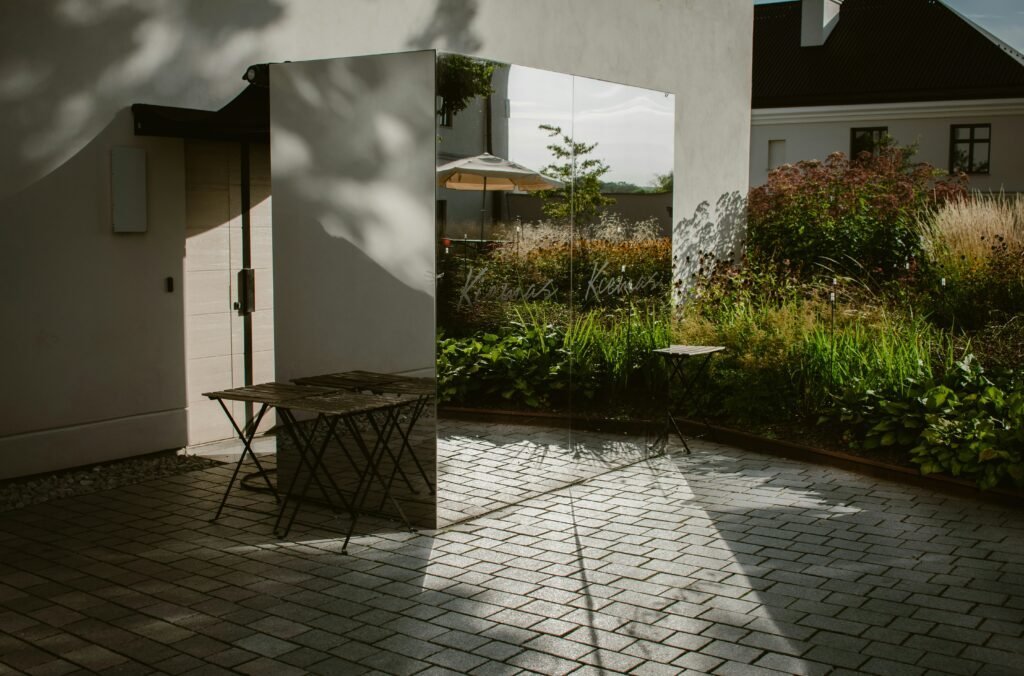
Clean-edged concrete pavers in a consistent gray or neutral tone give a patio a distinctly modern, minimal feel.
This is also one of the more budget-friendly paver materials, which makes it a practical choice for a larger patio area.
A simple grid layout reinforces the modern look better than an elaborate pattern would here.


3. Cobblestone for a Storybook Feel
Cobblestone's rounded, irregular shape brings an old-world, storybook character that flat pavers simply can't replicate.
This works especially well in a cottage, European-inspired, or garden-forward backyard style.
The uneven surface is part of the charm, though it's worth considering for anyone who needs a perfectly flat walking surface.


4. Natural Stone for an Elegant Finish
Natural stone — bluestone, travertine, slate — brings a genuinely elevated, high-end look that manufactured pavers can't fully match.
Each piece has natural color and texture variation, which gives the finished patio a one-of-a-kind quality.
This is typically a higher-cost material, but one that tends to increase a home's overall outdoor value.


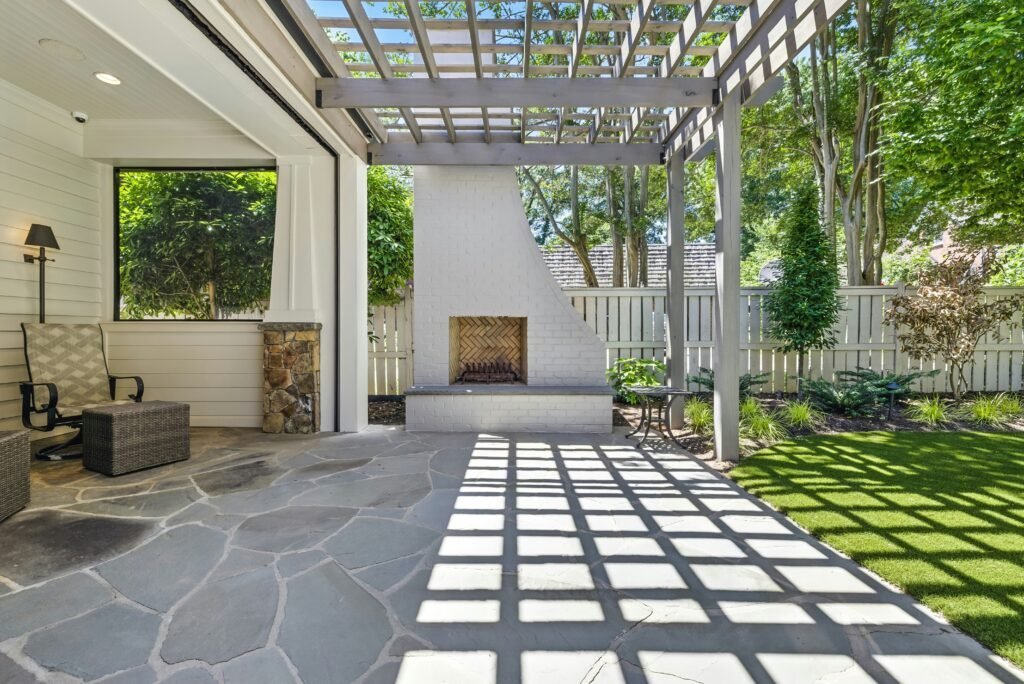
5. Flagstone for Organic, Irregular Shapes
Flagstone's irregular, puzzle-piece shapes create a more organic, less rigid look than uniform rectangular pavers.
This pairs especially well with a garden-adjacent patio, where the irregular edges can blend naturally into surrounding plantings.
Fitting the pieces together takes more planning during installation, but the payoff is a genuinely unique surface.


Arcadia Garden Products Fiberclay Stepping Stone Pavers, 16 x 17 Inch, Dark Gray, Set of 4
Shop on Amazon
6. Mixed Materials for a Custom Look
Combining two materials — brick borders with a concrete field, or stone accents within a paver grid — creates a genuinely custom look no single material can achieve alone.
This works well for defining different zones within one larger patio, like a dining area versus a lounge area.
Worth planning carefully before installation, since mixing materials after the fact is a much bigger project.


7. Patterns and Designs Within One Material
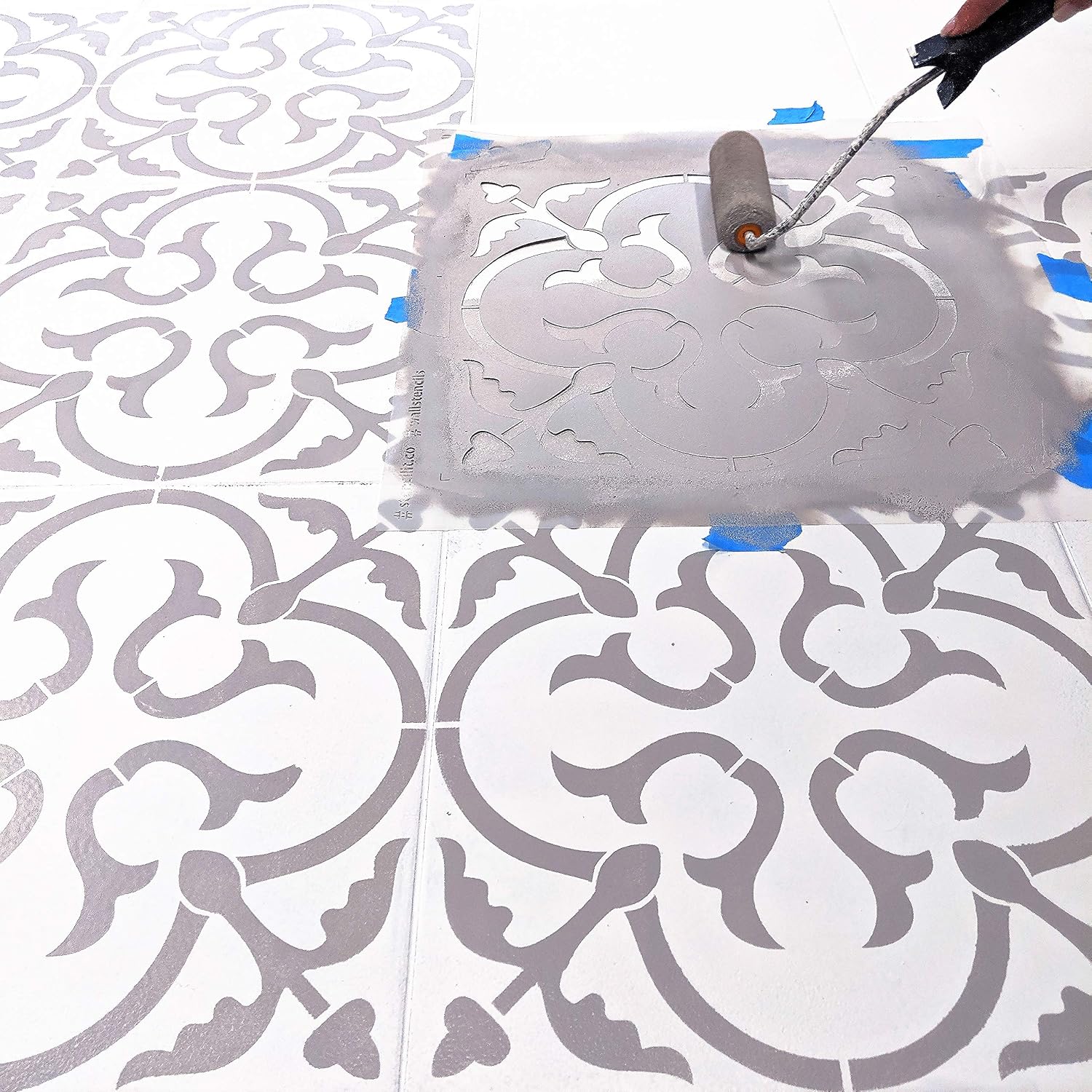
Even a single paver material can look completely different depending on the laying pattern — herringbone, basket-weave, running bond, or a circular medallion design.
This is one of the lowest-cost ways to add visual interest, since it changes the layout rather than the material itself.
A bolder pattern works well as a focal point; a simple grid tends to recede and let furniture and plants take center stage.
8. A Fire Pit Area for Year-Round Use
A dedicated paver section around a fire pit extends the patio's usefulness well into cooler months, not just peak summer.
Heat-resistant pavers matter more here than anywhere else on this list, given the direct exposure to a fire source.
This also naturally creates a defined gathering zone within a larger patio layout.


9. A Raised Section for Levels and Drama
A raised paver platform, even just a step or two up from the main patio, adds visual drama and a sense of architecture to an otherwise flat yard.
This works well for separating a dining area from a lounge area without needing a wall or fence to do it.
A more involved project than a flat patio, since it requires proper structural support underneath.


10. A Small Patio for a Cozy Corner
A paver patio doesn't need to cover the whole backyard to be worth doing — a small, defined corner patio works just as well for a smaller space or budget.
This is a genuinely doable weekend-to-weeklong project, depending on the material chosen.
A smaller footprint also makes it easier to justify a higher-end material, since less of it is needed overall.


Conclusion: Your Backyard, Your Style
None of these 10 material or layout choices is objectively correct.
The right one depends on the home's style, the budget, and how the space will actually get used — dining, lounging, or just passing through.
Whichever material gets chosen, the patio becomes the backyard's foundation for everything else that gets added later.