
Not every luxury upgrade pays itself back when it's time to sell.
Some genuinely move the needle on appraisal and buyer interest. Others are purely for the current owner's enjoyment, with little resale impact either way.
This sorts the living room upgrades that actually affect property value from the ones that don't.


Why a Luxury Living Room Is More Than Just Looks
A living room is the room most buyers form their first real impression in, which gives it outsized influence on a home's perceived value relative to its actual square footage.
This makes it one of the higher-leverage rooms to invest in carefully, rather than purely for personal taste.



Colors and Finishes: Genuinely Value-Adding
A neutral, broadly appealing palette with high-quality paint and finishes consistently shows up in appraisal and buyer-interest research as a real value driver.
This is one of the safest investments on this entire list — relatively low cost, broad appeal, and a direct effect on how move-in-ready the room feels.


Furniture: Personal Enjoyment, Not Resale Value
Furniture typically leaves with the seller, which means spending on comfort and elegance here is worth doing for daily life, not as a property-value strategy.
Staged furniture during a sale matters more for a quick sale than owned furniture ever will for appraised value.


Lighting: Genuinely Value-Adding
Layered, well-planned lighting is one of the few upgrades that shows up consistently in both buyer walkthroughs and professional appraisals as a meaningful value factor.
Built-in fixtures and proper electrical work, specifically, add more lasting value than portable lamps ever will.


Flooring: Genuinely Value-Adding
Quality flooring is one of the most consistently cited value factors in real estate appraisals, more so than almost any other single living room element.
A rug, by contrast, is furniture — nice for daily comfort, but not something an appraiser factors into the home's value.


Wall Treatments: A Mixed Bag
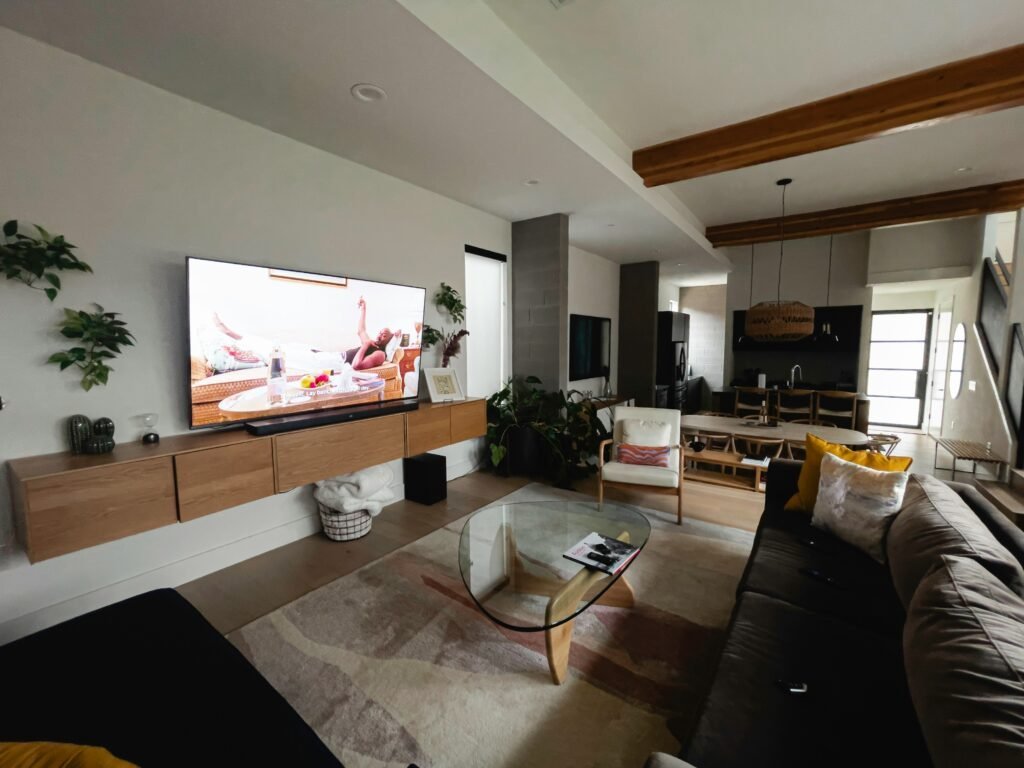
A tasteful, broadly appealing wall treatment can add value; a highly personal or bold choice can actually work against resale by narrowing the pool of buyers who like it as-is.
This is worth choosing conservatively if resale value is genuinely a priority, saving the boldest choices for a home not currently for sale.


Technology: Minimal Resale Impact
Smart home integration is appreciated by current owners daily, but it rarely moves an appraisal or a buyer's offer significantly, since tech preferences vary so much person to person.
Worth installing for personal use, not as a property-value strategy.


Statement Accessories: Personal Enjoyment, Not Resale Value
Like furniture, accessories typically leave with the seller and have essentially no bearing on appraised value.
Worth investing in freely for personal enjoyment, with no expectation of resale return.


Furniture Placement and Flow: Genuinely Value-Adding
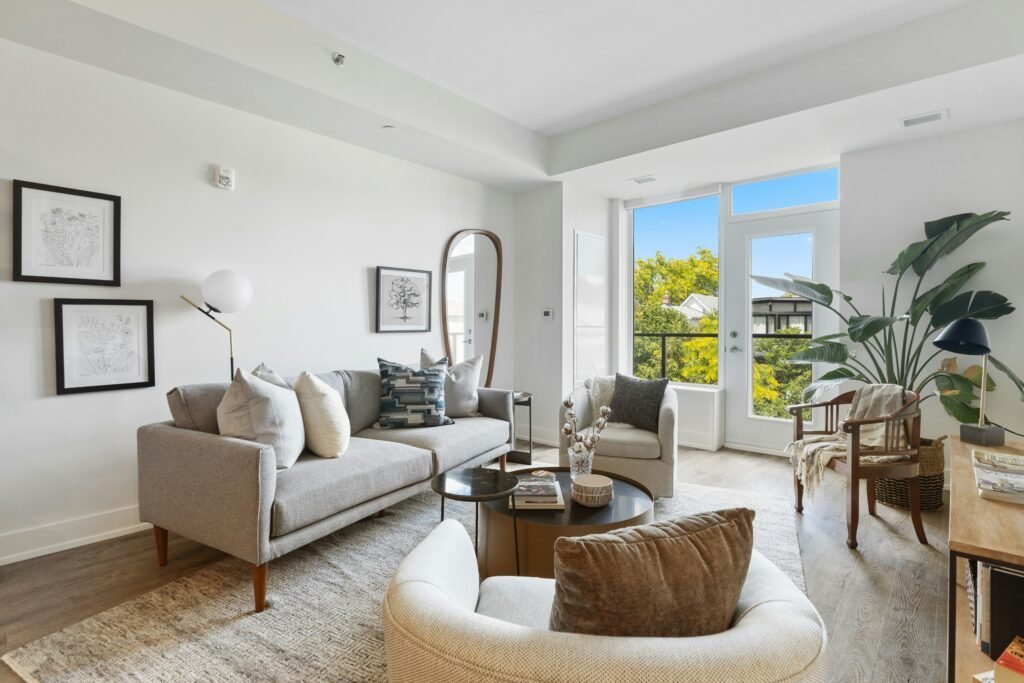
A layout that demonstrates the room's full potential and natural traffic flow genuinely affects how buyers perceive the space's size and usability.
This costs nothing beyond planning, which makes it one of the best effort-to-value ratios on this entire list.

Built-In Storage and Shelving: Genuinely Value-Adding
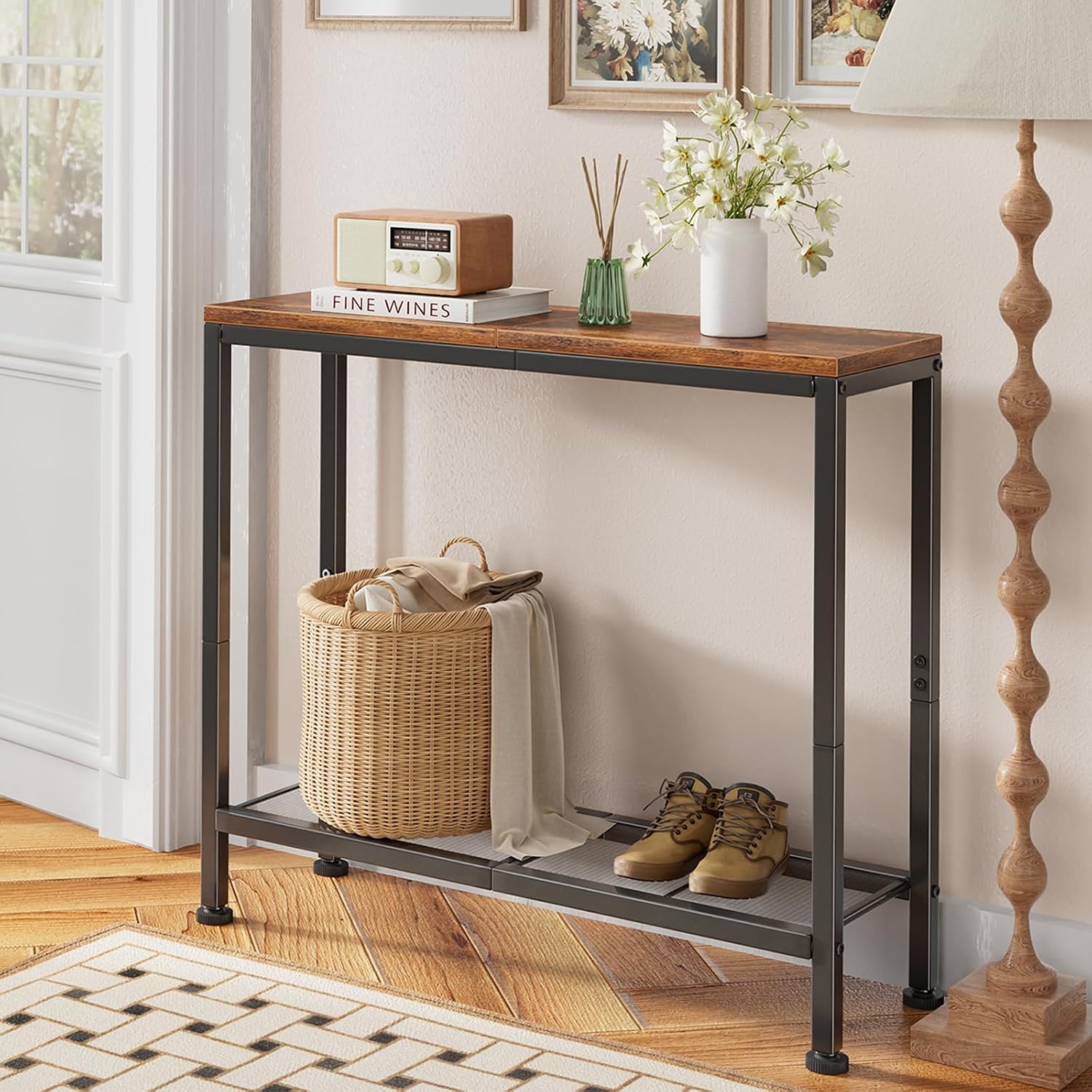
Built-ins are permanent, structural additions that stay with the home, which makes them one of the more reliably value-adding upgrades on this list.
This is a bigger investment than most other items here, but one of the few guaranteed to factor into an appraisal.


Finishing Touches: Minimal Resale Impact, High Personal Value
The smallest final details matter enormously for how a current owner experiences the room daily, but they rarely register in a formal appraisal.
Worth doing for quality of life, not as part of a resale calculation.


Bringing It All Together
Lighting, flooring, built-ins and a broadly appealing palette are the real property-value investments on this list — worth prioritizing if resale is genuinely a consideration.
Furniture, accessories, tech and the smallest finishing touches are worth every dollar for daily enjoyment, just without the expectation of a direct payback at sale.
Knowing which category a given upgrade falls into makes the whole remodel budget a lot easier to plan around.