
Japandi isn't really a color palette or a shopping list.
It's two design philosophies layered together — Japanese wabi-sabi, which finds beauty in imperfection and simplicity, and Scandinavian hygge, which prioritizes warmth and comfort.
A bathroom built on those principles looks calm almost by accident, because the principles themselves are calm.
These 10 ideas each trace back to one of those two roots.


1. Minimal, But Warm
Pure minimalism can feel cold. Japandi avoids that by pairing a restrained object count with warm materials.
A single wood stool, one ceramic dish, nothing else on the counter — the warmth comes from what's there, not how much is there.
This is the hygge half of the equation balancing the wabi-sabi instinct to strip things down.
Fewer objects, chosen carefully, beats a room with nothing in it at all.


2. Let Real Light Lead
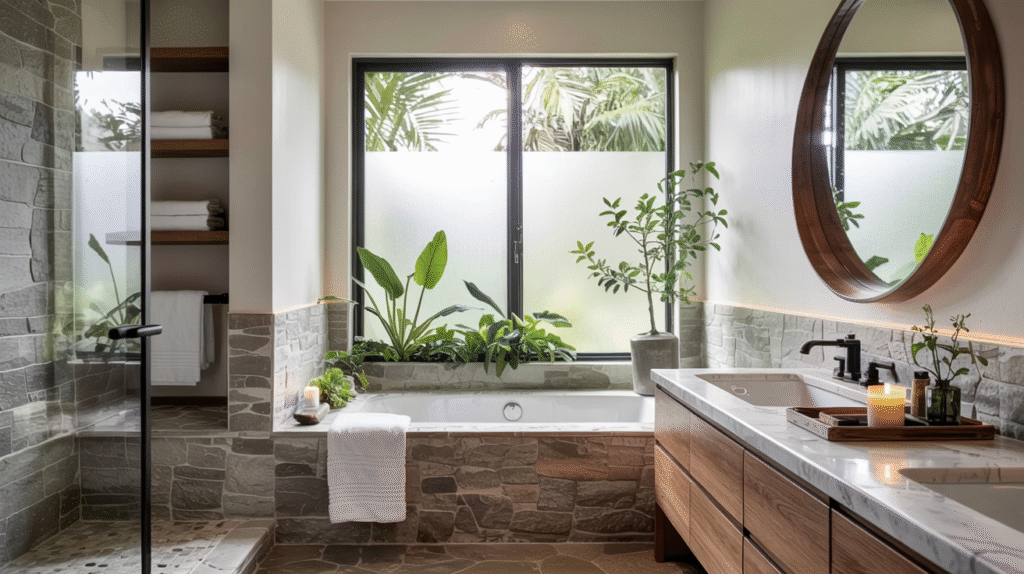
Natural light is central to both source philosophies — it reveals texture honestly, without needing artificial enhancement.
An unobstructed window, sheer rather than heavy curtains, or a skylight all serve this principle directly.
Where natural light isn't available, warm-toned artificial light does the closest approximation.
Harsh, cool lighting works against the whole philosophy, regardless of what else is in the room.


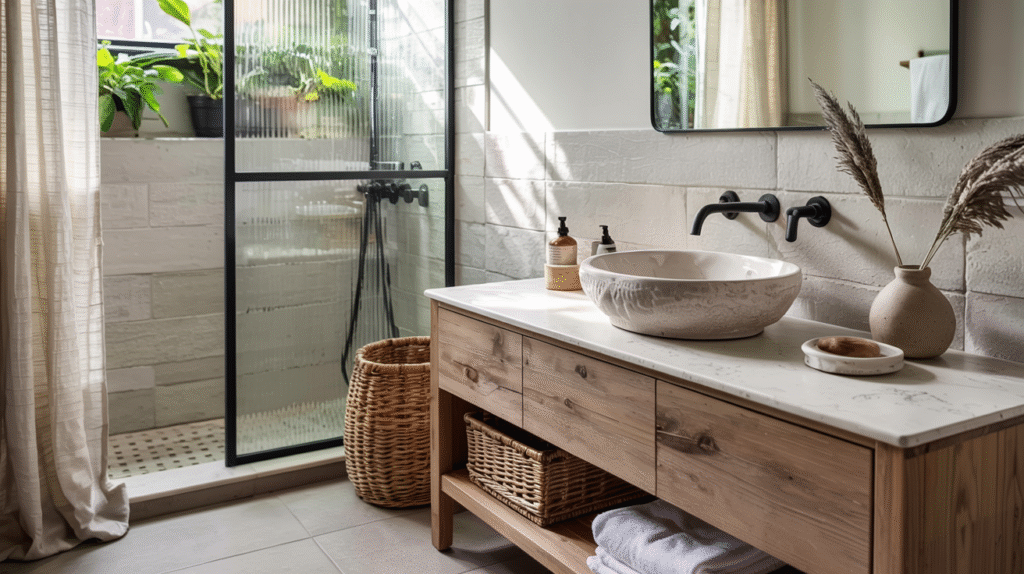
3. Commit to Natural Materials
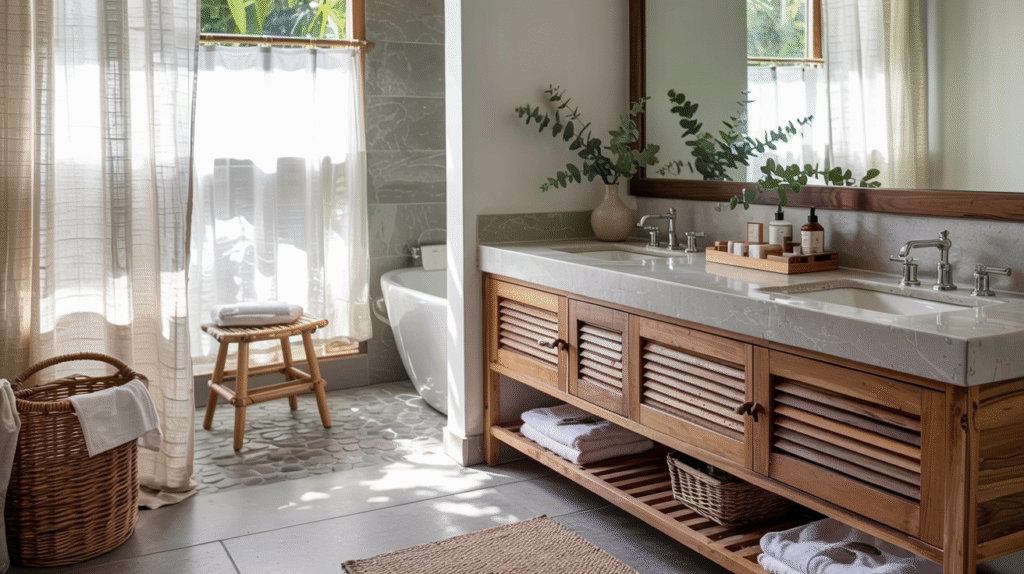
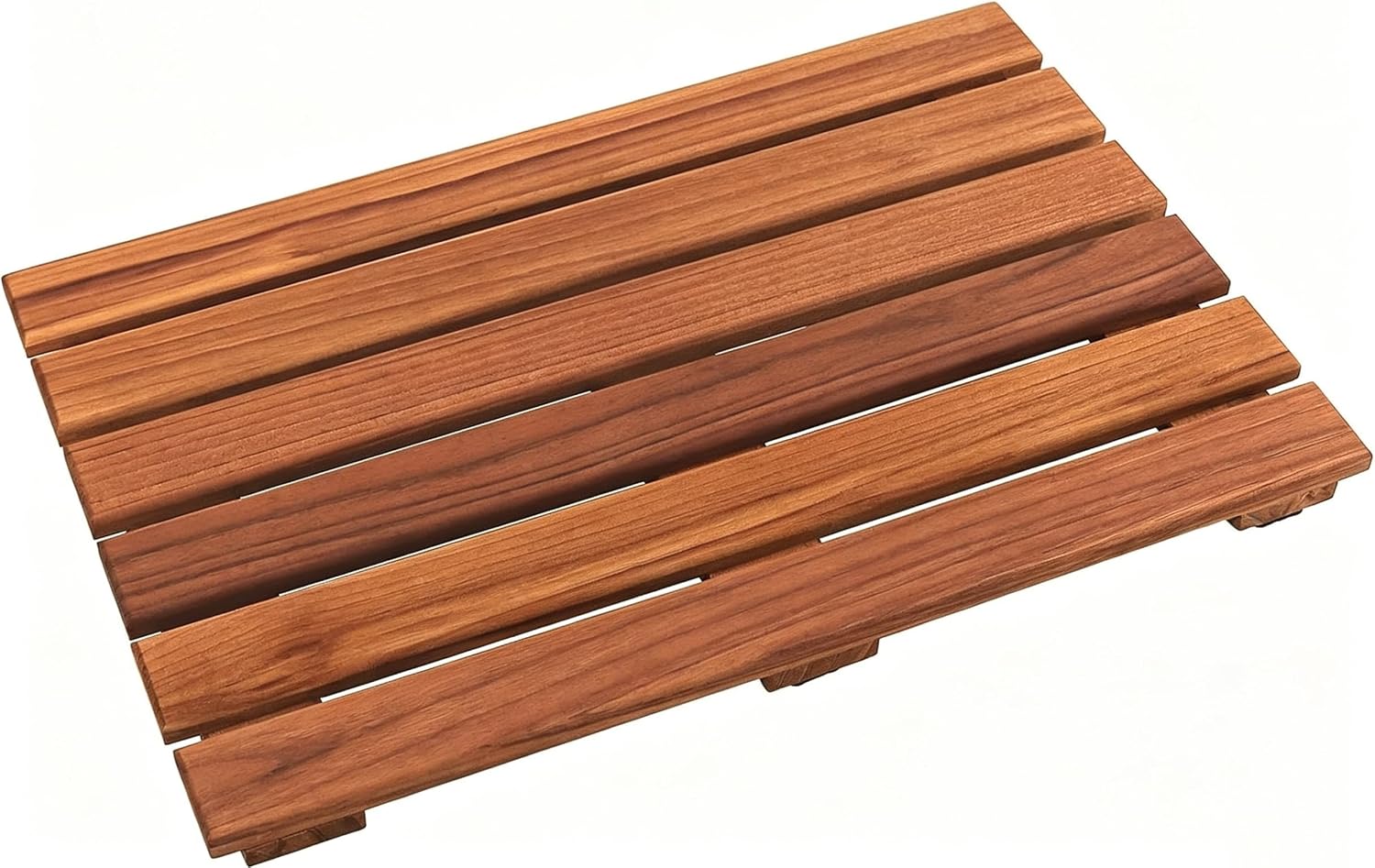
Wood, stone, linen and clay all carry the imperfection wabi-sabi actually celebrates — grain variation, subtle color shifts, a texture that ages visibly over time.
A synthetic material that mimics stone misses the point entirely, even if it looks similar in a photo.
This is the single most defining material choice in the whole style.
Worth prioritizing over any other single decision on this list.

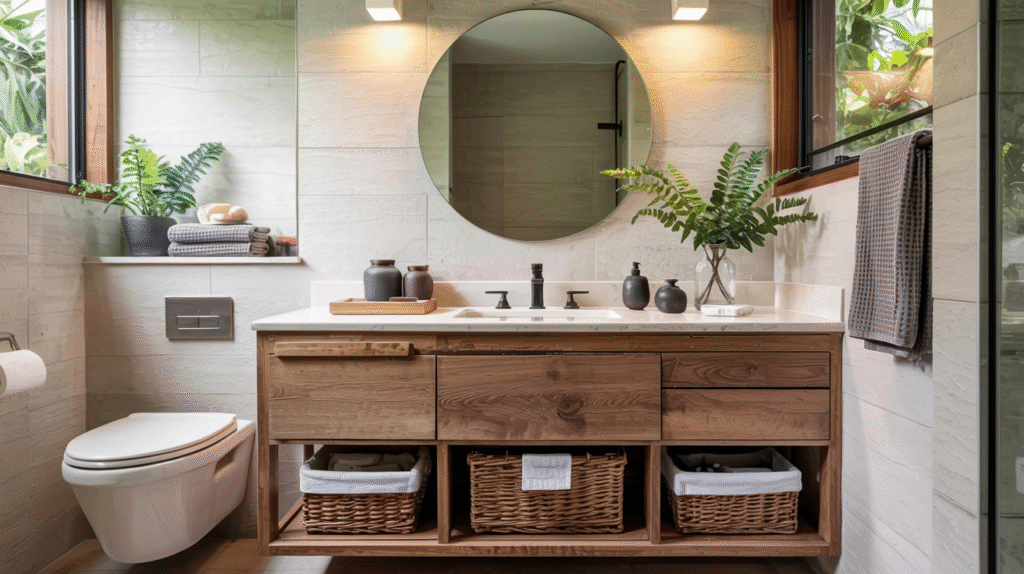
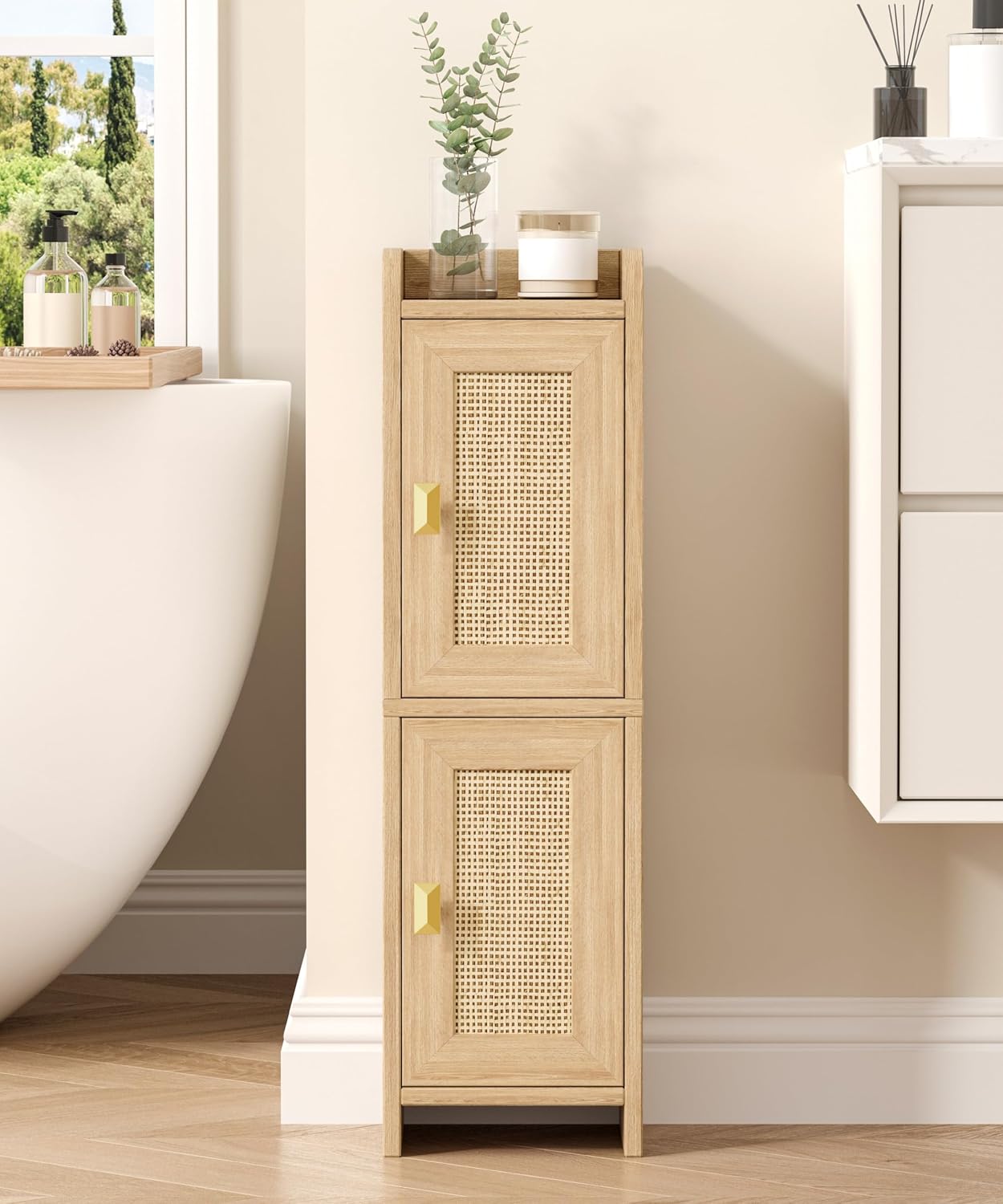
4. Keep Storage Calm and Out of Sight
Visual calm requires clutter to actually disappear, not just get tidied into a corner.
Closed cabinetry, a hidden hamper, drawers instead of open shelves all serve the same underlying goal.
This is the functional minimalism half of the philosophy — not fewer possessions necessarily, just fewer visible ones.
A room can hold plenty of stuff and still read as serene, as long as none of it is on display.

5. Choose a Soft, Neutral Palette
Muted whites, warm beiges and soft grays let the materials and light do the visual work instead of color.
This isn't about avoiding color entirely — it's about letting texture carry more weight than hue.
A loud palette actively works against the calm both source philosophies are built around.
Restraint here is a deliberate choice, not a lack of personality.



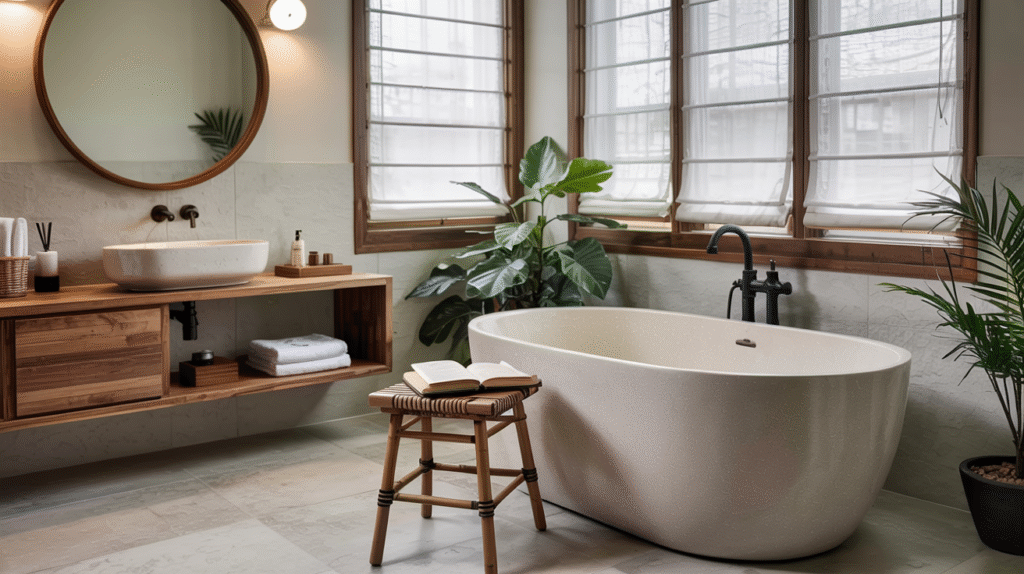
6. Add Organic, Imperfect Shapes
A rounded mirror, a hand-thrown ceramic sink, an asymmetrical vessel — these directly embody wabi-sabi's appreciation for the imperfect and the handmade.
Sharp, machine-precise edges read as the opposite of this philosophy, even in a neutral palette.
One organic shape, well-placed, does more for the room's character than several matching rectangular pieces.
This is where the style's personality actually shows up.


7. Bring In Plants
A single plant connects the room to something alive and imperfect by nature — no two leaves grow identically.
This ties directly back to wabi-sabi's root in natural, unforced beauty.
Humidity-tolerant varieties handle a bathroom's conditions without much extra care.
One plant, well-placed, says more than a cluttered collection of several.


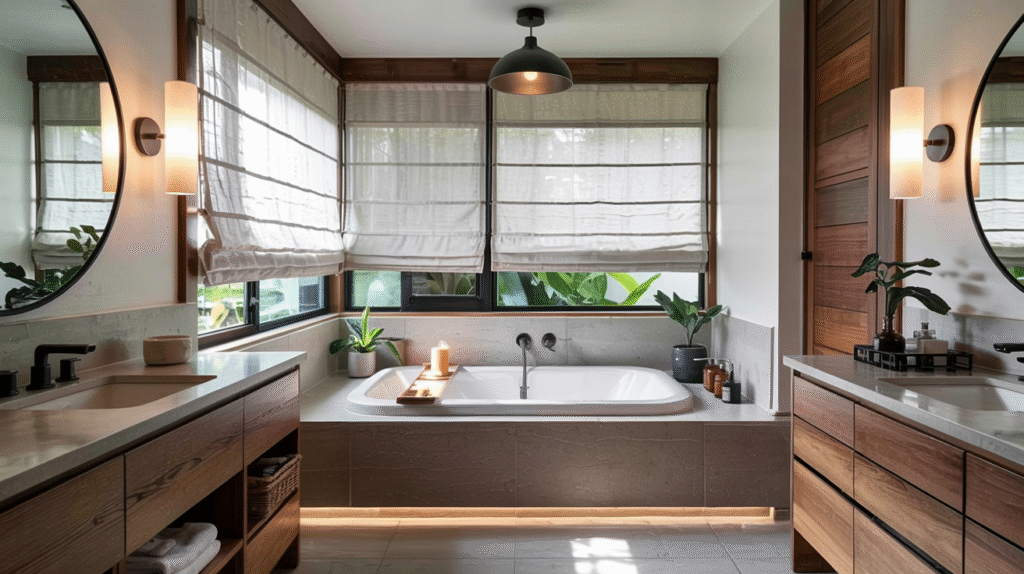
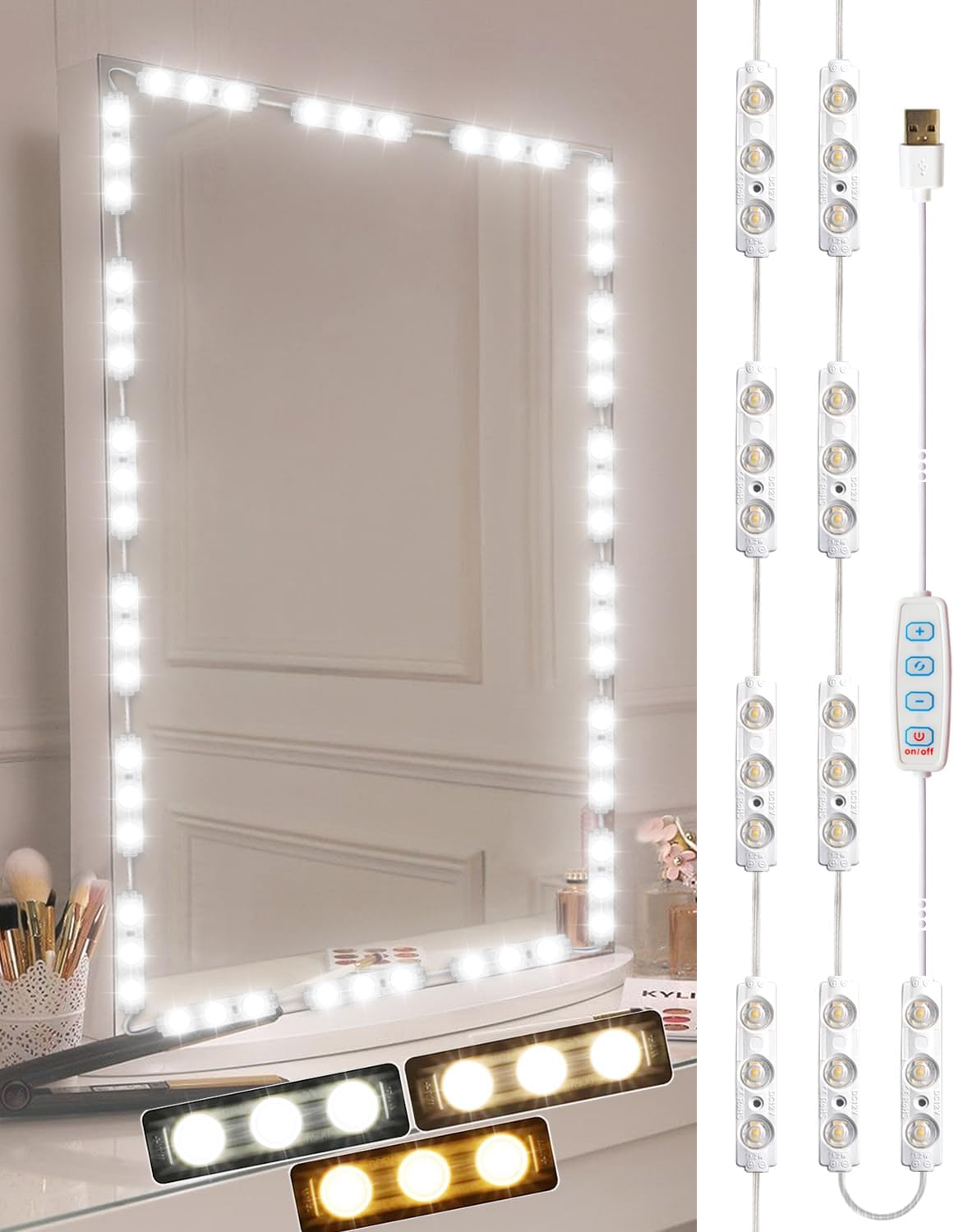
8. Layer the Lighting
A single overhead fixture can't capture the mood both philosophies are going for.
Task lighting at the mirror, ambient lighting overall, and perhaps a small accent light each serve a different moment in the room's daily use.
This reflects the hygge instinct toward comfort tailored to the actual activity happening.
Worth the extra planning, since lighting affects mood more than almost any single object choice.

9. Add Texture, Subtly
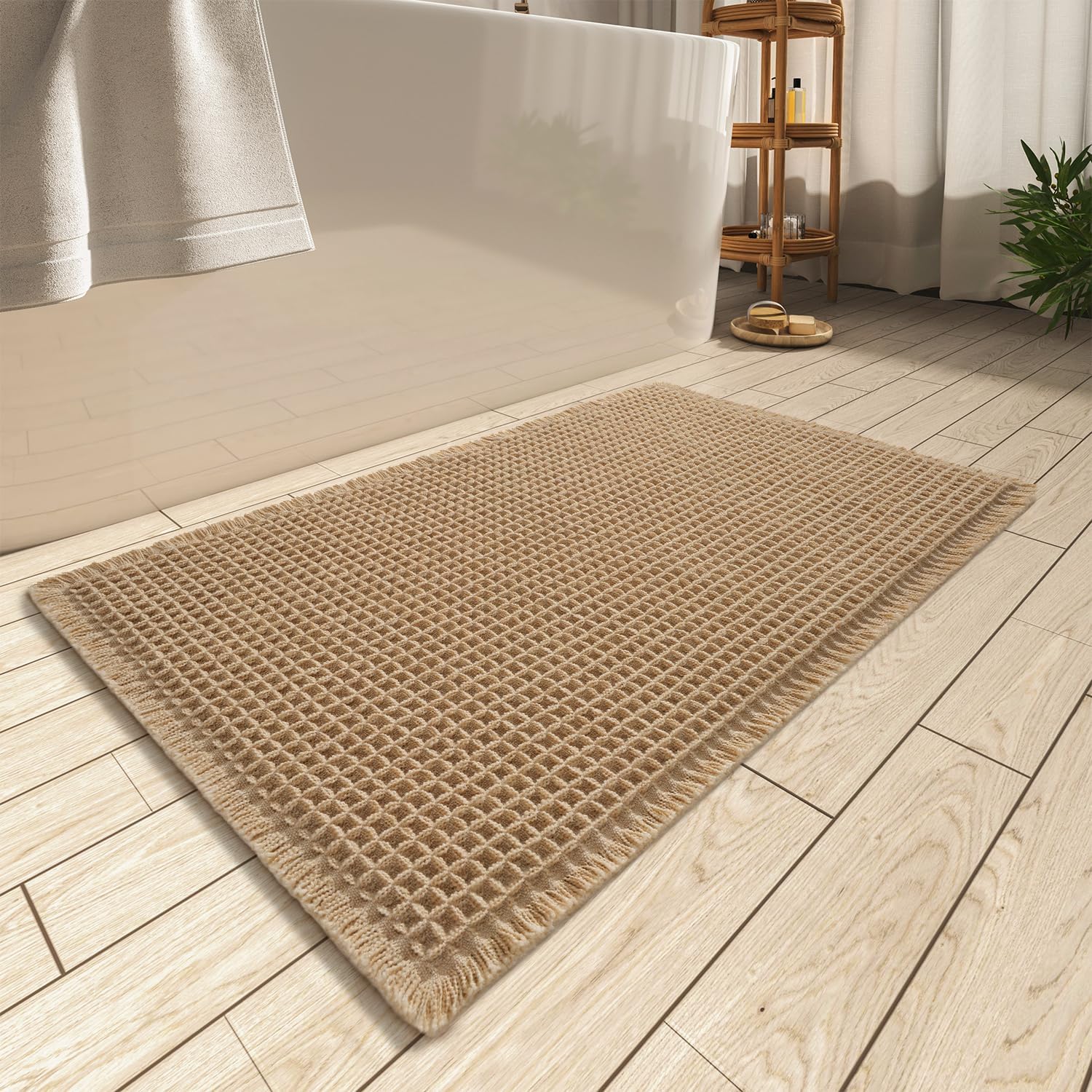
A woven mat, a linen towel, a textured tile — these add tactile interest without adding visual noise.
This is a quieter expression of wabi-sabi's appreciation for natural variation and handmade quality.
Subtlety is the operative word here — one or two textured elements, not an overwhelming mix.
Texture does the job color usually does in a less restrained style.

10. Choose Fewer, Better Accessories
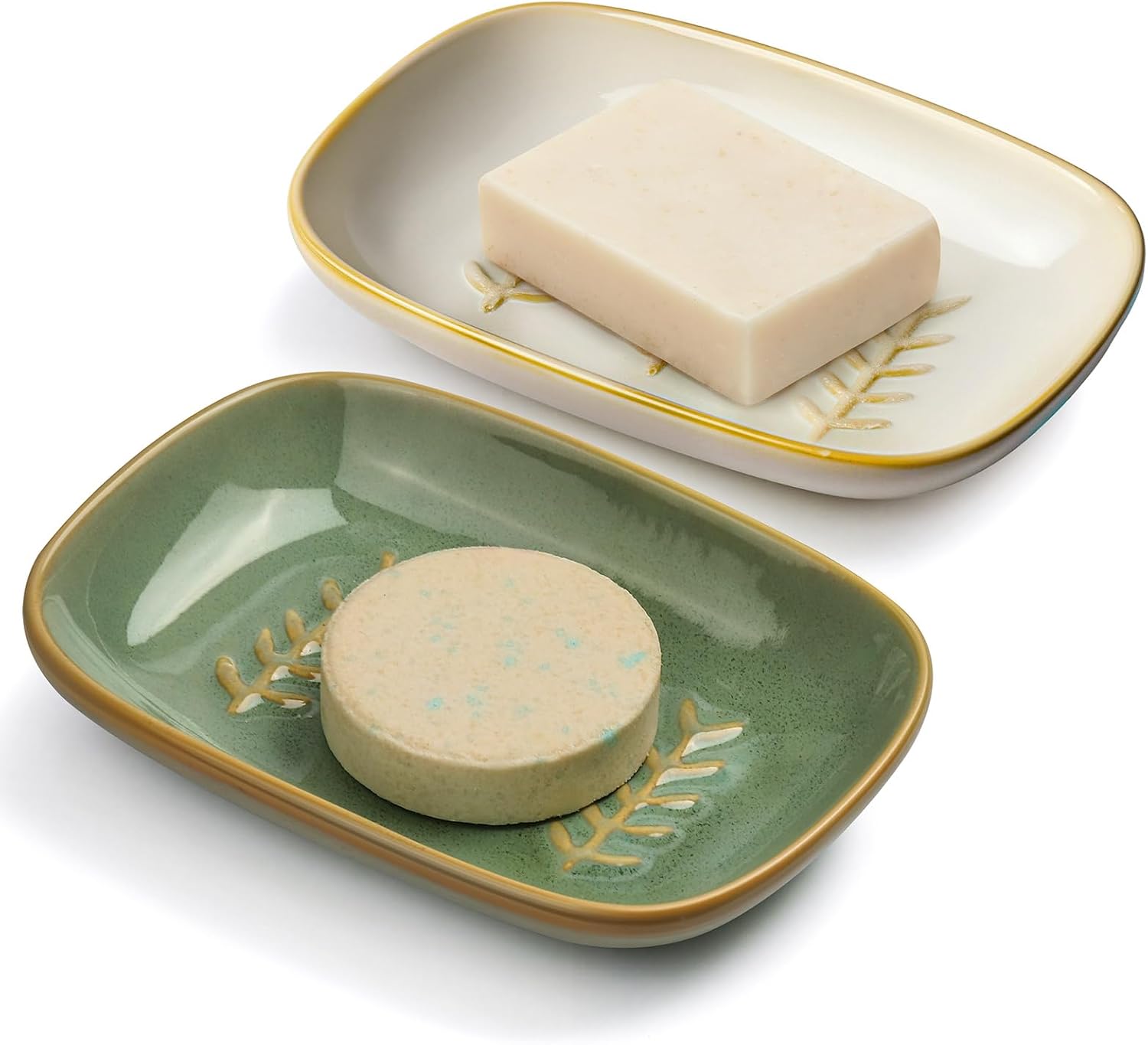
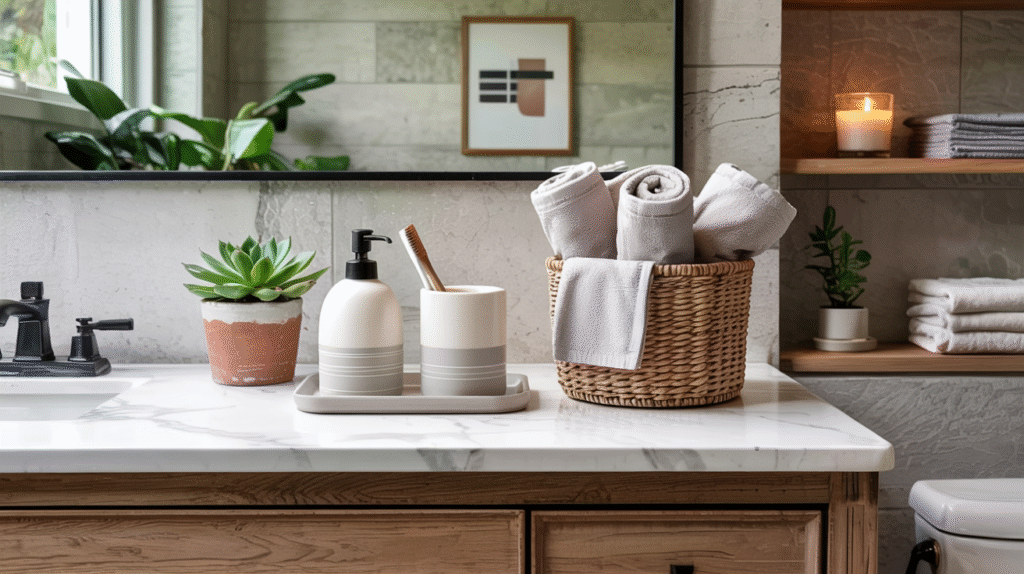
Every object visible in the room should earn its place — a soap dish, a single vase, one piece of functional art.
This closes the loop back to the first idea on this list: minimal doesn't mean empty, it means deliberate.
Quality over quantity isn't just a saying here — it's the actual design rule.
The last, smallest decisions are often what separates a genuinely Japandi room from one that just looks neutral.


Making It Work in a Small Bathroom
Every principle here scales down without losing its meaning.
A small bathroom actually suits Japandi well, since the restraint the style calls for is already somewhat forced by the space.
Prioritize natural light and one or two natural-material pieces over trying to fit in everything from this list.
A tight space executed with real restraint reads as more Japandi than a large room trying to do too much.
Final Thoughts
Japandi works because the two philosophies behind it reinforce each other — imperfection and warmth, restraint and comfort.
Chasing the aesthetic without understanding the principles usually produces a merely neutral bathroom, not a genuinely calm one.
Start with material choices and light, since those matter more than any single decorative object.
The rest follows naturally once the foundation is right.