
A grazing board isn't one single thing — it changes shape entirely depending on who's actually eating from it.
A kids' birthday board and a game night board solve completely different problems, even though both start with a platter and a knife.
These 18 ideas are organized around that occasion, not around a color scheme or aesthetic.
Pick the one that matches the actual event first, then style from there.


Building a Board That Actually Works
Balance matters more than variety for its own sake — a mix of salty, sweet, creamy and crunchy keeps a board interesting bite after bite.
Portioning doesn't need to be exact. A rough guide of two to three ounces of meat and cheese per person covers most gatherings without over-planning.
Starting with the largest items first, then filling gaps with smaller ones, makes the visual layout come together faster than planning it item by item.
A board that's easy to eat from without a lot of mess tends to get finished, not just admired.


Styling Without the Stress
Starting with a few anchor items — a small bowl, a wedge of cheese, a cluster of grapes — and filling in around them beats trying to plan every placement in advance.
Leaving small gaps isn't a mistake. A little visible board surface actually reads as more intentional than wall-to-wall food.
A board doesn't need to be perfect to look finished. A few greens or herbs tucked into the gaps cover most styling sins.


1. The Classic Charcuterie Board
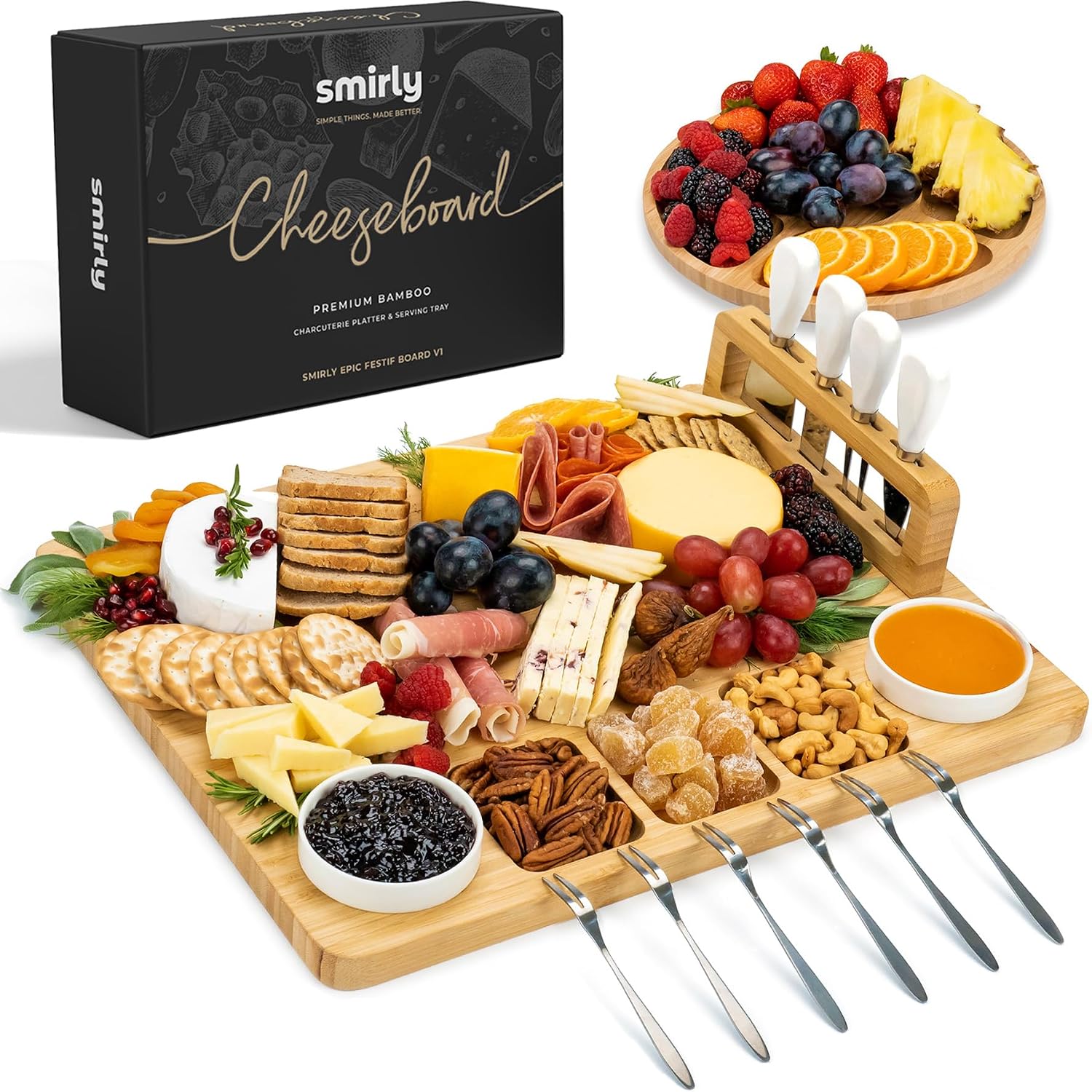
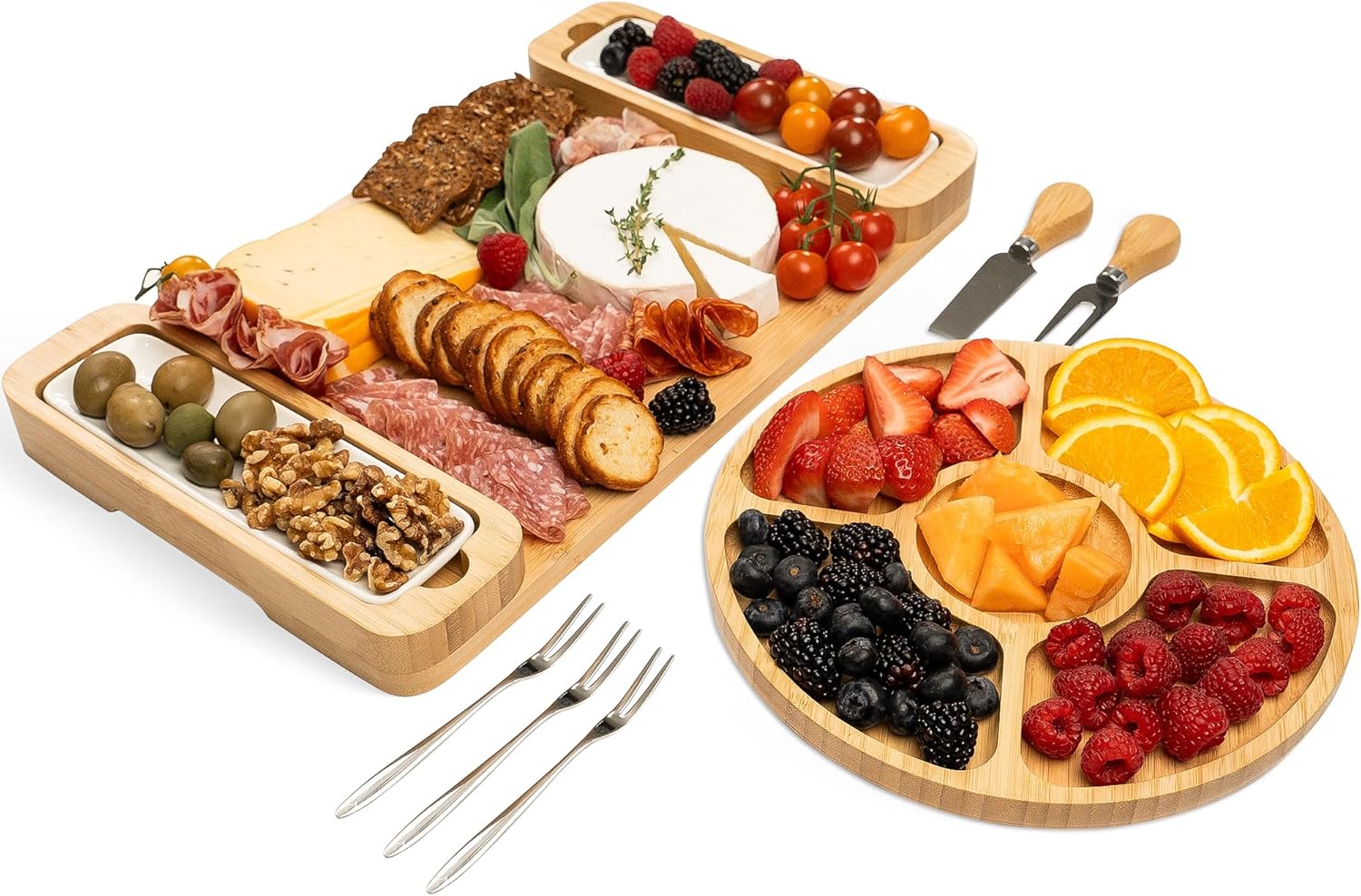
Cured meats, a few cheeses, crackers and a jam all built around the traditional format.
This is the safest choice for a mixed crowd with no specific dietary needs to plan around.
It also scales easily — small for a casual get-together, large for an open house.
The reliable default when nothing else on this list fits the occasion better.
2. The Cheese Lover's Board
Built around cheese variety first — soft, hard, aged, fresh — with everything else playing a supporting role.
This suits a smaller, more focused gathering where the cheese itself is the conversation piece.
A few contrasting textures and ages keep the board from feeling one-note despite the narrow focus.
Crackers and a bit of honey round it out without competing for attention.


3. The Meat Lover's Board
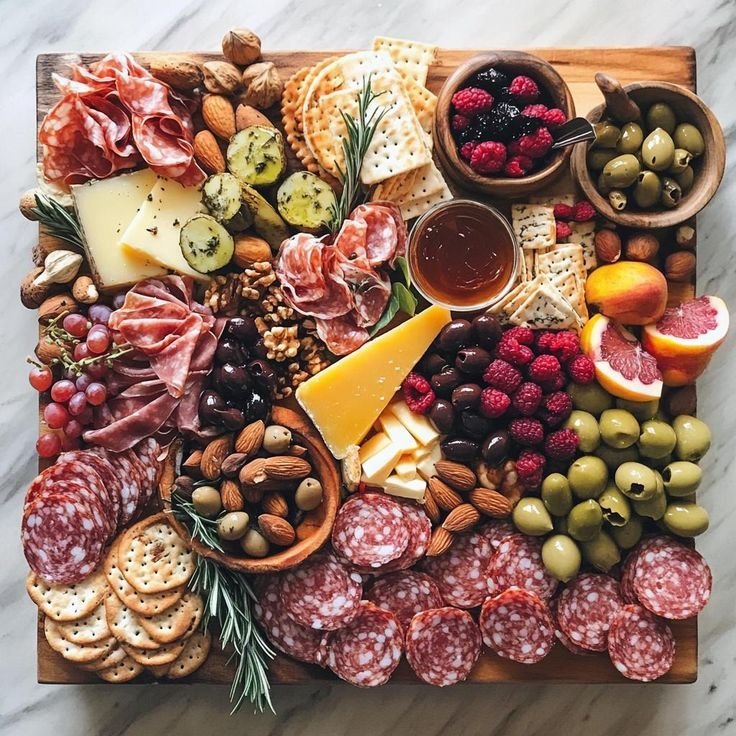
Salami, prosciutto, soppressata and other cured meats take center stage, with cheese and crackers filling in around the edges.
This suits a gathering where heartier, protein-forward food is the expectation.
Folding or rolling the meats adds visual height and makes the board easier to pick from.
A good fit for a more casual, high-energy event like a game watch.

4. The Fruit and Cheese Board
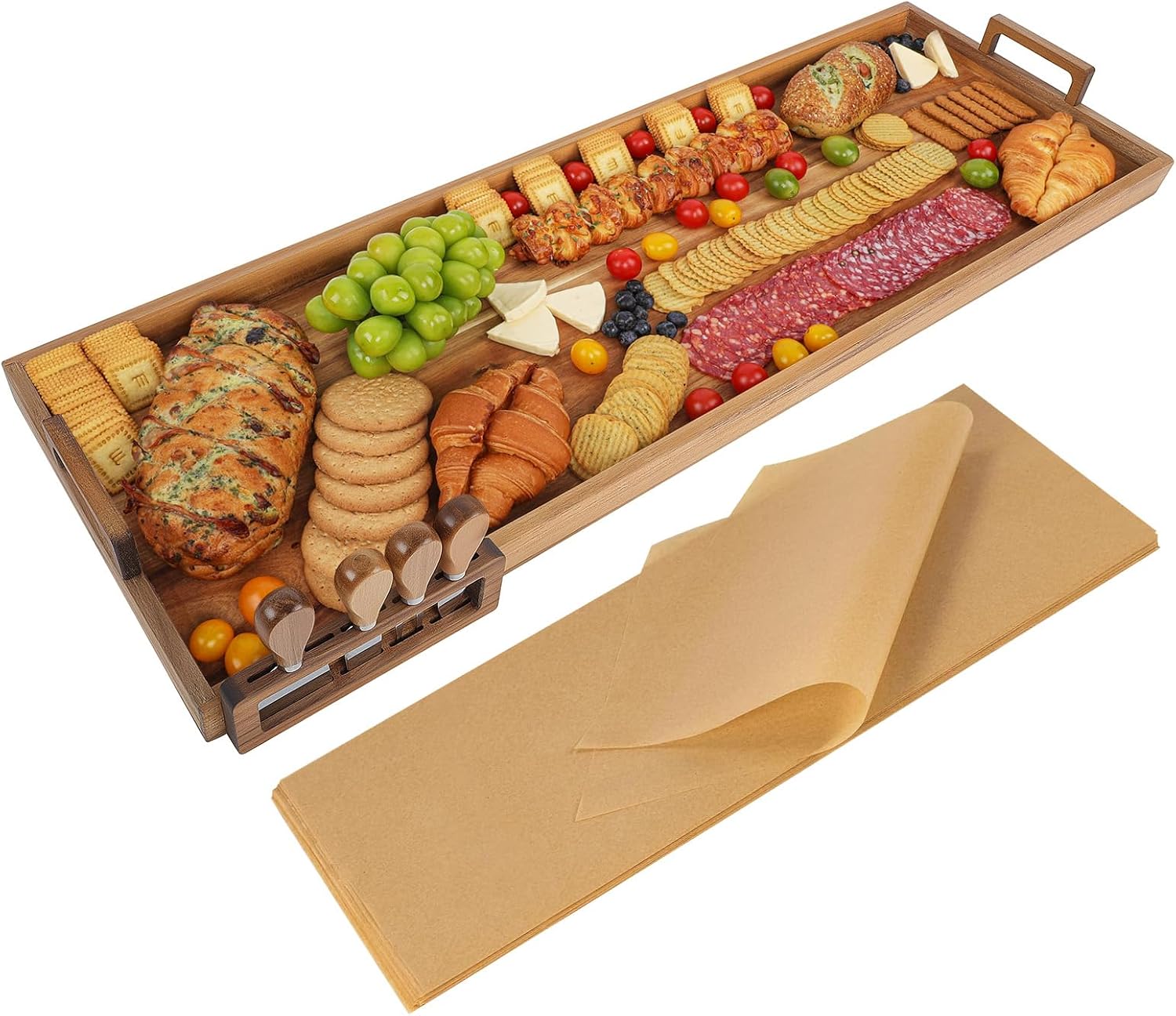
A lighter option built around fresh and dried fruit paired with a few complementary cheeses.
This suits a daytime event or a gathering where a heavier meat-forward board wouldn't fit the mood.
Seasonal fruit keeps this one changing throughout the year without much extra planning.
A good option for anyone wanting a board that still looks indulgent without being heavy.


5. The Vegetarian Board
Cheese, nuts, fruit, roasted vegetables and good bread replace the meat entirely without losing the board's visual richness.
This covers a dietary need directly, rather than treating it as an afterthought tucked into a corner of a meat-forward board.
Marinated or roasted vegetables add the savory depth that meat usually provides.
Worth building as its own dedicated board rather than a smaller side option.

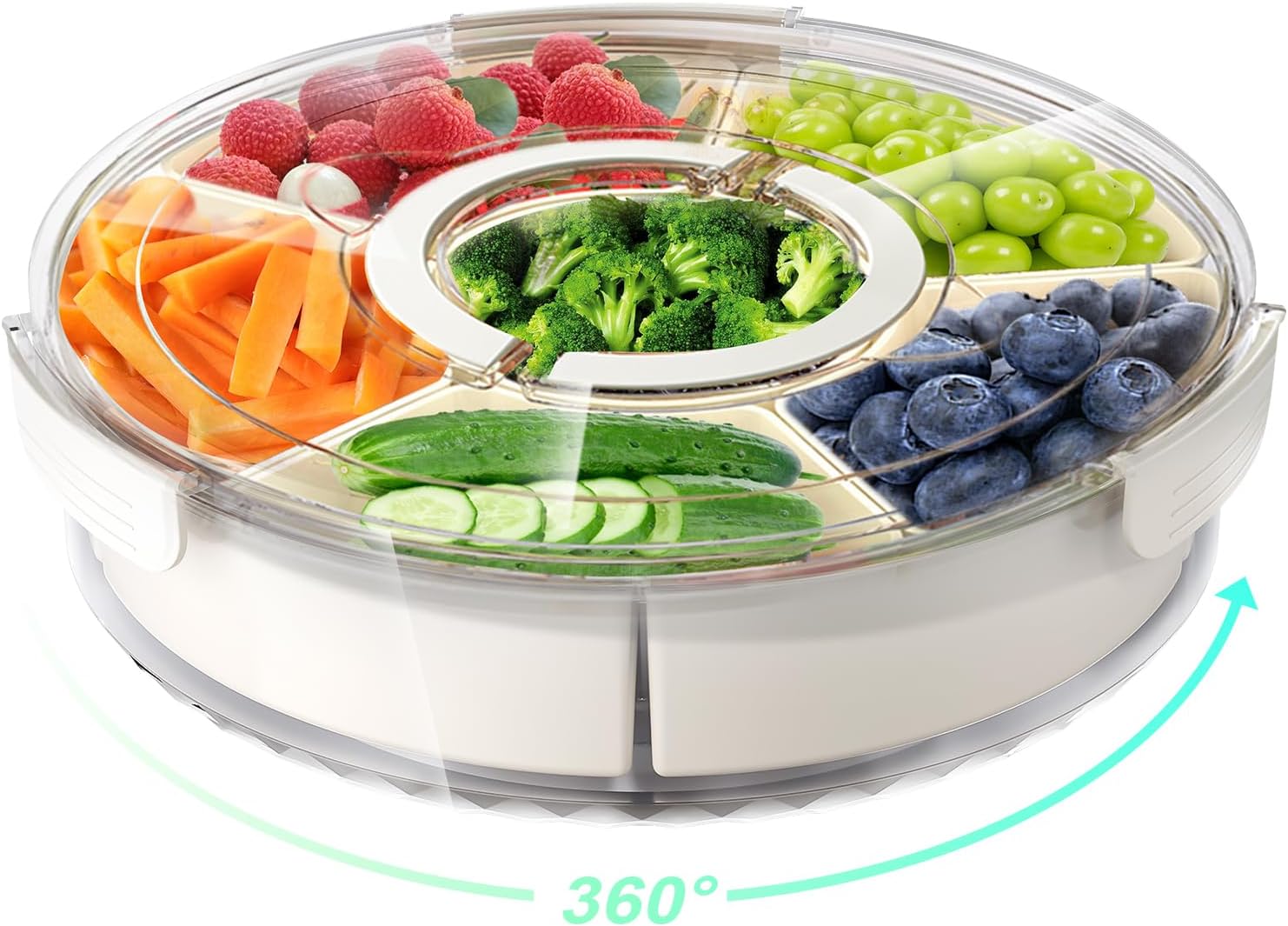

6. The Vegan Board
Plant-based cheeses, hummus, olives, nuts and fresh produce build a board that's fully dairy- and meat-free.
This requires a bit more planning than a standard board, since substitutions need checking for taste and texture, not just the label.
A good vegan board doesn't read as a compromise — the variety carries it just as well as a traditional one.
Worth having a version of this ready whenever a guest list includes dietary restrictions.

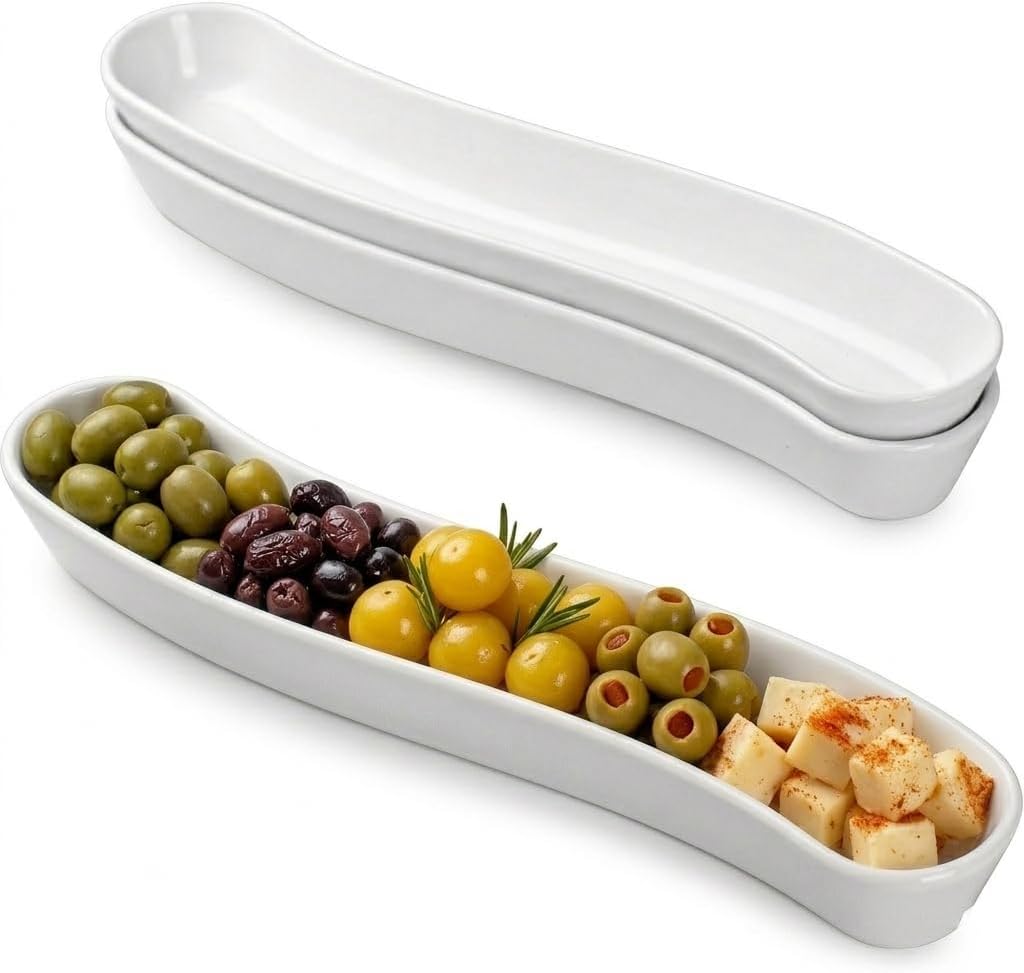

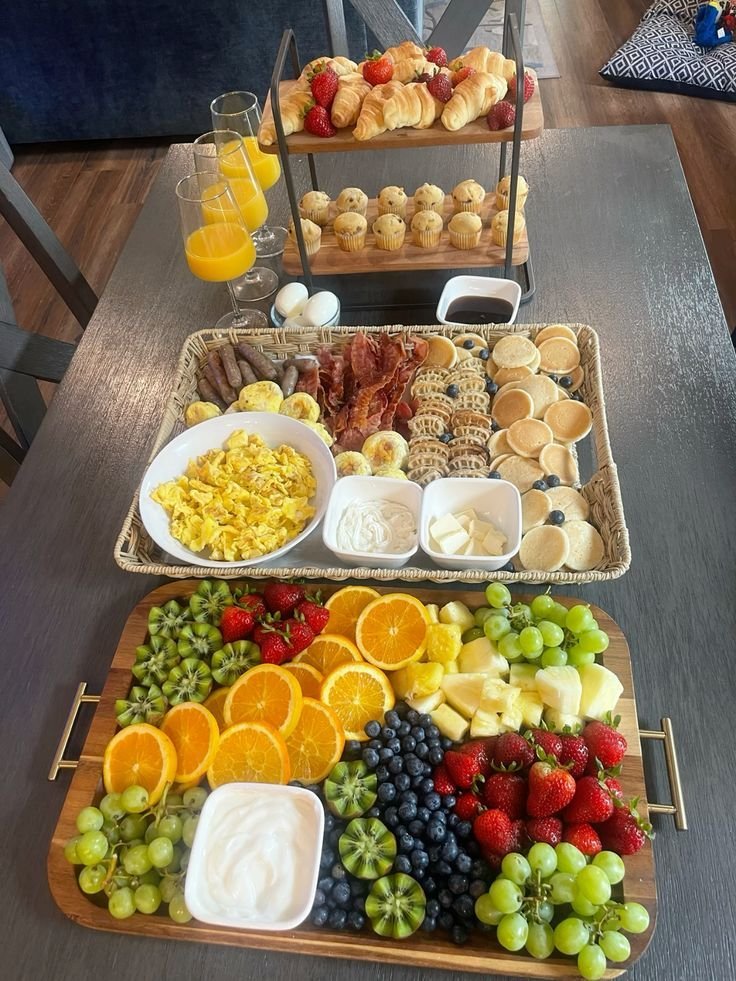
7. The Breakfast Board
Pastries, fresh fruit, yogurt, granola and a soft cheese or two turn a grazing board into a brunch centerpiece.
This suits a morning gathering where a traditional charcuterie spread wouldn't fit the time of day.
Mini muffins or croissants add height and visual interest the same way meats do on an evening board.
A genuinely different board category, not just a lighter version of the classic one.

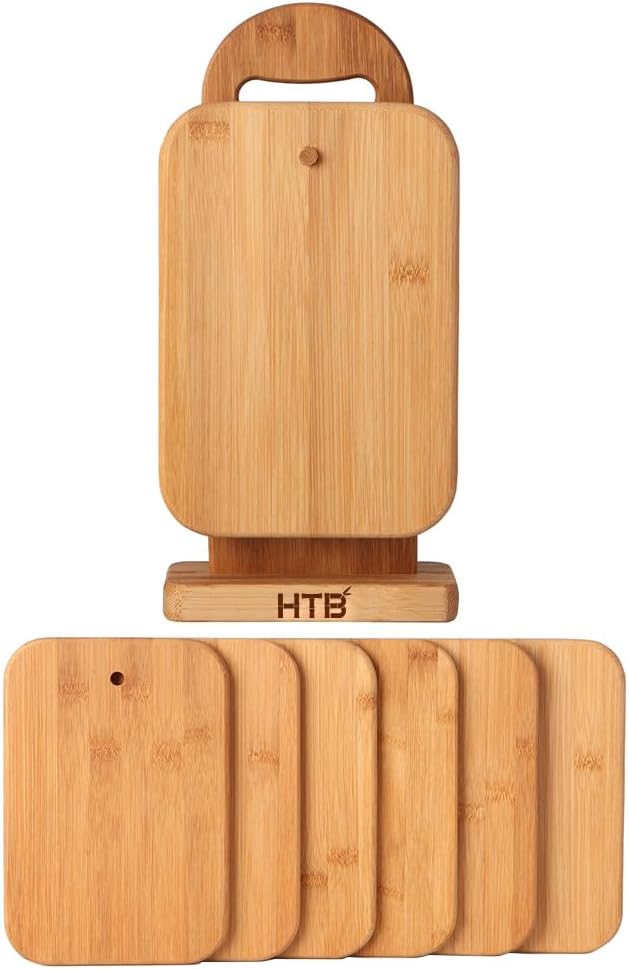

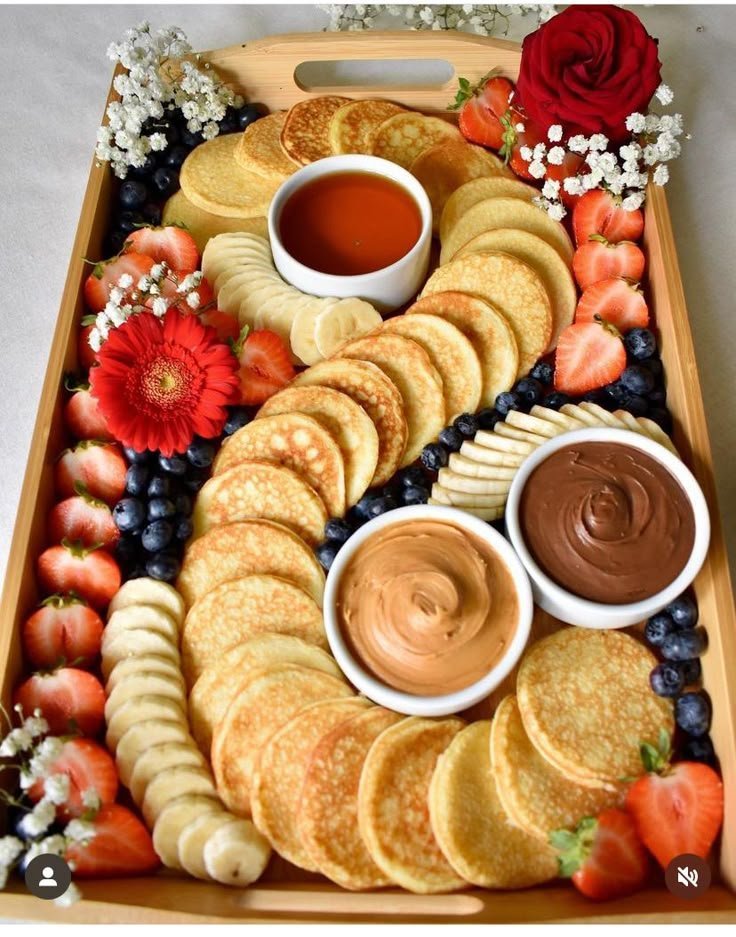
8. The Dessert Board
Chocolate, cookies, fresh berries and a few small treats replace the savory items entirely.
This works well as a final course after a meal, or as the main event at a casual gathering.
Varying size and height across the treats keeps it visually interesting the same way a savory board does.
A natural pairing with the breakfast board above for an all-day spread.


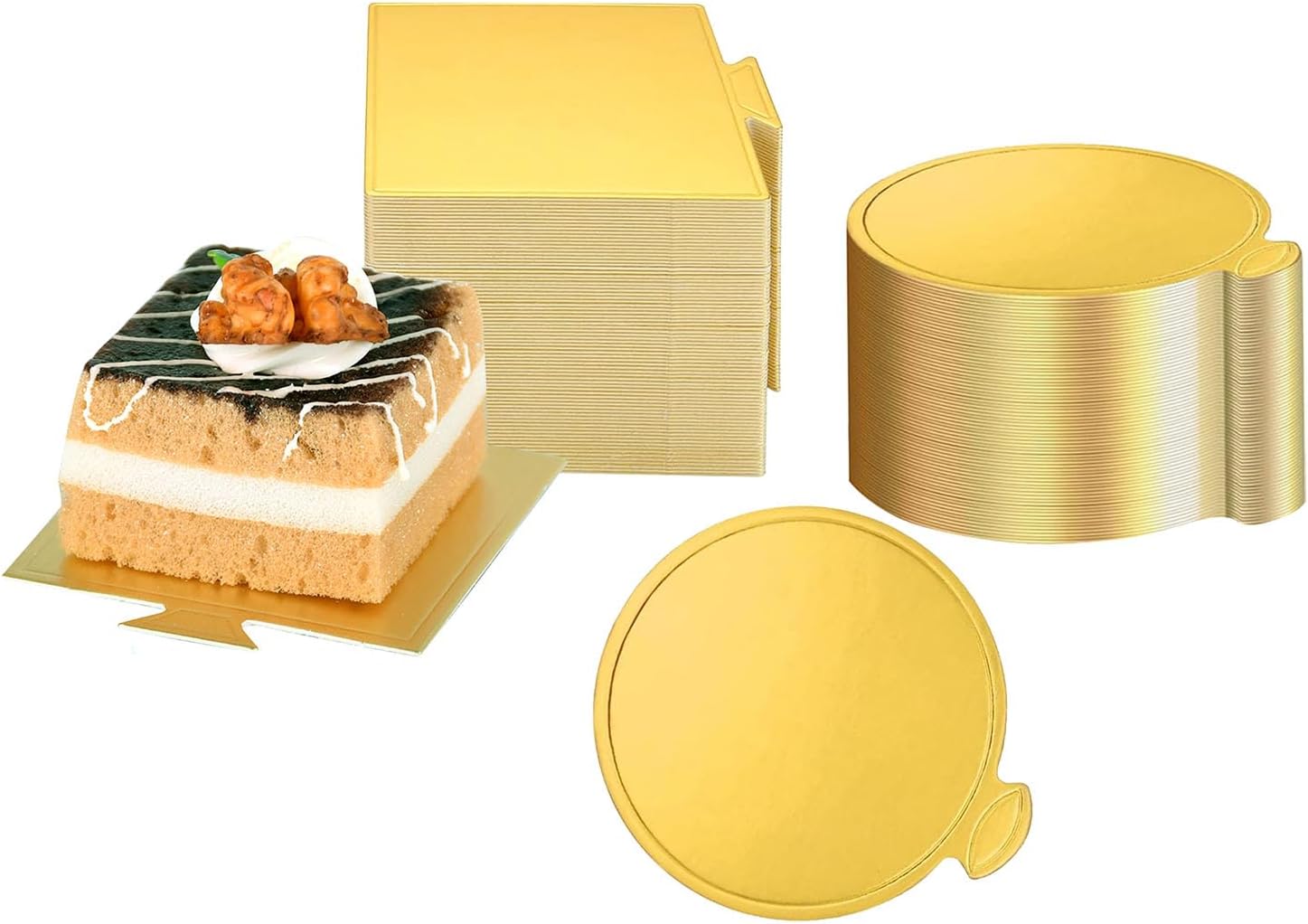
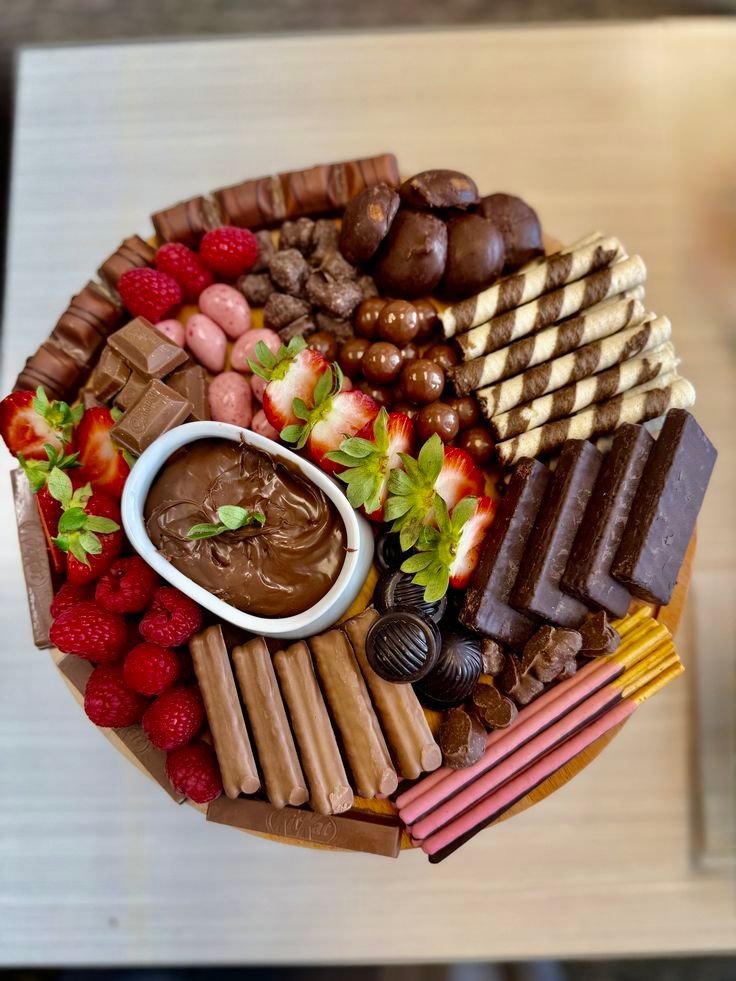
9. The Chocolate Lover's Board
A narrower, more focused version of the dessert board, built entirely around chocolate in different forms.
Dark, milk and white chocolate pieces, chocolate-covered fruit, and a few chocolate-adjacent treats keep the theme tight.
This suits a smaller, more intimate gathering or a specific celebration built around chocolate as the theme.
Simple to execute, since the ingredient list stays narrow by design.


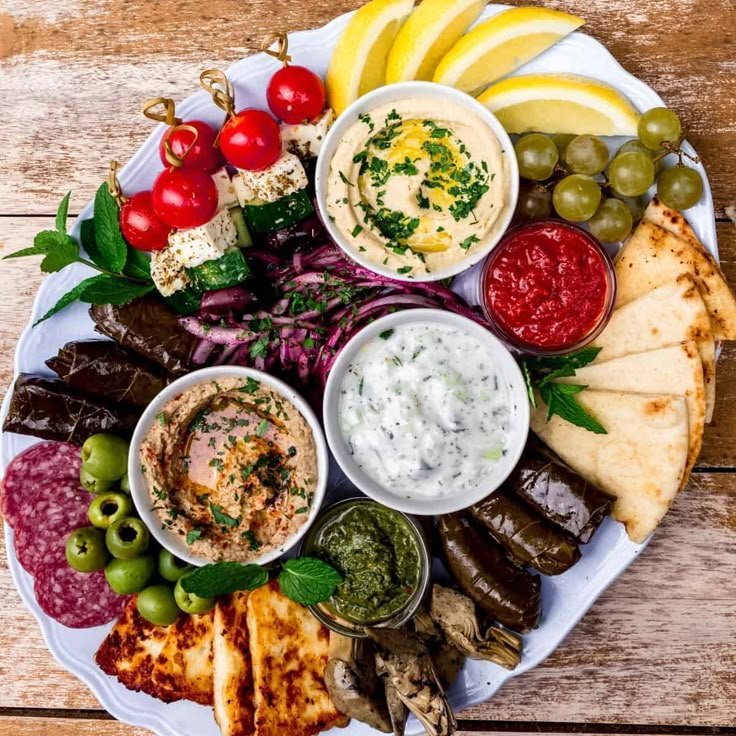
10. The Mediterranean Board
Hummus, olives, feta, pita and marinated vegetables build a board around a specific regional flavor profile.
This suits a gathering where guests want something a little lighter and herb-forward than a traditional charcuterie spread.
It also happens to cover vegetarian needs naturally, without feeling like a substitution board.
A good option when the usual cured-meat format feels overdone.
11. The Picnic Board
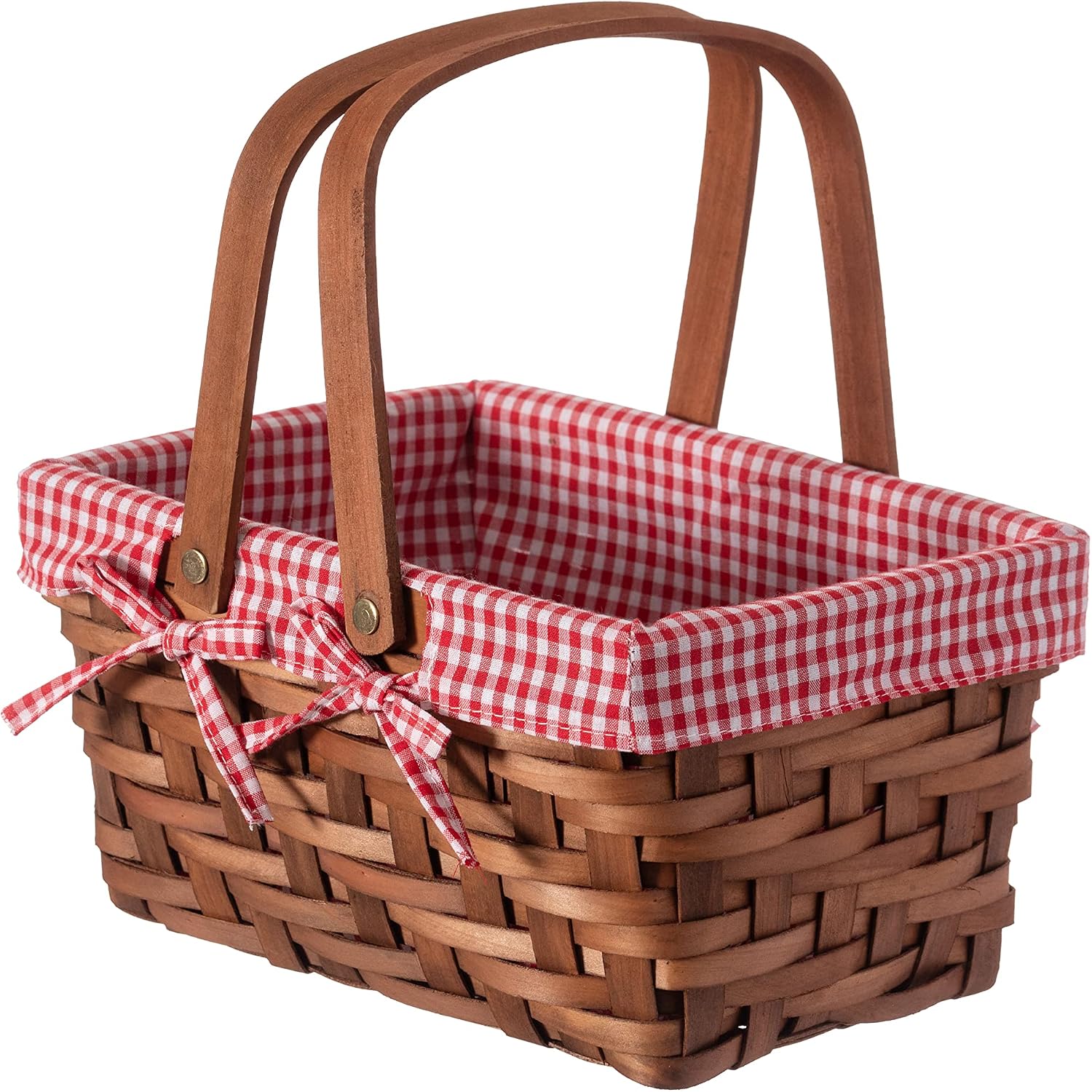
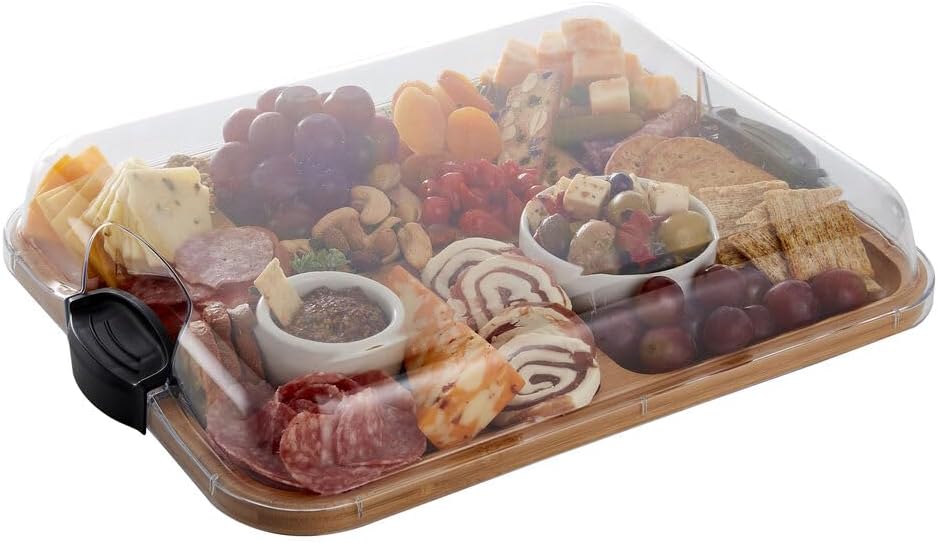
Built for transport first — sturdier items that hold up outside a fridge for a few hours.
Hard cheeses, cured meats, dried fruit and crackers all travel better than soft cheese or anything that needs to stay cold.
A flat, portable surface (a cutting board, a tray with a lid) matters as much as what's on it.
Worth planning around the actual outdoor conditions, not just the food itself.

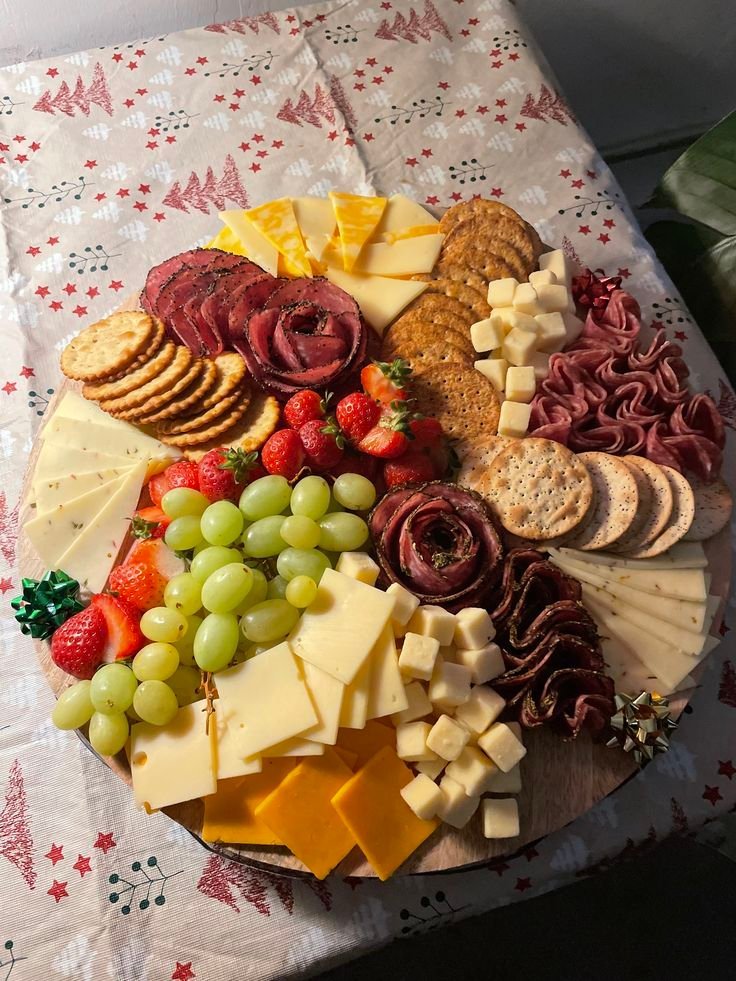
12. The Holiday Board
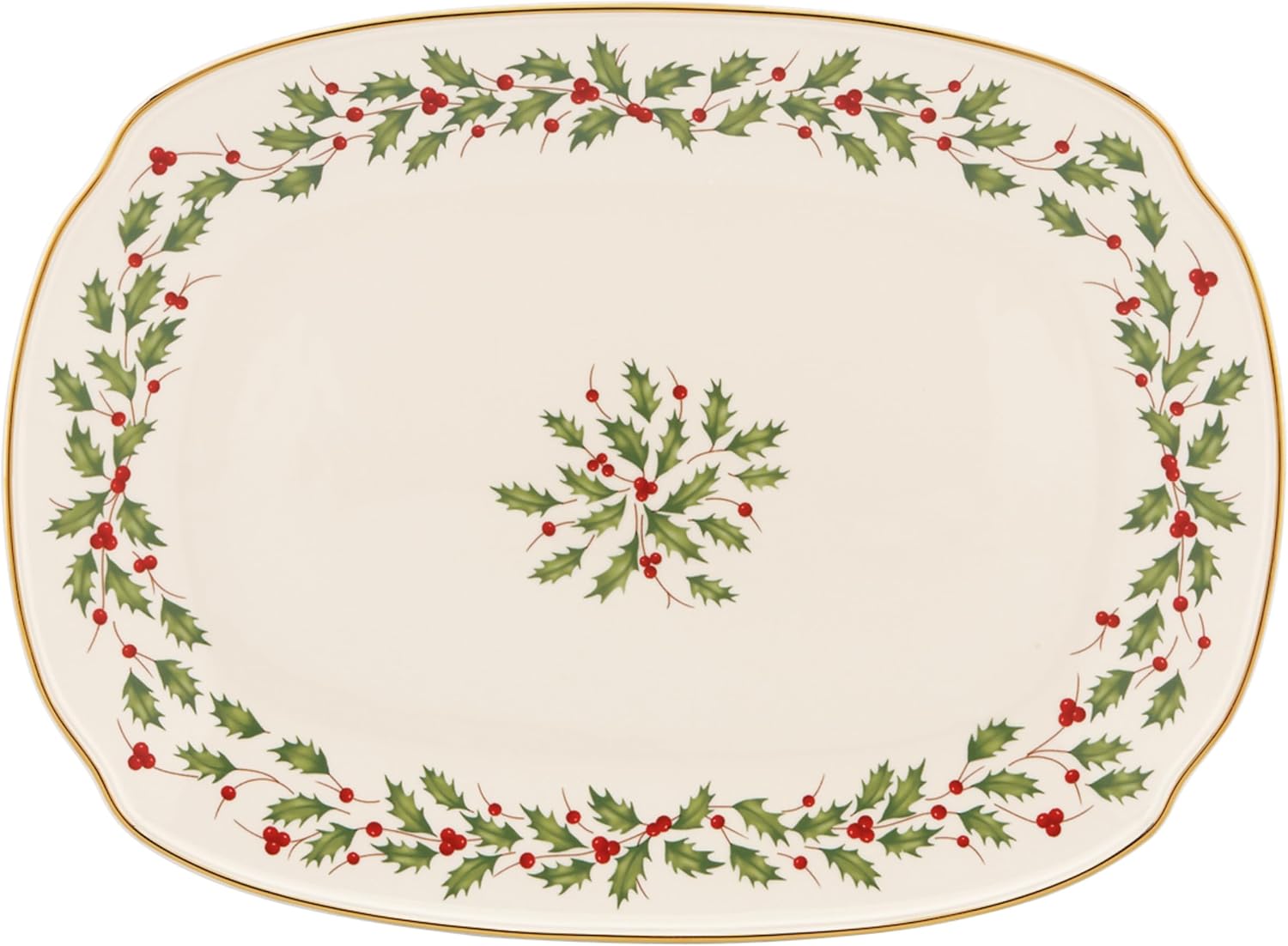
Seasonal shapes, festive colors and holiday-specific garnishes turn a standard board into something built for the occasion.
This works for any major holiday, not just winter ones — the format adapts to whatever seasonal touches fit.
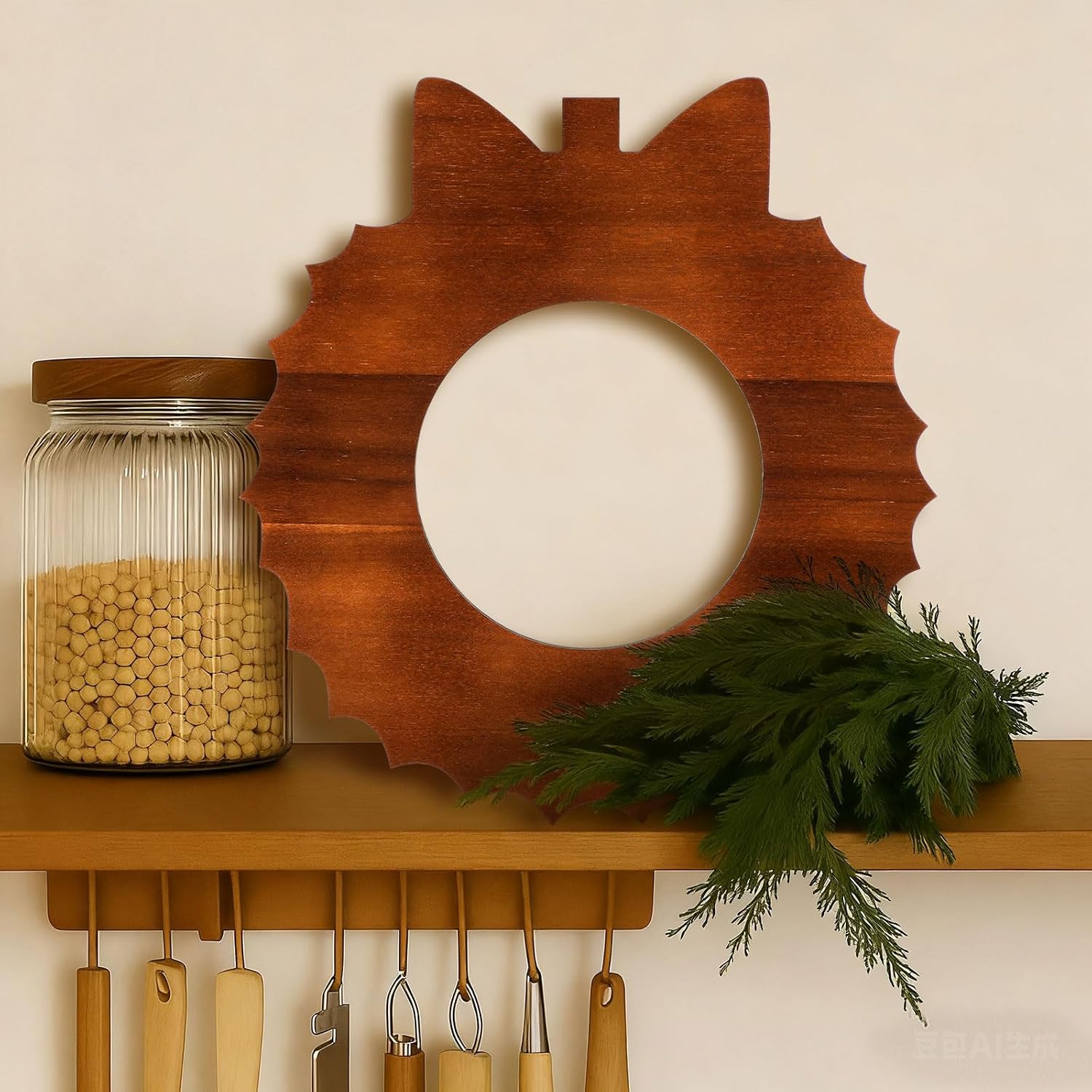
A themed shape (a wreath, a tree, a heart) using the arrangement itself adds personality without extra ingredients.
One of the more photogenic boards on this list, worth the extra arranging time.

13. The Kids' Party Board
Familiar, mild flavors — mild cheese, crackers, fruit, a few mini treats — replace anything too adult-leaning.
Cutting items into fun shapes helps, but isn't strictly necessary if the ingredient choices are right.
This solves the real problem with a kids' gathering: appealing to picky eaters without a separate kids' table.
Keeping portions small and bite-sized matters more here than on any adult-focused board.



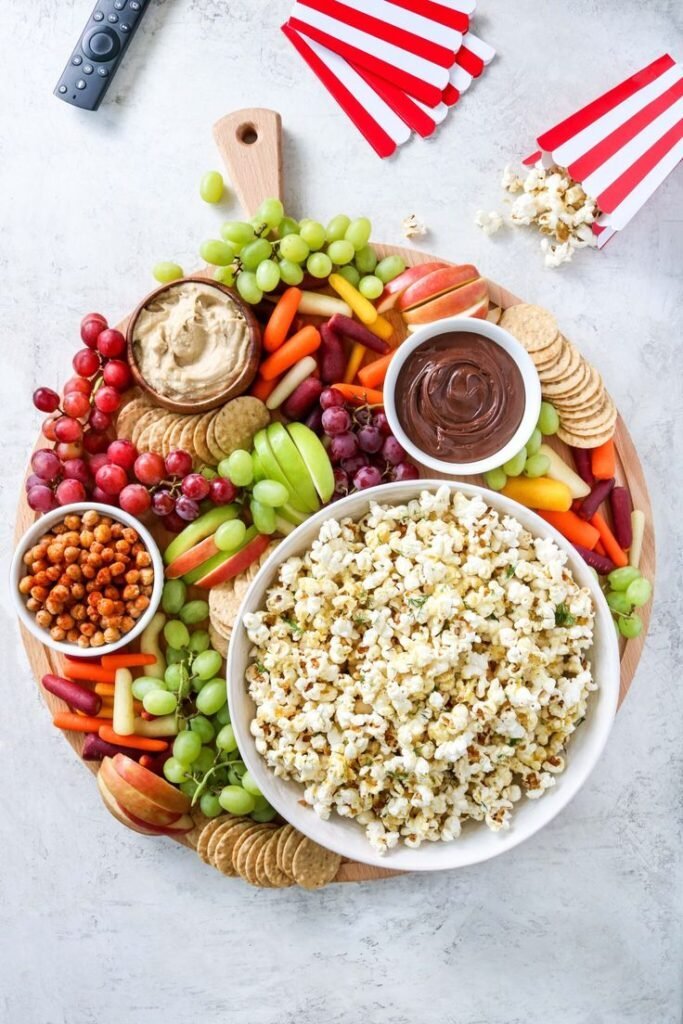
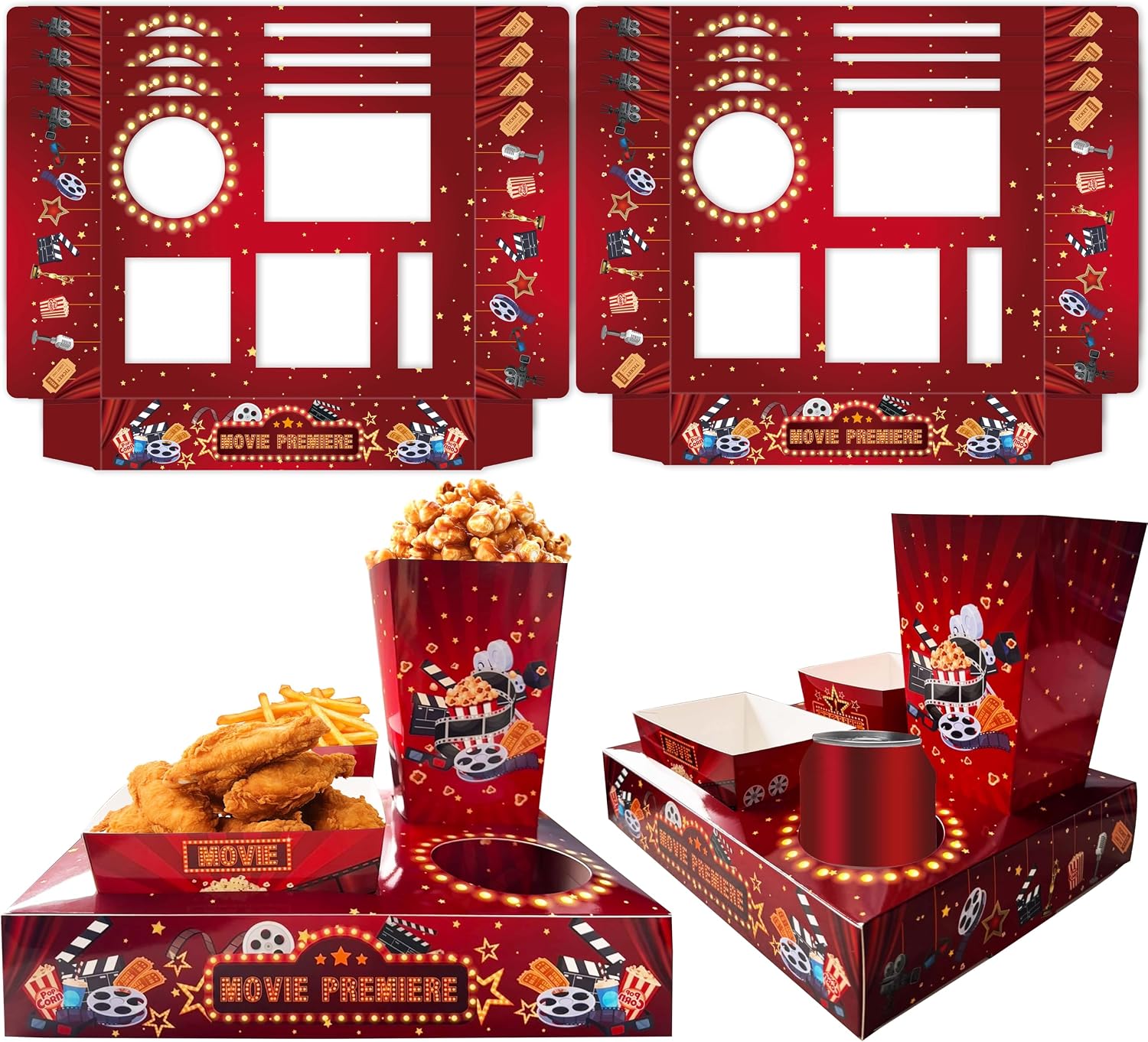
14. The Movie Night Board
Popcorn, candy, chips and easy-to-eat snacks replace the traditional charcuterie format entirely.
This is built for eating in low light without utensils, which changes what actually belongs on it.
A mix of sweet and salty covers most movie-night cravings in one spread.
A genuinely different occasion-board category from everything else on this list.

15. The Game Night Board
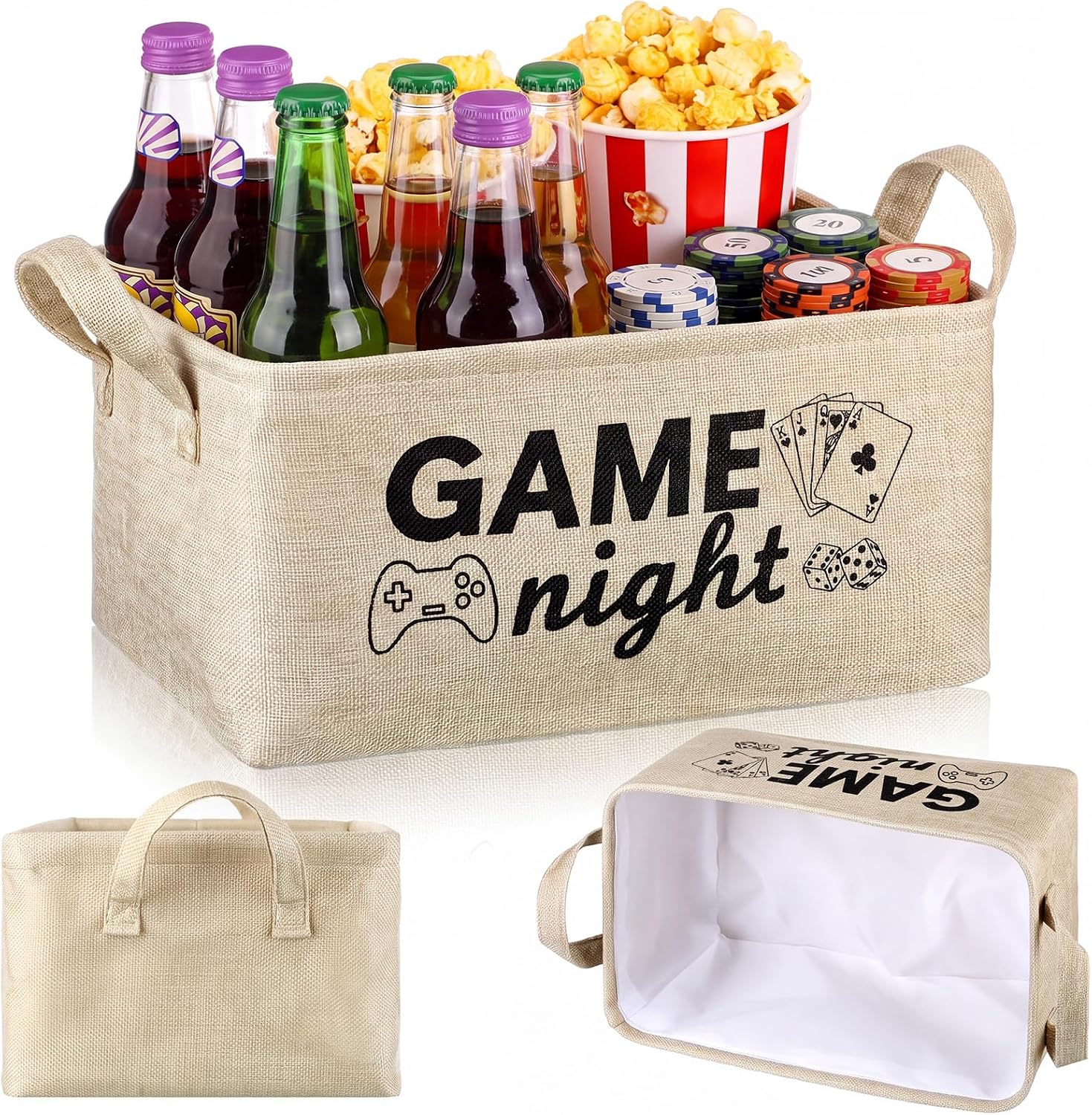
Easy, one-handed finger foods that don't interfere with holding cards or a controller.
Cubed cheese, pretzels, nuts and small meat rolls all work without needing a plate.
This suits a longer gathering where guests graze steadily rather than eating all at once.
Durability matters here too — items that hold up sitting out for a few hours work best.


16. The Budget-Friendly Board
A full, generous-looking board doesn't require premium ingredients throughout.
A mix of one or two higher-end items with affordable staples — crackers, seasonal fruit, a basic cheese — still reads as abundant.
Arrangement does more visual work than cost here — a well-filled board looks generous regardless of the price per item.
Worth keeping in rotation for any gathering where the guest list is large and the budget isn't.


17. The Minimalist Board
A handful of carefully chosen items, with real negative space between them, instead of a packed, edge-to-edge spread.
This suits a smaller, more intimate gathering where quality matters more than sheer volume.
Fewer, better ingredients hold up to this kind of sparse arrangement better than a crowded one would.
A genuinely different visual approach from every other board on this list.


18. The Build-Your-Own Board
Instead of a pre-arranged spread, lay out separate components and let guests build their own small plate.
This solves a real problem at a larger gathering — dietary preferences and portion sizes vary more than one fixed board can account for.
It also turns the board into an activity, not just food sitting on a table.
Worth considering for any event large or mixed enough that one fixed arrangement can't please everyone.


Mistakes Worth Avoiding
Overcrowding the board kills the visual appeal just as fast as leaving it too sparse — balance matters more than maximizing quantity.
Skipping labels on anything unusual leads to guests avoiding items they'd otherwise try.
Prepping everything at the last minute adds unnecessary stress; most components can be arranged well ahead of time.
Ignoring dietary needs entirely, rather than building one board that actually accounts for them, is the easiest way to leave guests out.
Final Thoughts
The right grazing board starts with the occasion, not the aesthetic.
A kids' party and a game night call for completely different ingredients, even if the format looks similar on the surface.
Pick the board that matches what's actually happening, then style it from there.
That order makes the whole process faster and the result more useful to the people actually eating from it.