How to Actually Dig and Edge a Flower Bed

Planning, digging, shaping and maintaining the line — the physical technique behind a crisp flower bed edge, independent of which material goes in it.

Choosing an edging material is one decision. Actually digging and shaping the edge is a separate skill entirely.

This covers the physical technique — the part that determines whether the edge looks crisp and intentional, or vaguely dug and uneven, regardless of which material eventually goes in it.
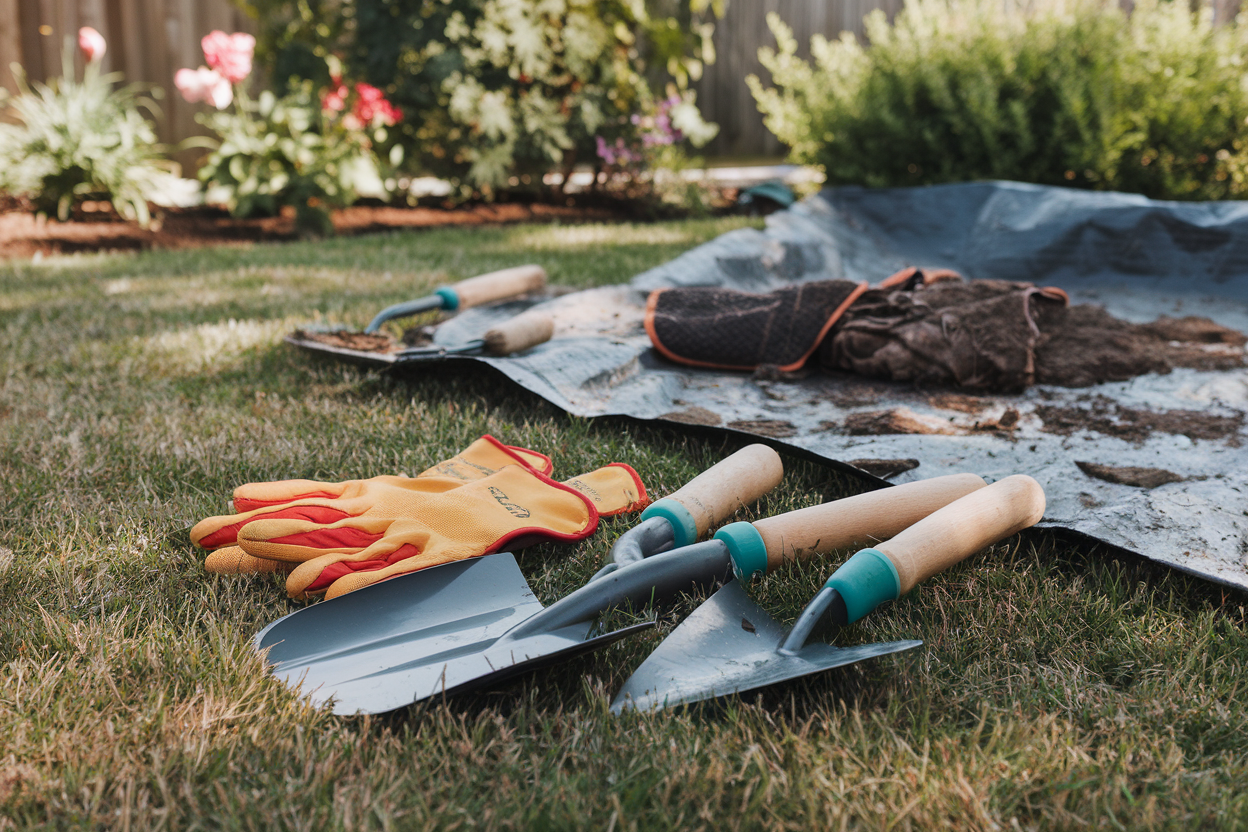
Essential garden tools for creating a flower bed edge
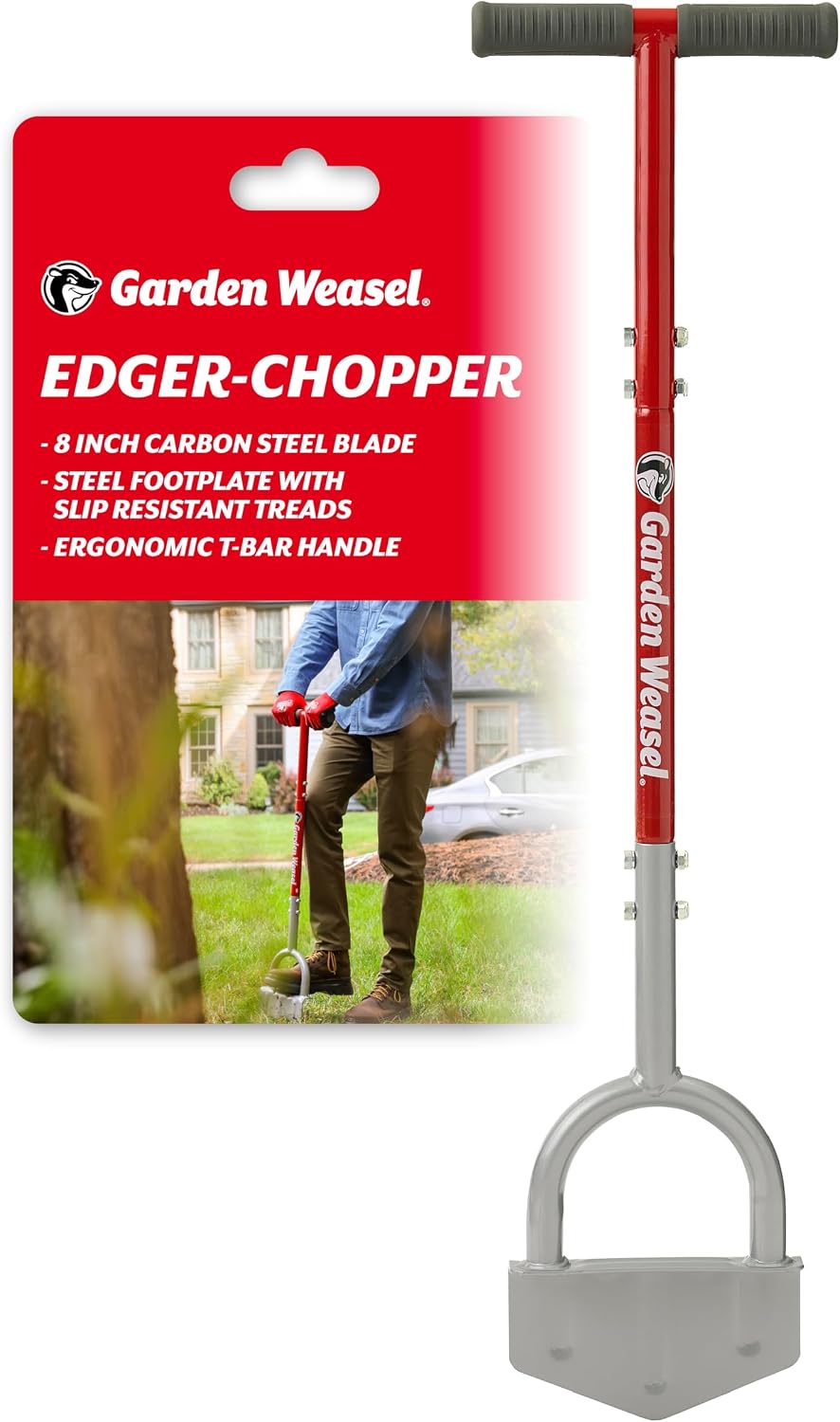
Garden Weasel Edger Chopper Lawn Tool for Garden Beds and Sidewalks

Garden Weasel Edger Chopper Lawn Tool for Garden Beds and Sidewalks

Shop on Amazon
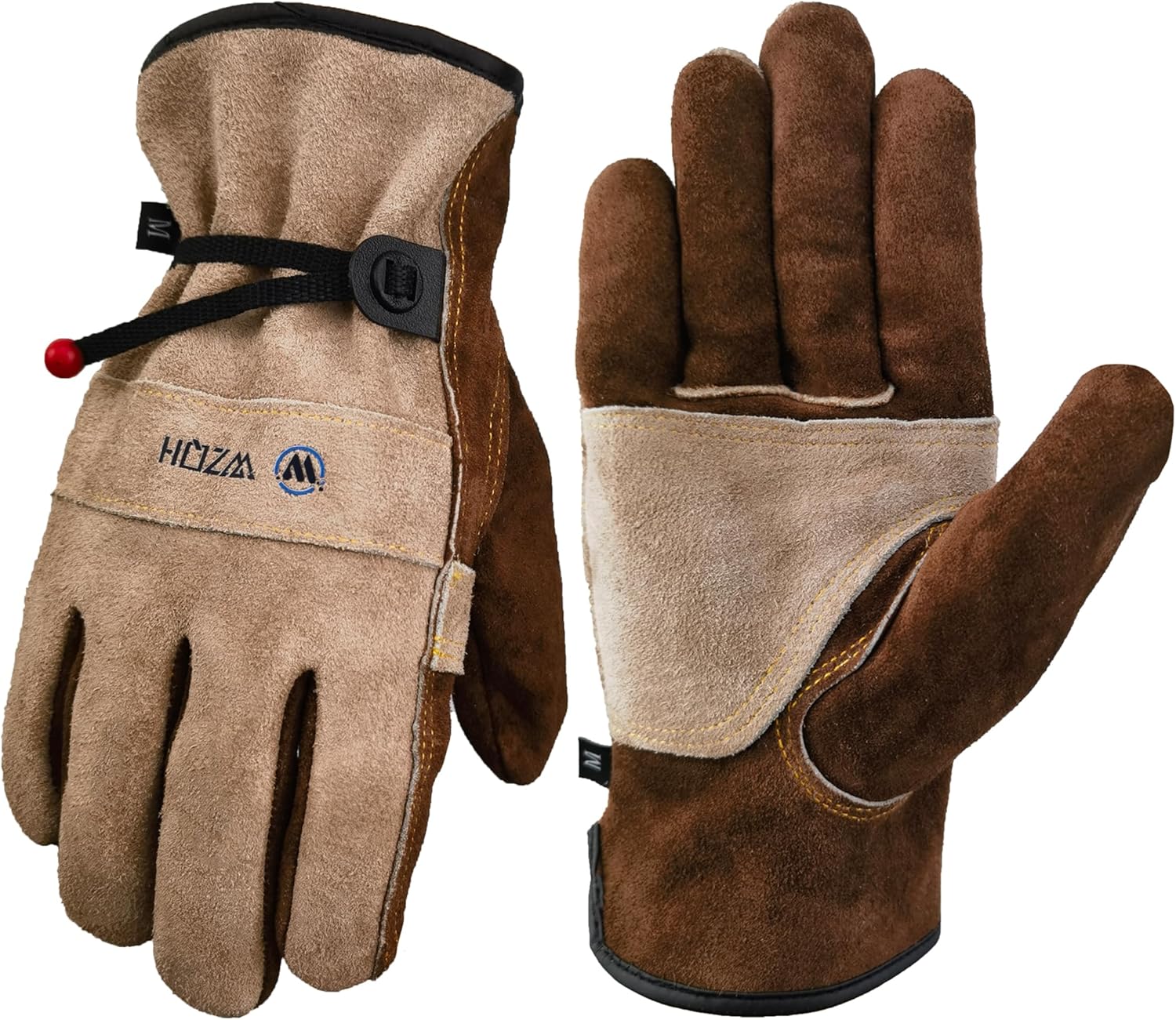
WZQH Leather Work Gloves for Gardening and Welding, Coffee Grey

WZQH Leather Work Gloves for Gardening and Welding, Coffee Grey

Shop on Amazon

Why Bother With an Edge at All

A defined edge is what actually stops grass from creeping into a bed and mulch from drifting onto the lawn — it's function first, aesthetics second.

It's also one of the fastest ways to make an entire garden look more maintained, even before anything else in the bed gets touched.
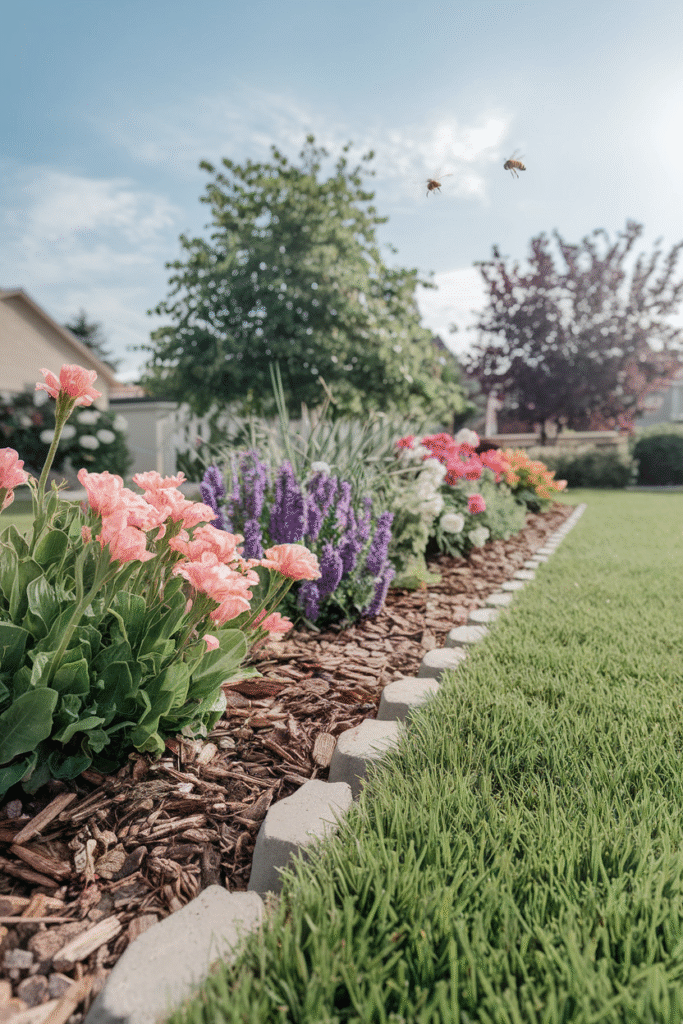
Well-defined flower bed edge improving the garden's overall look
Metal Garden Edging, 20 ft, 40 Inch Sections, 6 Pack, Black Landscape Border

Metal Garden Edging, 20 ft, 40 Inch Sections, 6 Pack, Black Landscape Border

Shop on Amazon
WORX WG896 Electric Lawn Edger and Trencher, 12 Amp, 7.5 Inch

WORX WG896 Electric Lawn Edger and Trencher, 12 Amp, 7.5 Inch

Shop on Amazon

Planning Before Digging

Marking the intended line with a hose or rope before cutting anything lets the shape get adjusted freely, with zero commitment, before a single shovel touches the ground.

Standing back and viewing the marked line from a distance, not just up close, catches awkward curves that are hard to see while standing right next to them.
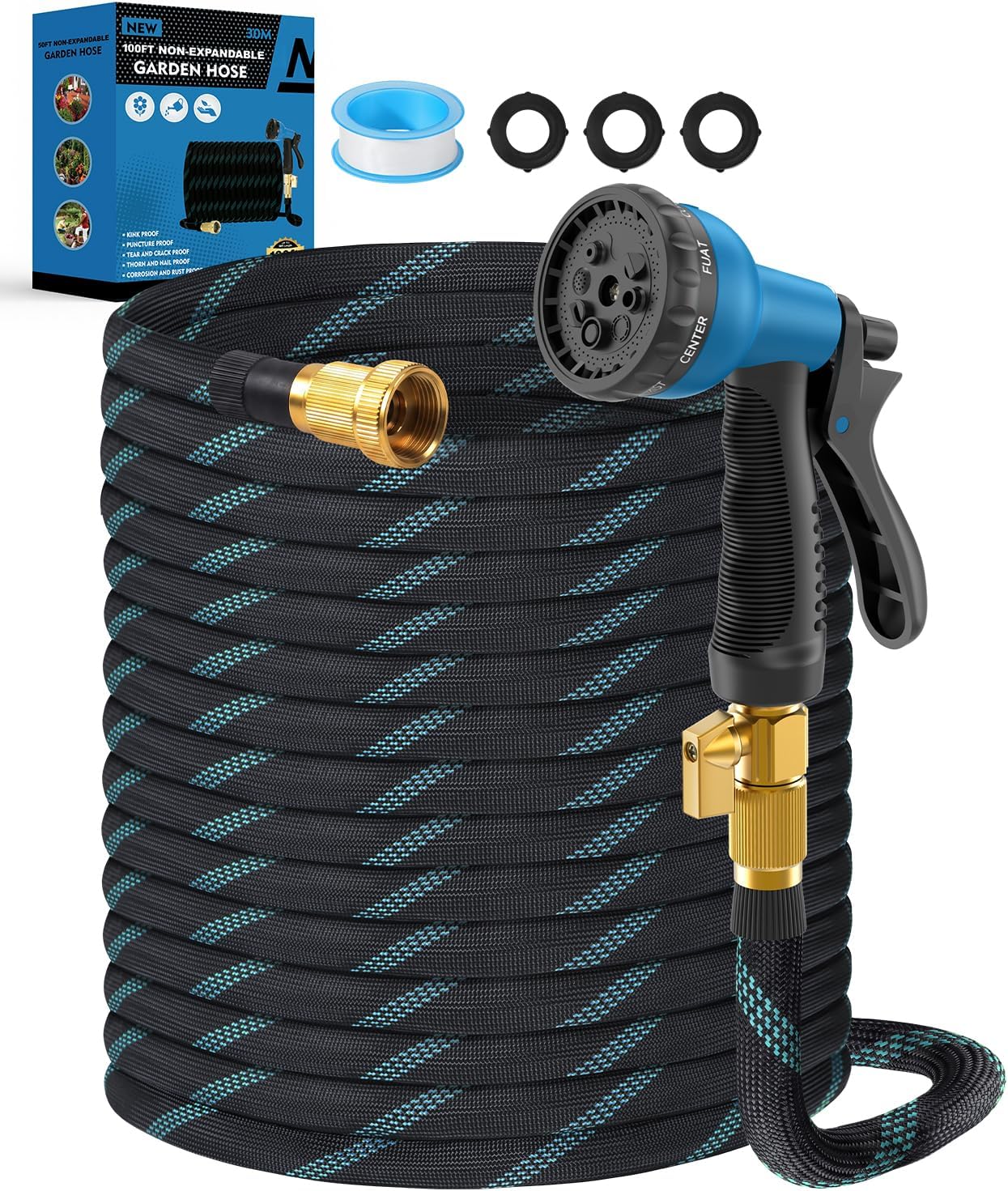
100 ft Burst-Resistant Garden Hose with 8-Mode Nozzle, 3/4 Inch

100 ft Burst-Resistant Garden Hose with 8-Mode Nozzle, 3/4 Inch

Shop on Amazon
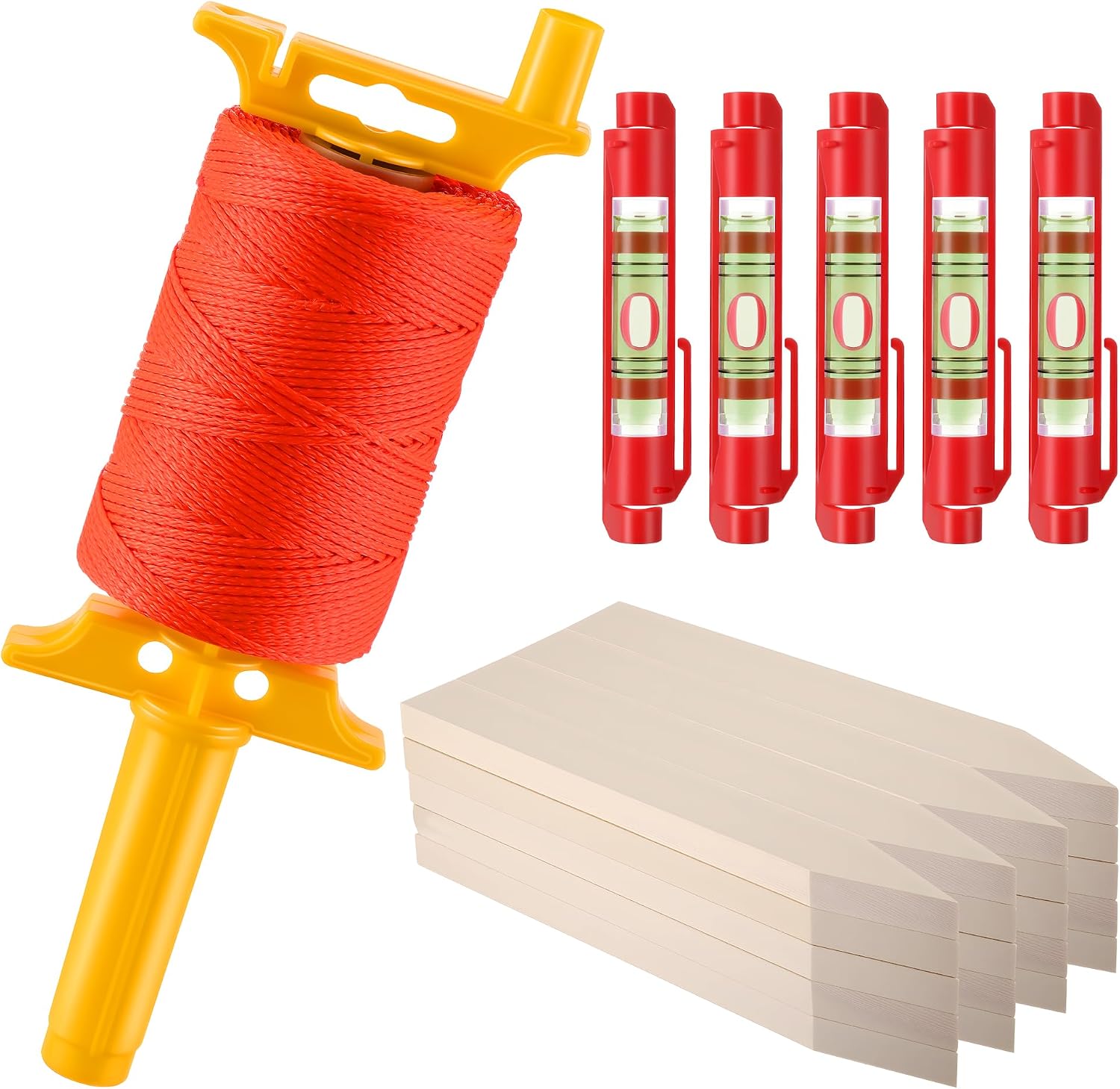
Wooden Garden Stakes, 20 Pcs, 12 Inch, with Mason Line String and Handle

Wooden Garden Stakes, 20 Pcs, 12 Inch, with Mason Line String and Handle

Shop on Amazon

The Tools That Actually Matter

A half-moon edger or a flat spade, a garden hose for marking curves, and a basic pair of gloves cover genuinely everything required — no specialized equipment needed.

A string line and stakes help keep straight sections honest, where a hose is more useful for anything curved.
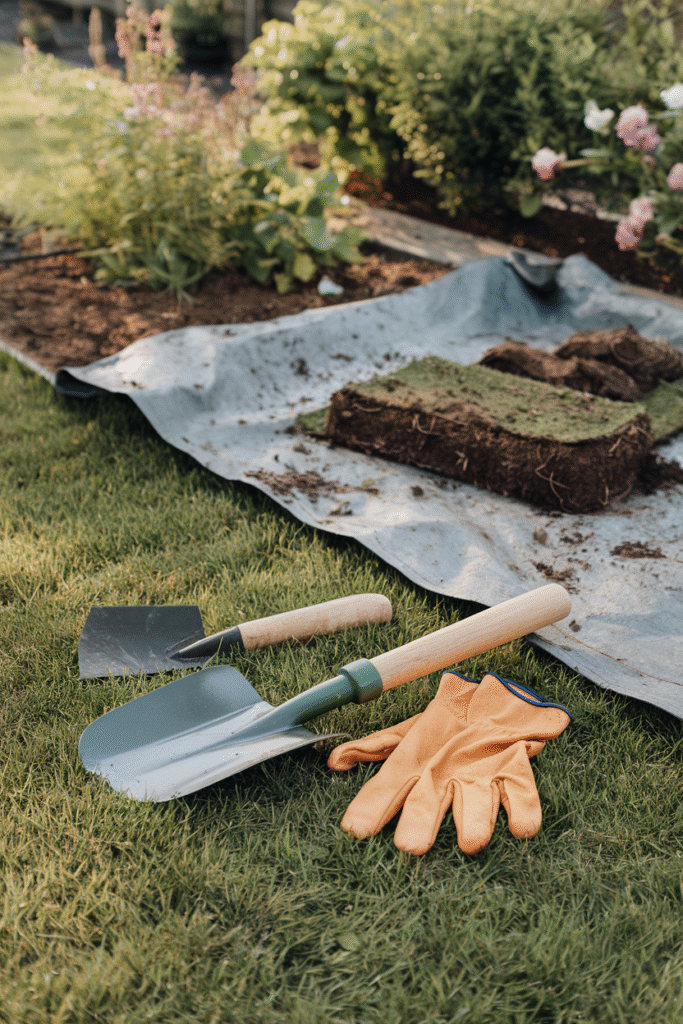
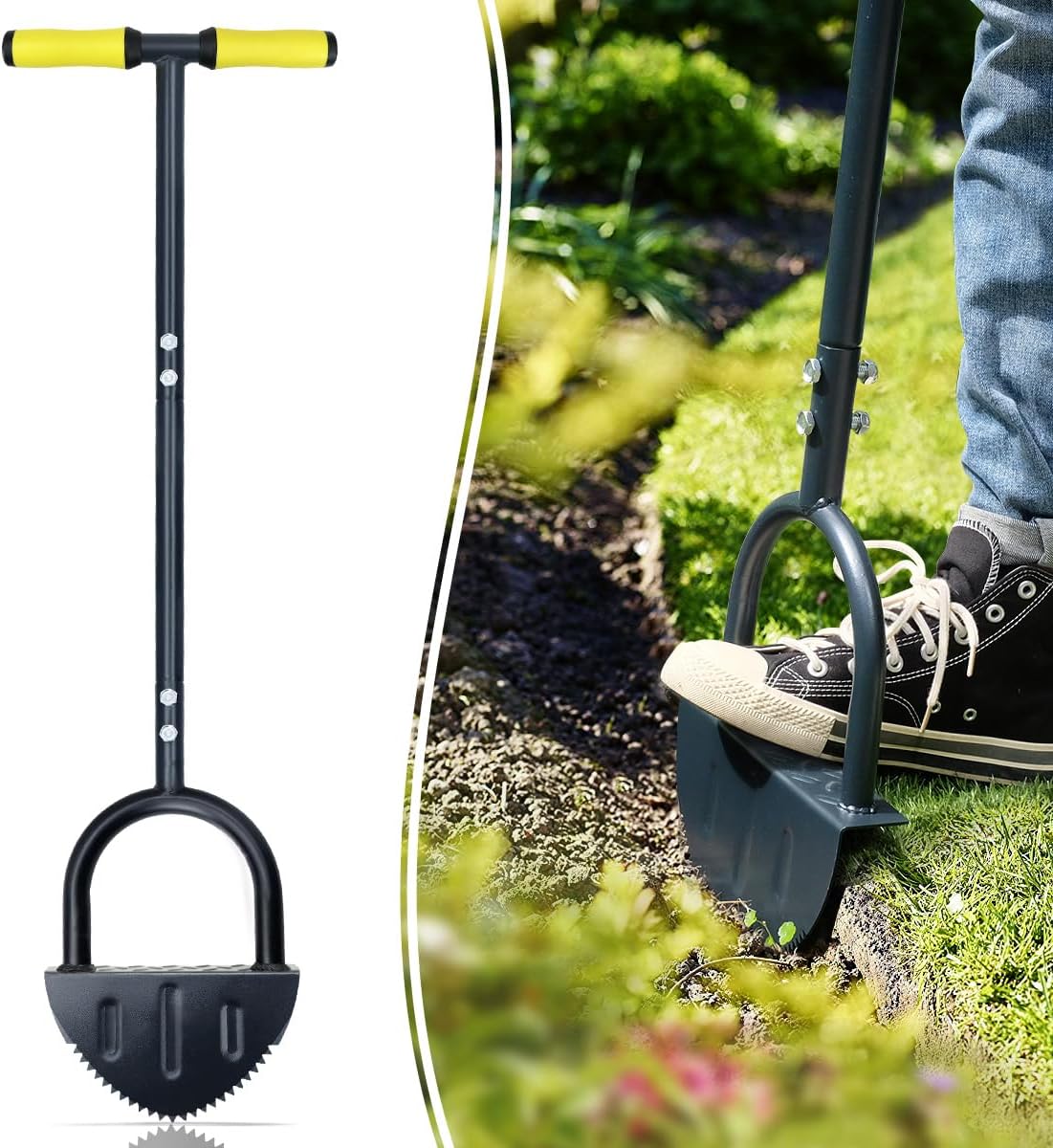
Basic garden tools needed for edging a flower bed
Colwelt Saw-Tooth Half Moon Lawn Edger Tool with T-Grip, Long Handled

Colwelt Saw-Tooth Half Moon Lawn Edger Tool with T-Grip, Long Handled

Shop on Amazon
Ashman Spade Shovel with 41 Inch D Handle Grip

Ashman Spade Shovel with 41 Inch D Handle Grip

Shop on Amazon

Digging the Edge

A clean, angled cut — roughly 45 degrees, several inches deep — creates a defined trench that physically separates the bed from the lawn, not just a visual line.

Working in small sections, rather than trying to dig the entire perimeter in one pass, keeps the cut consistent throughout.

41 Inch Border Edger Lawn Tool with Tempered Spring Steel Blade

41 Inch Border Edger Lawn Tool with Tempered Spring Steel Blade

Shop on Amazon
Manual Rotary Lawn Edger Tool, 75 Inch, Extra-Wide Wheel

Manual Rotary Lawn Edger Tool, 75 Inch, Extra-Wide Wheel

Shop on Amazon

Smoothing and Shaping

Cleaning up the cut edge after the initial dig — removing loose soil, straightening any wobble in the line — is what separates a rough first pass from a genuinely finished edge.

This step is easy to rush, but it's the difference between an edge that reads as deliberate and one that reads as merely attempted.

Adjustable Metal Leaf Rake, Long Handle, Heavy Duty, Expandable Head

Adjustable Metal Leaf Rake, Long Handle, Heavy Duty, Expandable Head

Shop on Amazon
Fiskars Ergo Garden Trowel, Heavy Duty Hand Tool for Digging and Planting

Fiskars Ergo Garden Trowel, Heavy Duty Hand Tool for Digging and Planting

Shop on Amazon

Mulching the Edge

A layer of mulch along the freshly cut edge finishes the look and helps the line hold its shape longer before the next maintenance pass.

Bare dirt along a fresh edge looks unfinished even when the cut itself is clean — mulch is what makes the whole thing read as complete.

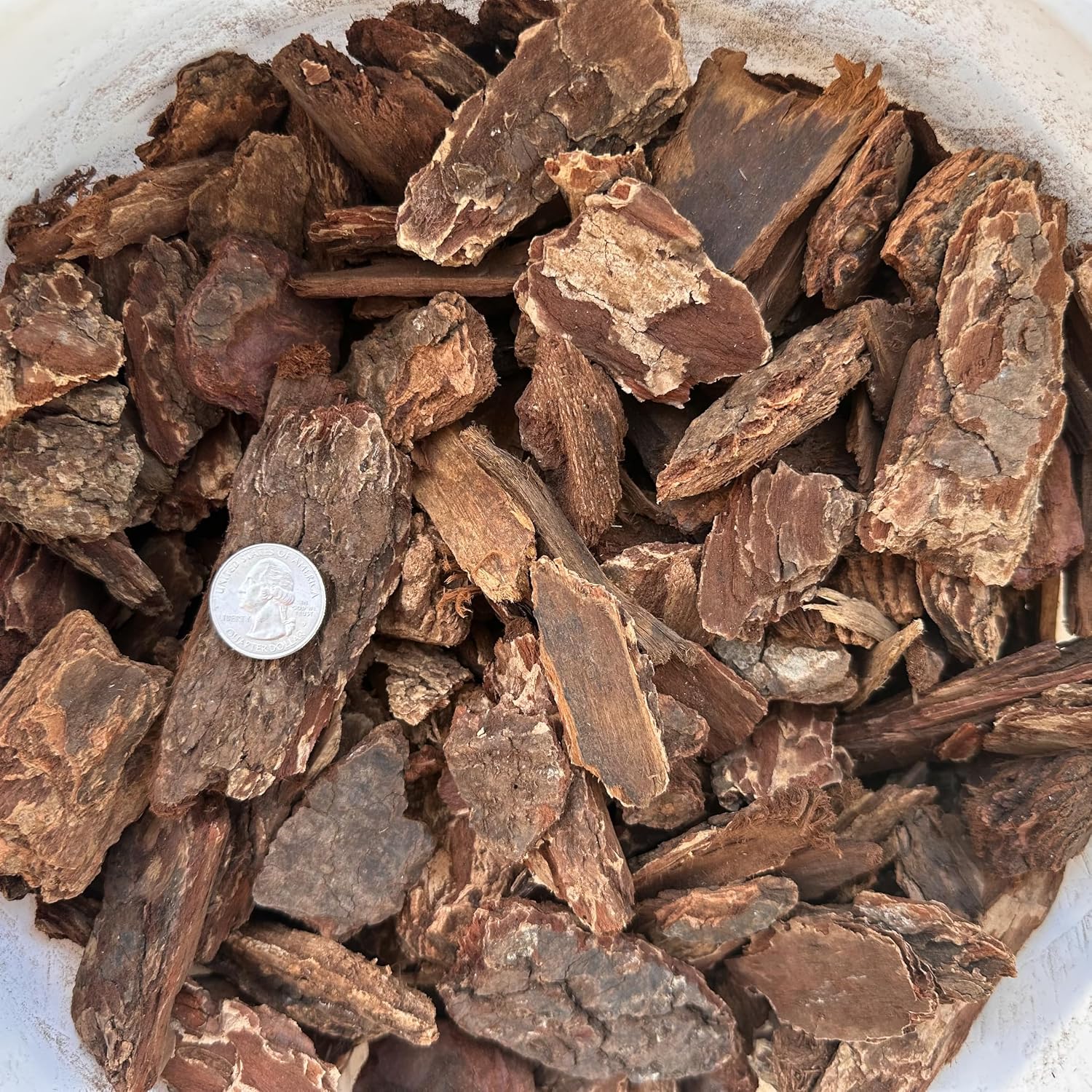
Heavy-Duty 2-Ply Yard Waste Paper Bags, 30 Gallon, with Gardening Glove

Heavy-Duty 2-Ply Yard Waste Paper Bags, 30 Gallon, with Gardening Glove

Shop on Amazon
Fresh Natural Douglas Fir Bark Mulch Nuggets, 1 Cubic Foot, 34 qt

Fresh Natural Douglas Fir Bark Mulch Nuggets, 1 Cubic Foot, 34 qt

Shop on Amazon

Keeping the Edge Maintained

A quick re-cut every few weeks during the growing season keeps grass from creeping back across the line, which happens faster than most people expect.

This maintenance habit matters more for a soil-cut edge than for a hard material edge, since there's nothing physically blocking regrowth beyond the clean line itself.

Half Moon Lawn Edger Tool with T-Grip Handle, 37 Inch

Half Moon Lawn Edger Tool with T-Grip Handle, 37 Inch

Shop on Amazon
BLACK+DECKER 14 Inch 2-in-1 String Trimmer and Lawn Edger, Auto Feed, 6.5 Amp

BLACK+DECKER 14 Inch 2-in-1 String Trimmer and Lawn Edger, Auto Feed, 6.5 Amp

Shop on Amazon

Choosing a Style for the Garden

A soft, curved edge suits a cottage or informal garden; a crisp, straight edge suits a more modern or formal layout.

This decision should echo the rest of the garden's existing lines — an edge style that fights the garden's overall shape reads as an afterthought rather than a considered choice.
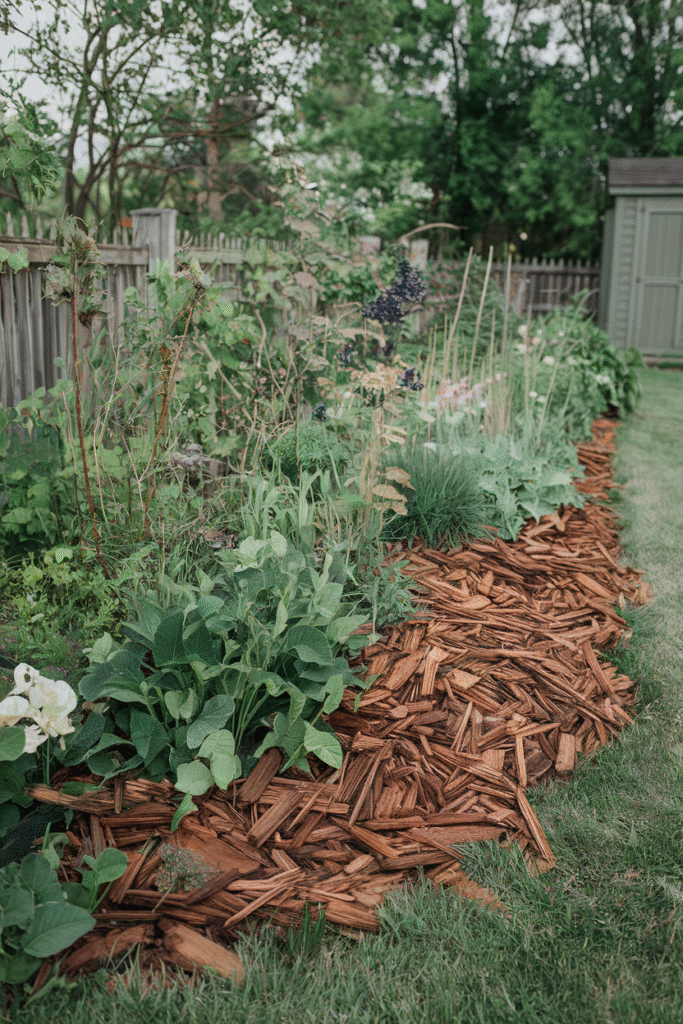
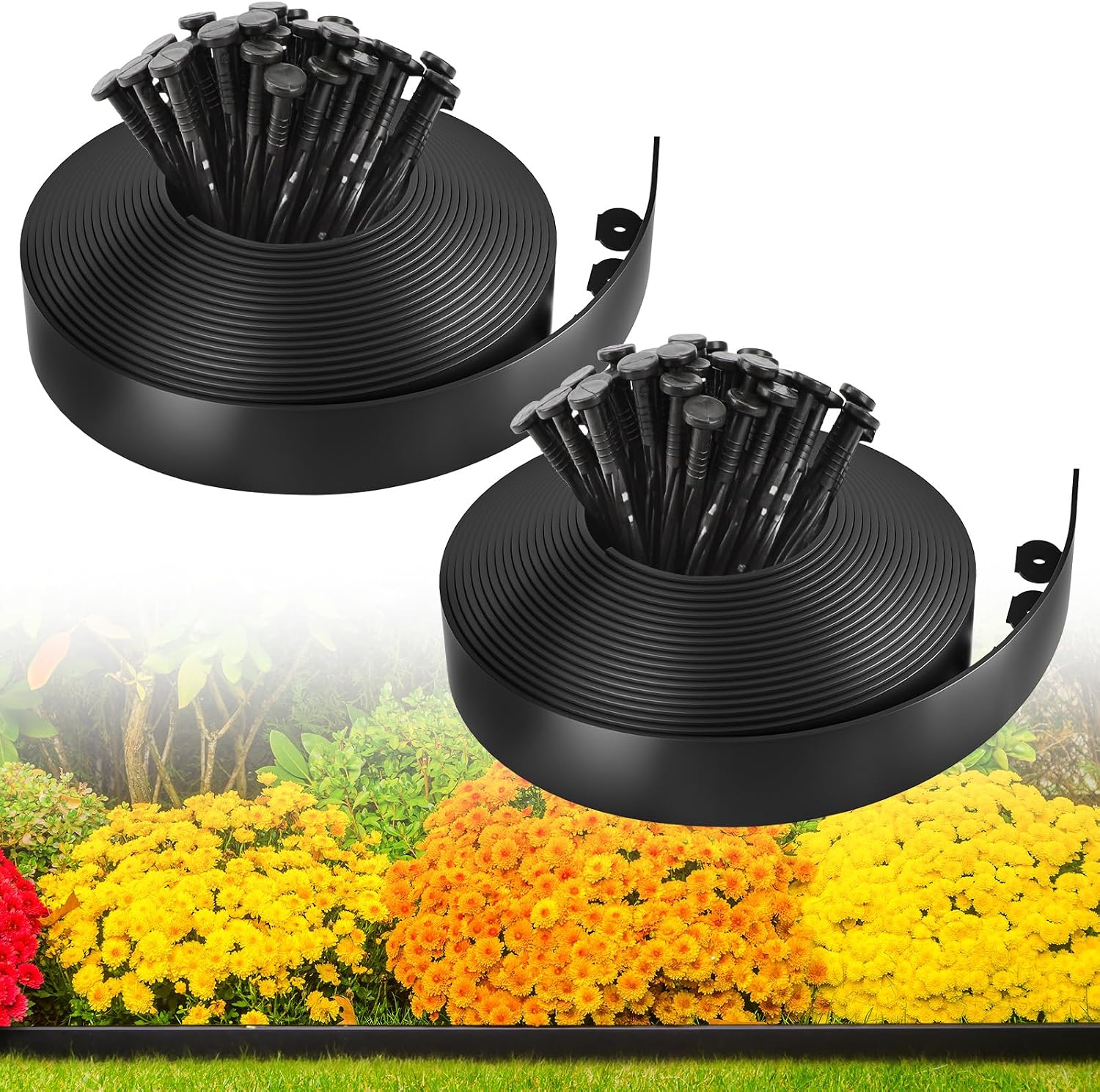
Choosing the right edging style to match the garden's character
MIXC Plastic Landscape Garden Edging Border, 100 ft, 2 Inch Tall, with 150 Stakes

MIXC Plastic Landscape Garden Edging Border, 100 ft, 2 Inch Tall, with 150 Stakes

Shop on Amazon
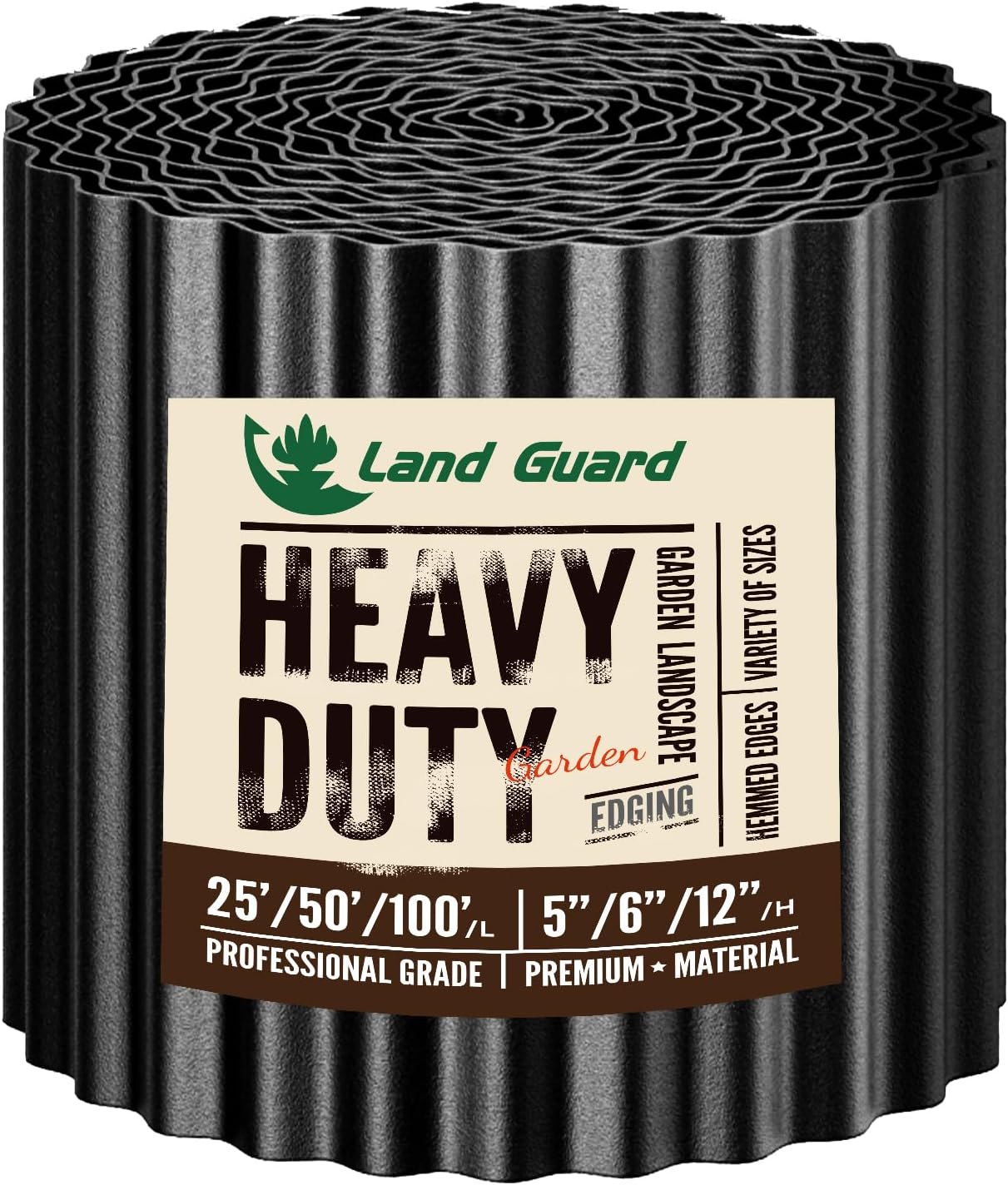
Land Guard Corrugated Garden Edging Border, 6 Inch x 50 ft, Heavy Duty

Land Guard Corrugated Garden Edging Border, 6 Inch x 50 ft, Heavy Duty

Shop on Amazon

Go Forth and Edge With Confidence

None of this requires special skill, just patience through the planning and digging stages.

Mark the line, dig it cleanly, and maintain it regularly — the technique matters more than any tool or material choice that comes after it.