
A farmhouse kitchen table is the one piece of furniture the whole room gets arranged around.
The style, wood tone and base shape all change how the table reads, even within the broad "farmhouse" category.
These 15 styles cover the range worth considering before settling on one.

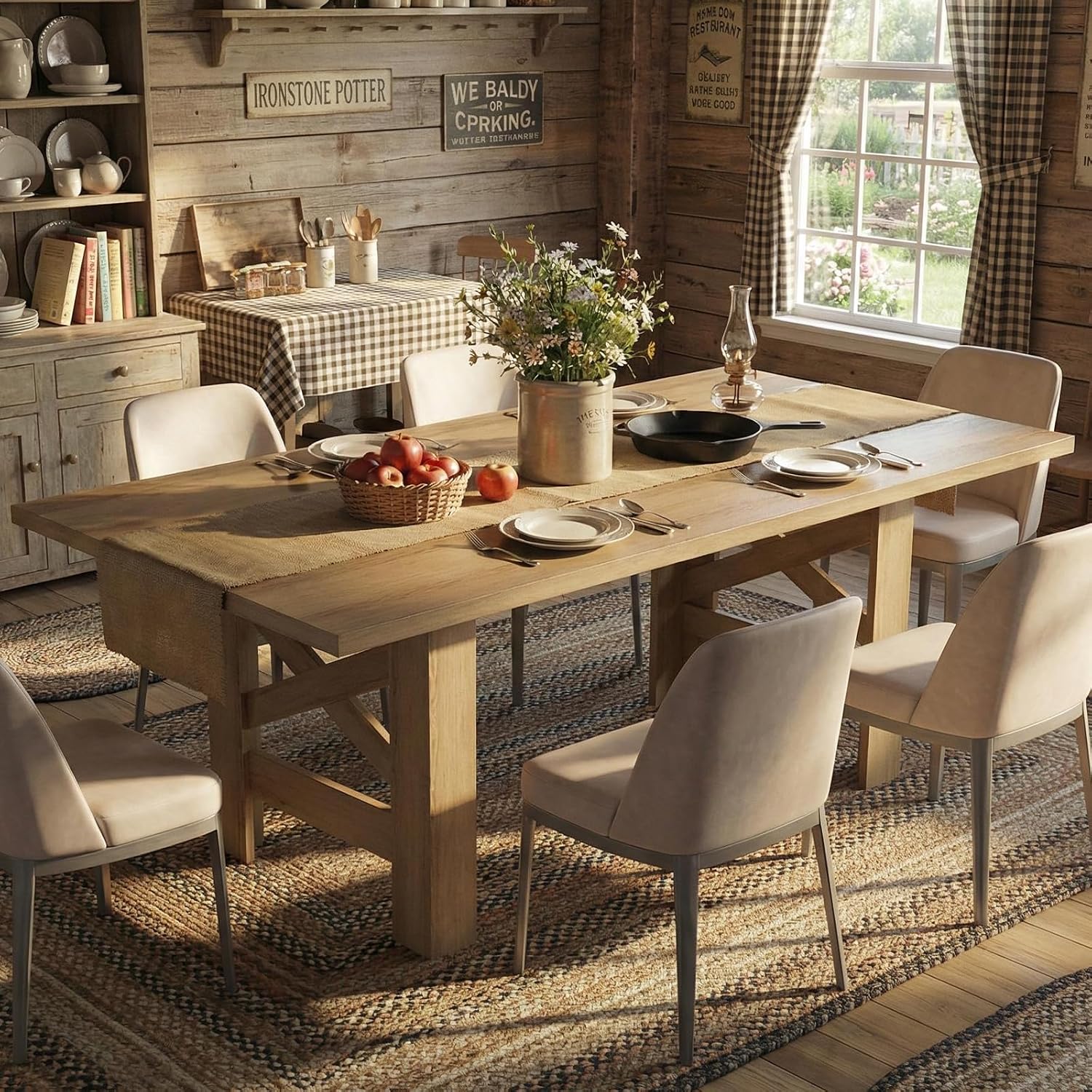

Why the Table Sets the Tone
Everything else in a farmhouse kitchen — the chairs, the lighting above, even the rug underneath — gets chosen in response to the table, not the other way around.
Getting this one piece right makes every other decision in the room easier.


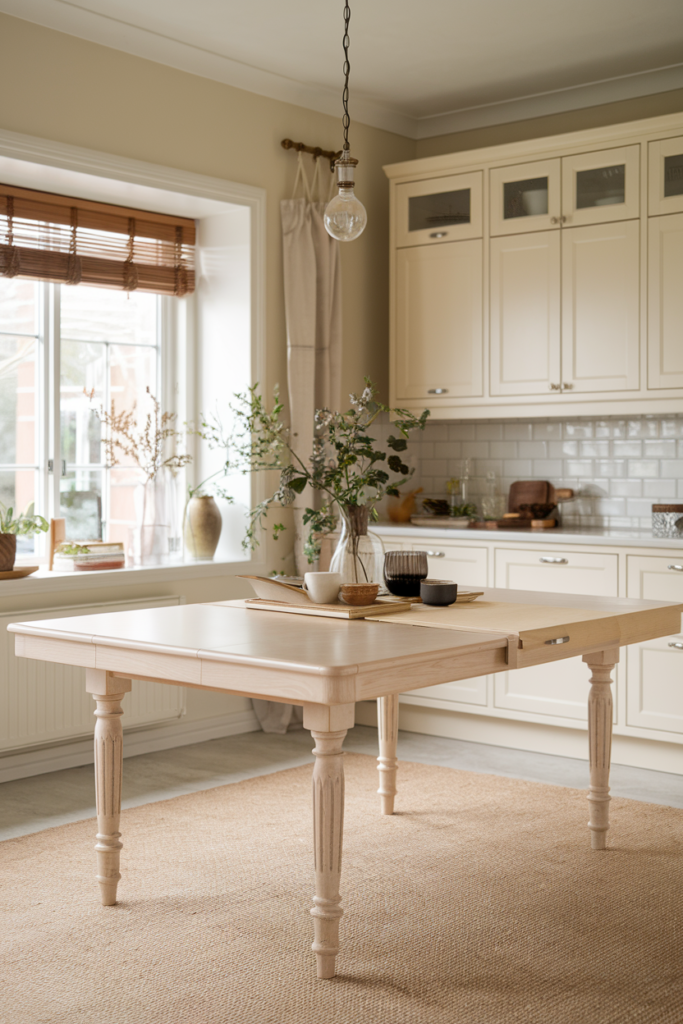
1. Spindle-Leg Extendable
A light wood table with a turned spindle-leg base brings a traditional farmhouse silhouette that still reads as functional for everyday use.
An extendable top adds real flexibility for a table that needs to handle both daily meals and larger gatherings.


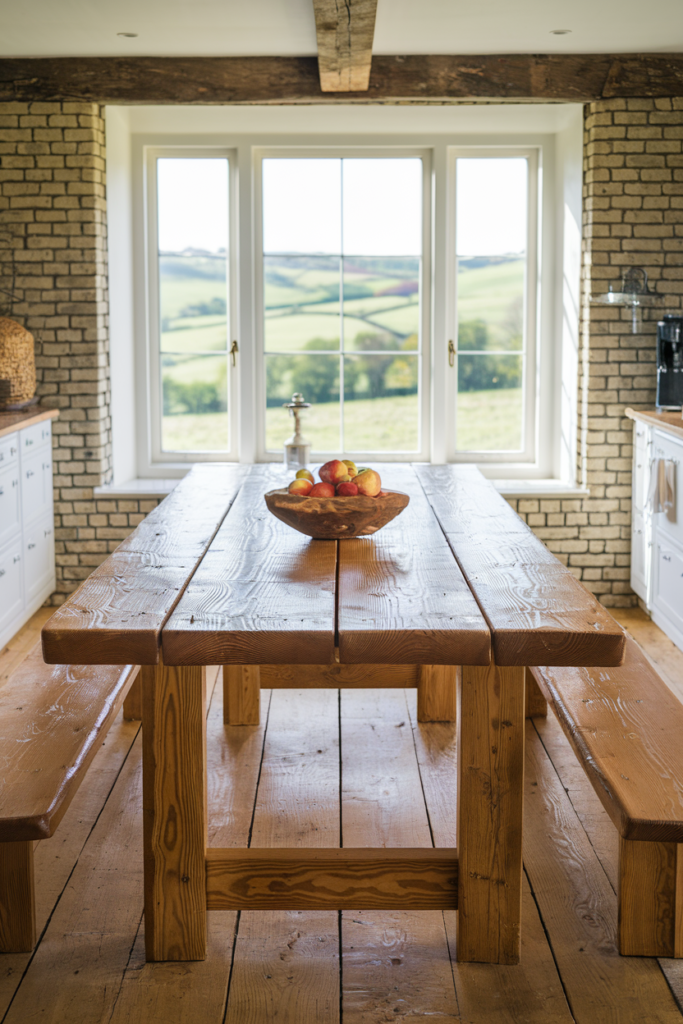
2. Rustic Oak
Solid oak with visible grain and a slightly distressed finish brings real warmth and texture to the table's surface.
This style tends to age well, picking up character over years of actual use rather than looking worn out.


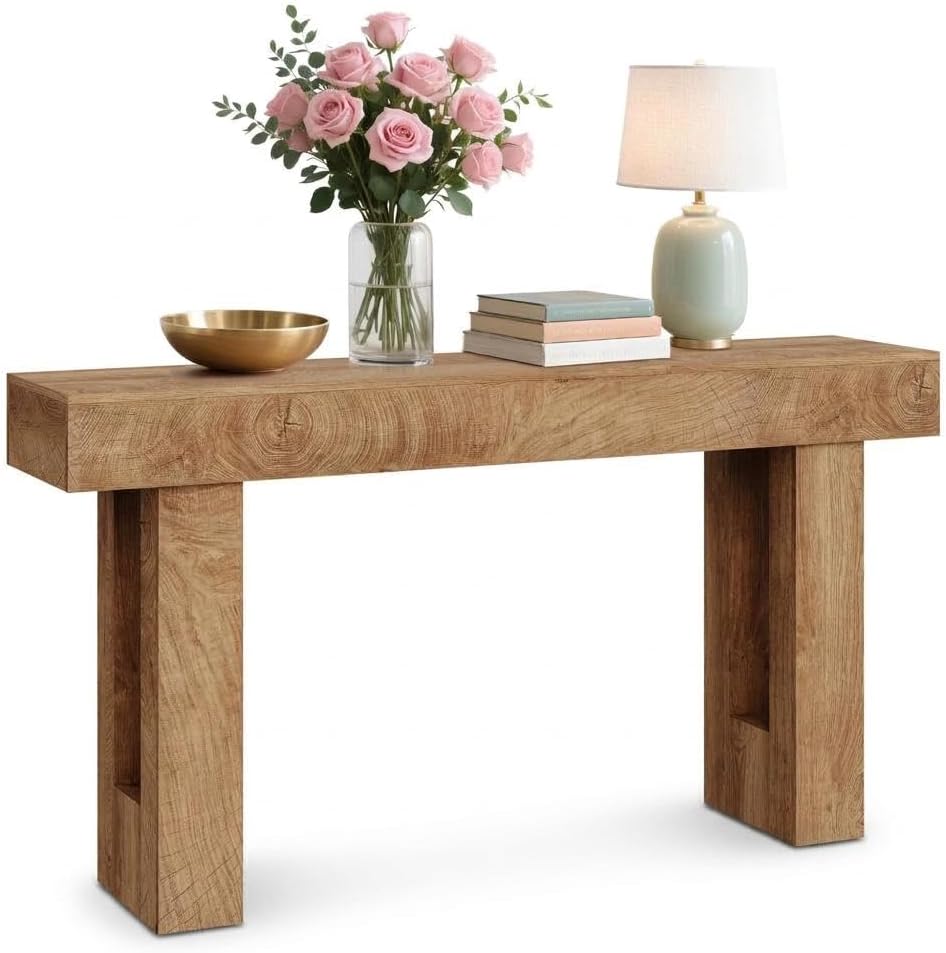
3. Classic Farmhouse Silhouette
A thick tabletop, simple straight legs, and a slightly chunky overall proportion define the most traditional version of this style.
This is the safest, most versatile choice for anyone wanting an unmistakably farmhouse table without a more specific stylistic lean.


4. Painted Two-Tone
A painted base — often white, cream or sage — paired with a natural wood top creates visual contrast within one piece.
This works especially well in a kitchen that's otherwise fairly neutral, giving the table a bit more presence.

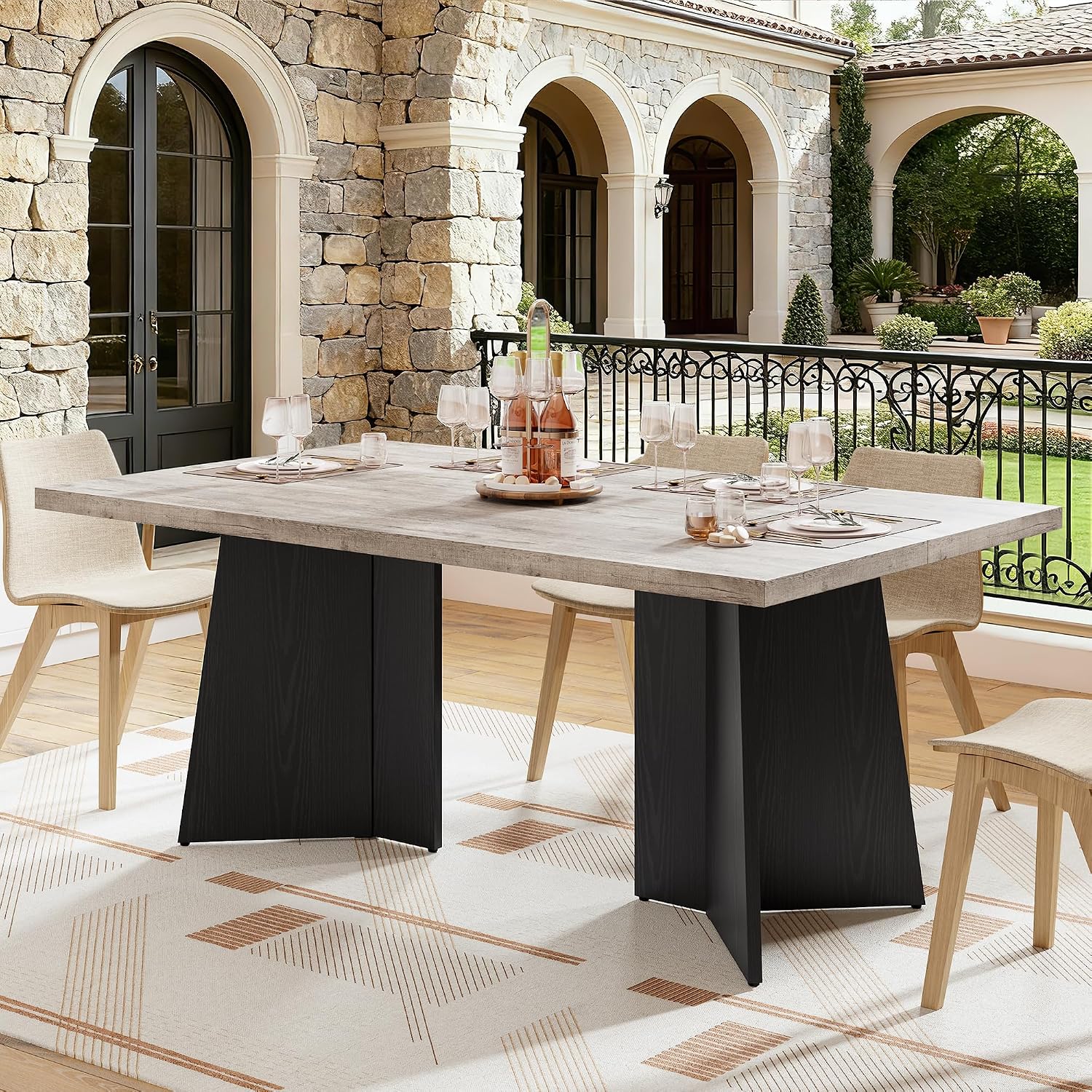

5. Modern Farmhouse
Cleaner lines, a flatter tabletop edge, and a less ornate base bring this style closer to contemporary furniture while keeping farmhouse's warmth.
This suits a kitchen that's blending farmhouse with a more modern overall design.


6. Scandinavian-Inspired
A lighter wood tone, slimmer legs and a more minimal overall shape bring a Scandinavian sensibility into the farmhouse category.
This works well for a smaller kitchen, where a heavier, chunkier table might feel like too much.


7. Handmade Extending
A table built with a visible handmade quality — slightly uneven edges, obvious joinery — brings real character that a mass-produced piece can't replicate.
An extending mechanism built into a handmade piece adds function without losing that artisanal feel.


8. Dark, Moody Finish
A deep espresso or near-black stain brings real drama to a farmhouse table, working especially well in a kitchen that's leaning into a moodier overall palette.
This finish also tends to hide daily wear better than a lighter one.

9. Weathered Oak
A deliberately weathered, almost driftwood-like finish brings a coastal-farmhouse crossover feel that pure traditional farmhouse doesn't have.
This works well paired with lighter, airier kitchen decor overall.
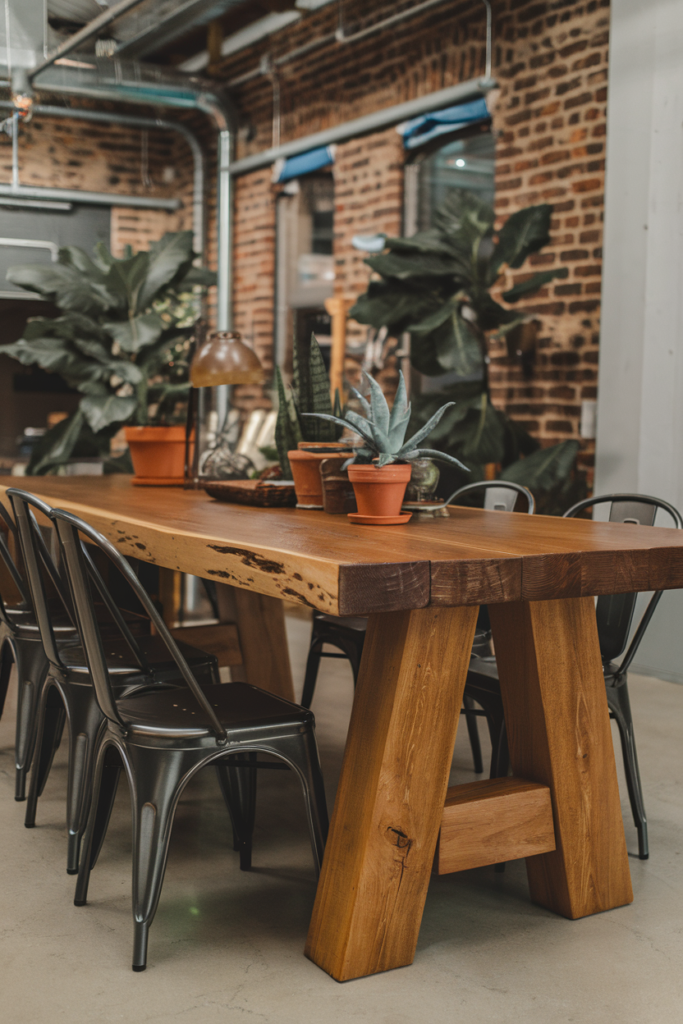

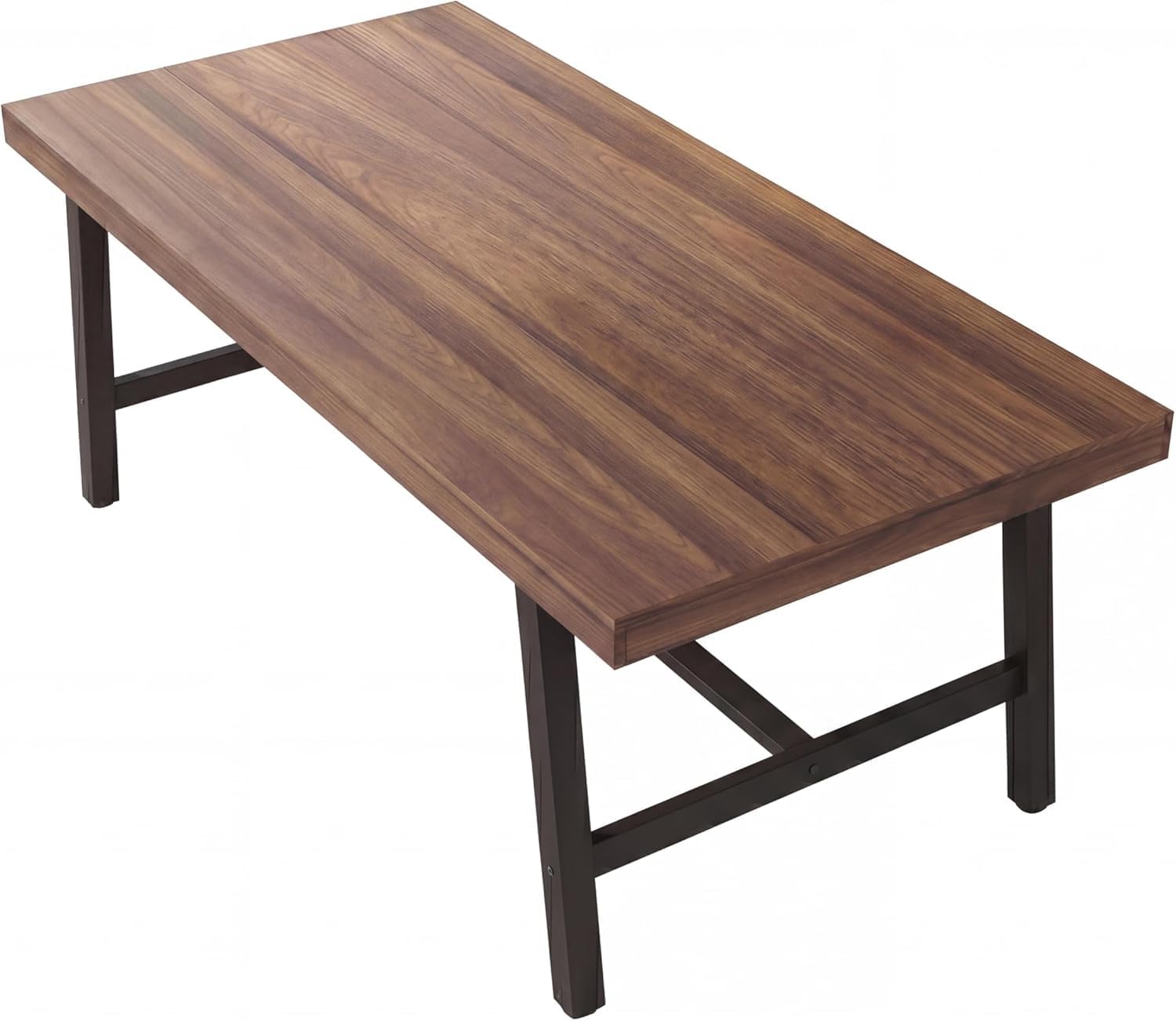
10. Trestle Base
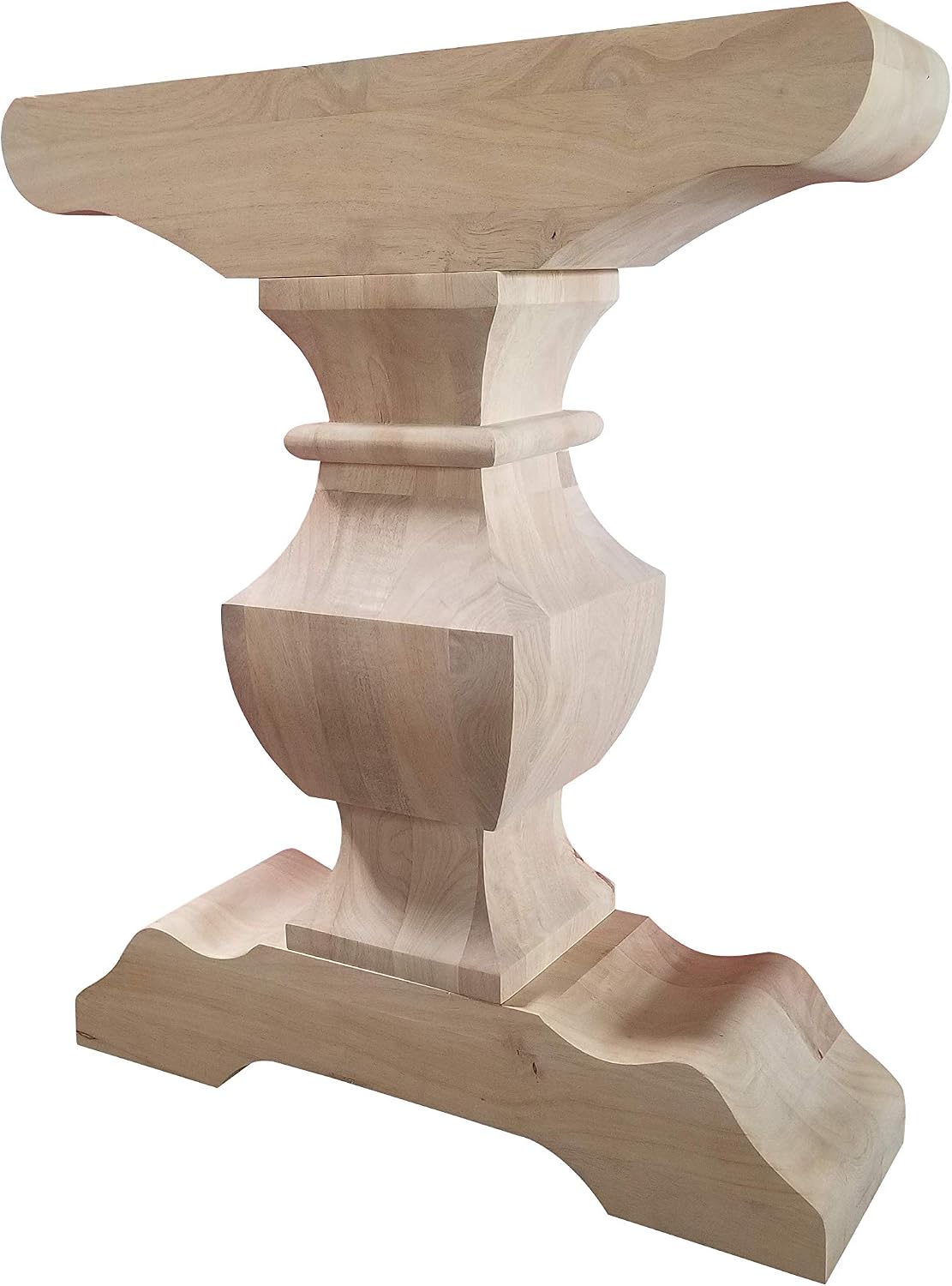
A trestle-style base — two solid end supports connected by a stretcher — brings real structural presence and a slightly more architectural look.
This base style also tends to leave more legroom than a four-leg design, which matters for a table that seats a crowd.


11. Reclaimed Wood
A tabletop built from genuinely reclaimed lumber carries real history and visible variation that new wood, however well-finished, can't match.
This is one of the more sustainable choices in the category, since it repurposes existing material rather than new lumber.


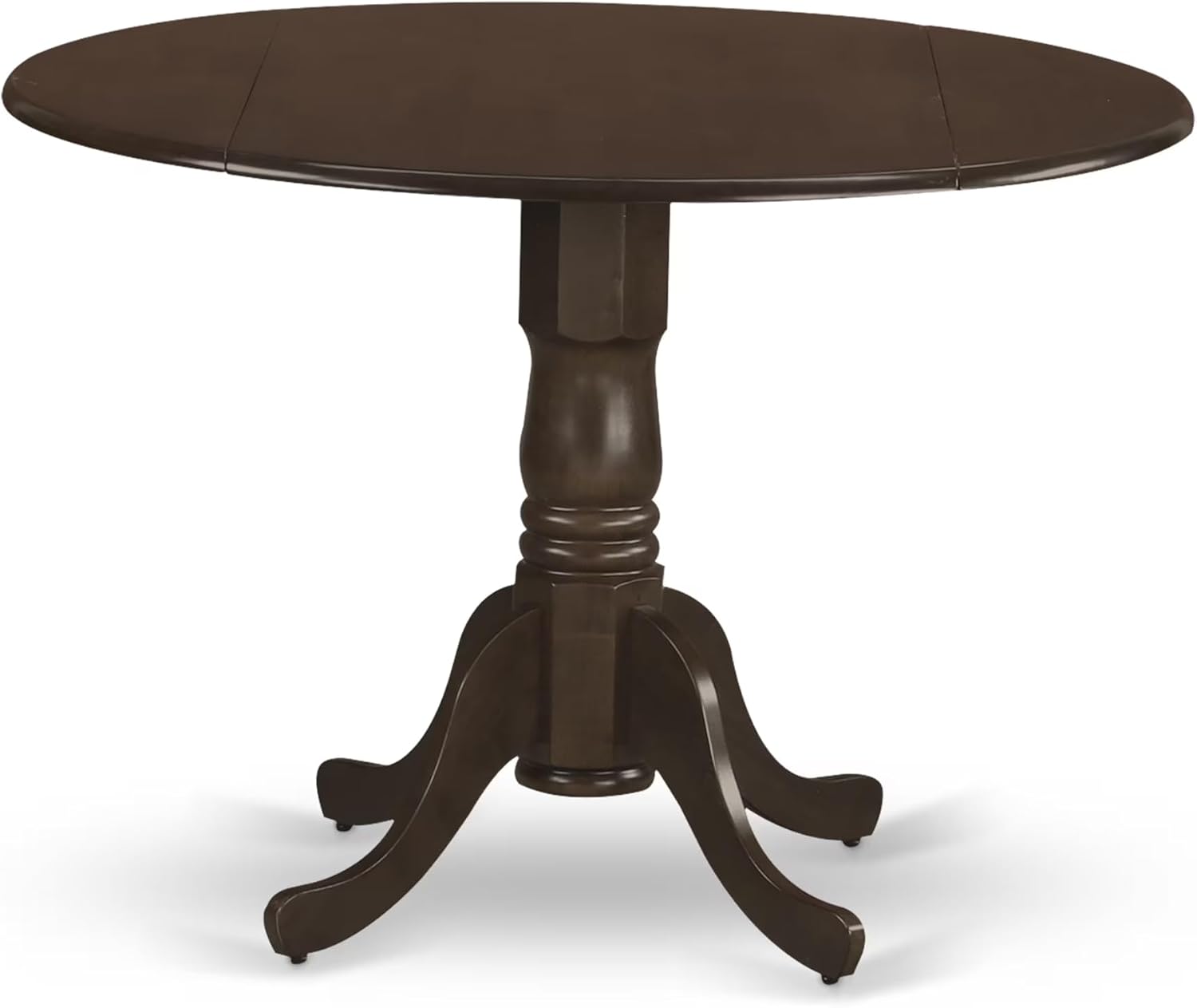
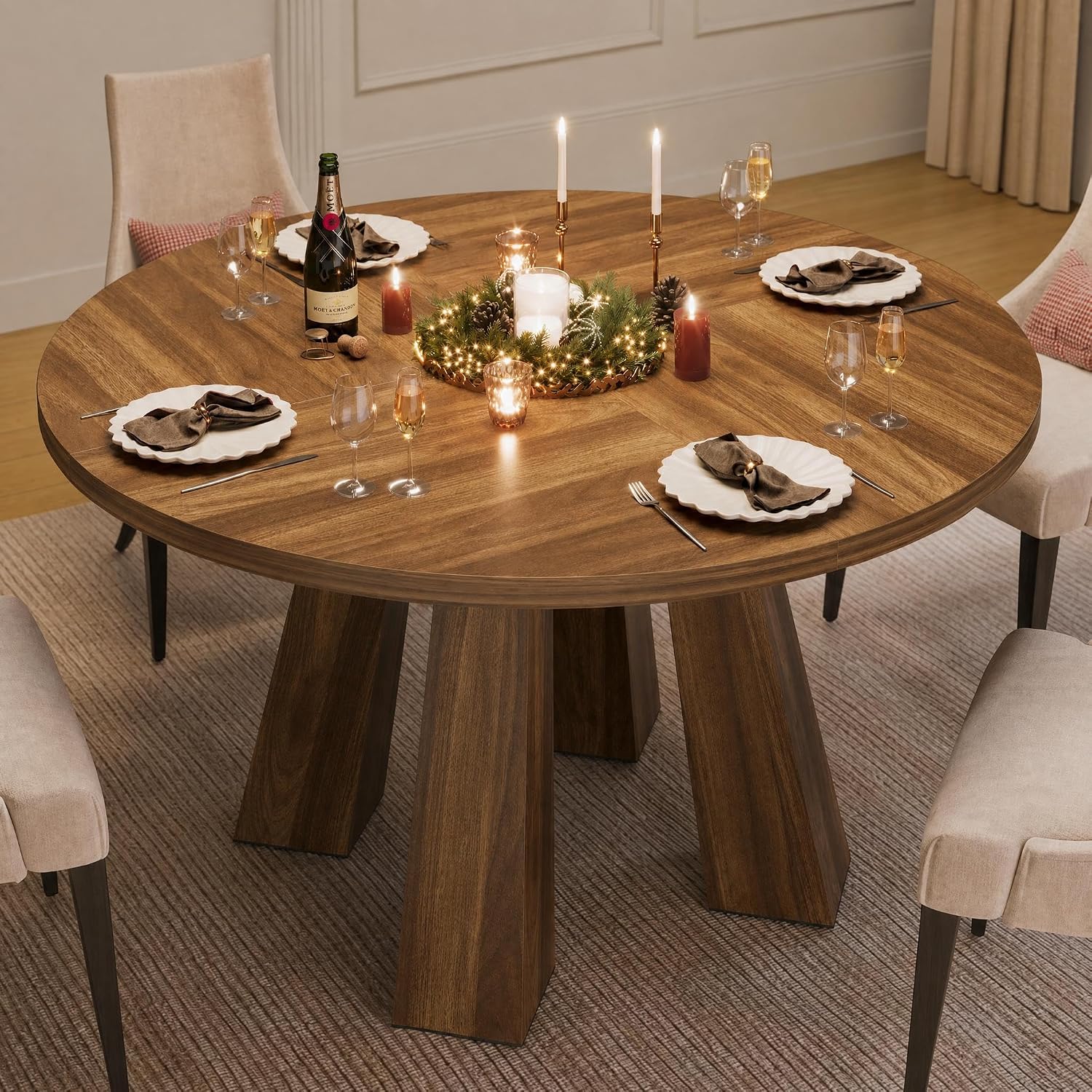
12. Compact Round
A round farmhouse table in a smaller diameter suits a tighter kitchen or breakfast nook better than a long rectangular version.
This shape also naturally encourages conversation, since everyone seated faces more toward the center.

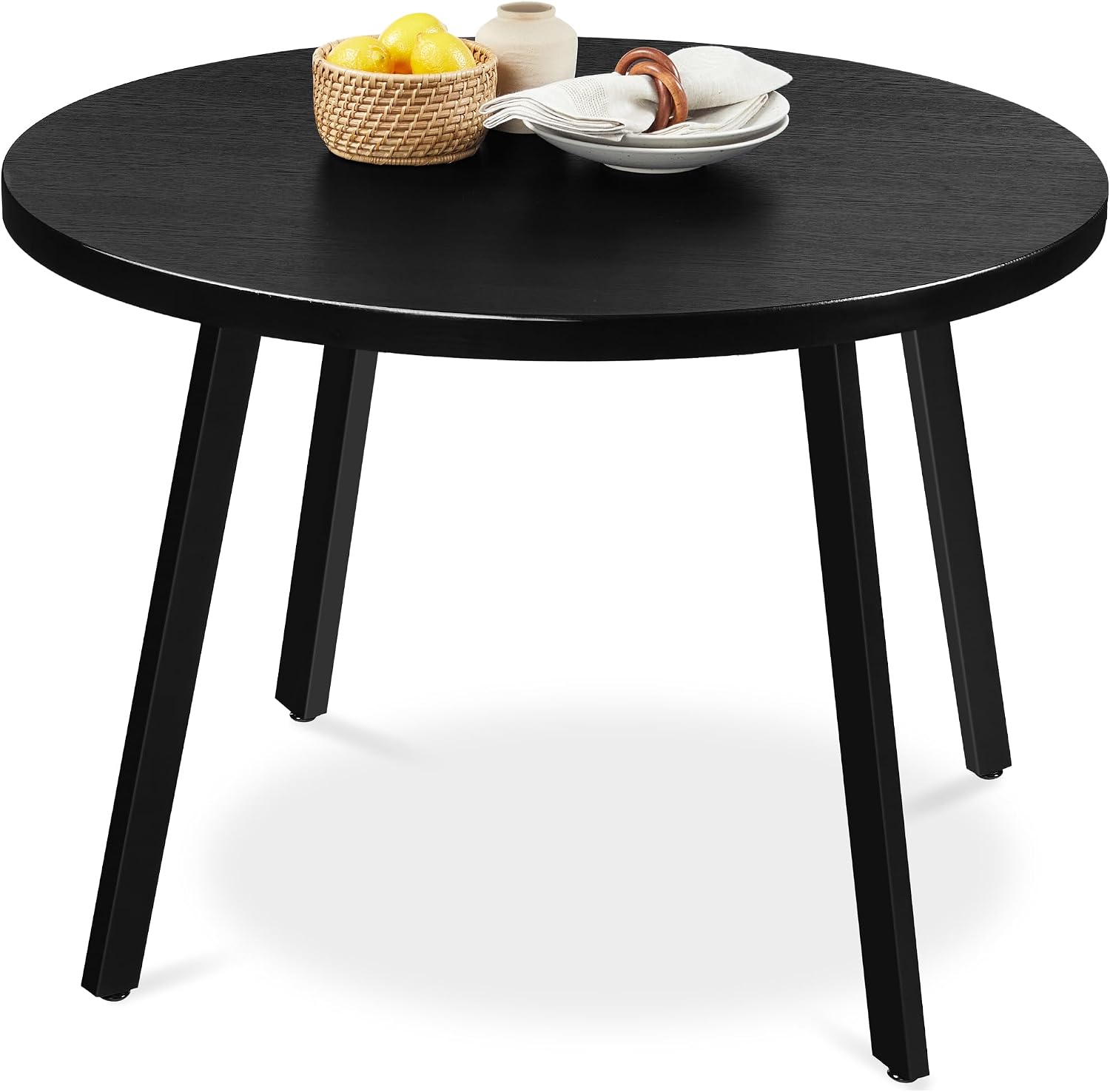
13. Soft Curved-Edge
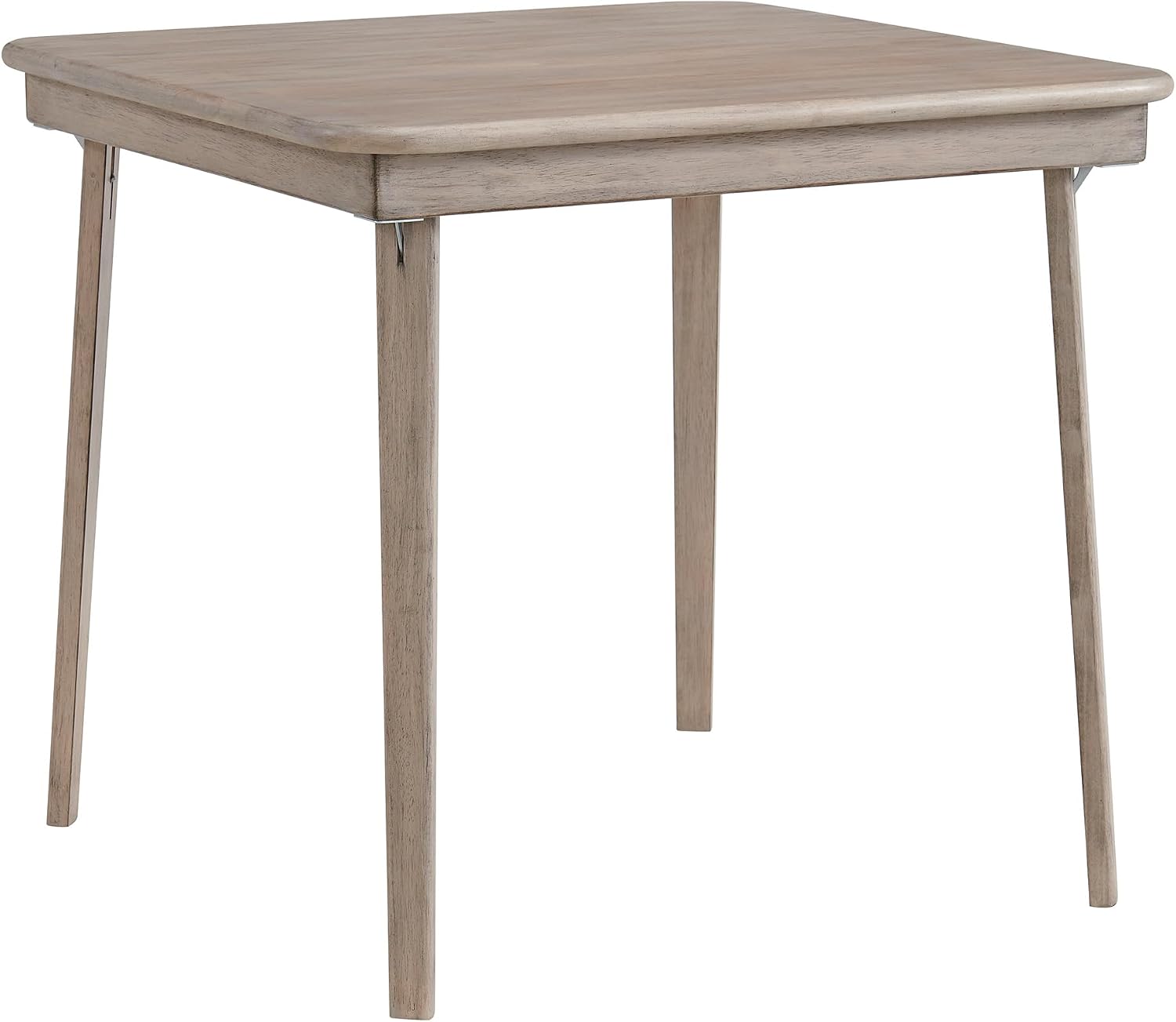
A tabletop with gently rounded or curved corners softens the otherwise boxy farmhouse silhouette.
This detail matters more in a smaller kitchen, where sharp corners on a large piece of furniture are a real practical concern.
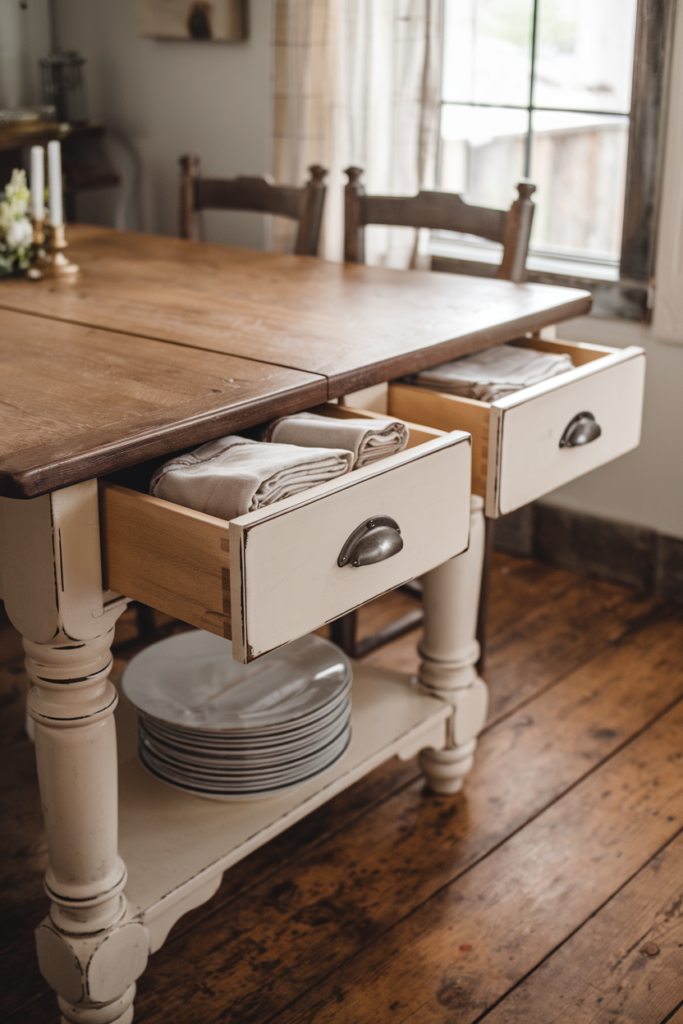


14. Light Scandinavian
A pale, almost bleached wood finish brings the lightest possible version of the Scandinavian-farmhouse crossover.
This works especially well in a bright, airy kitchen that wants to stay light throughout.

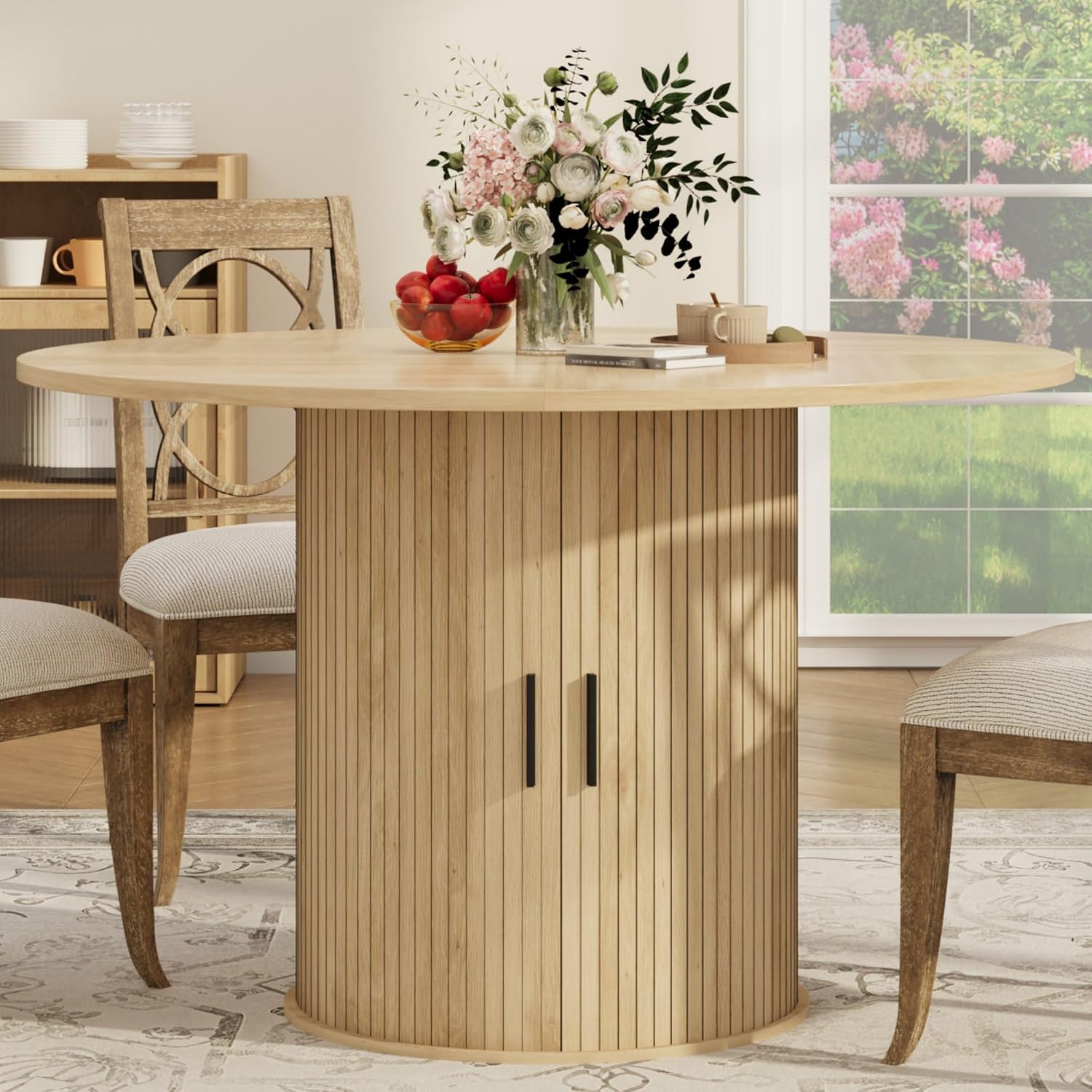
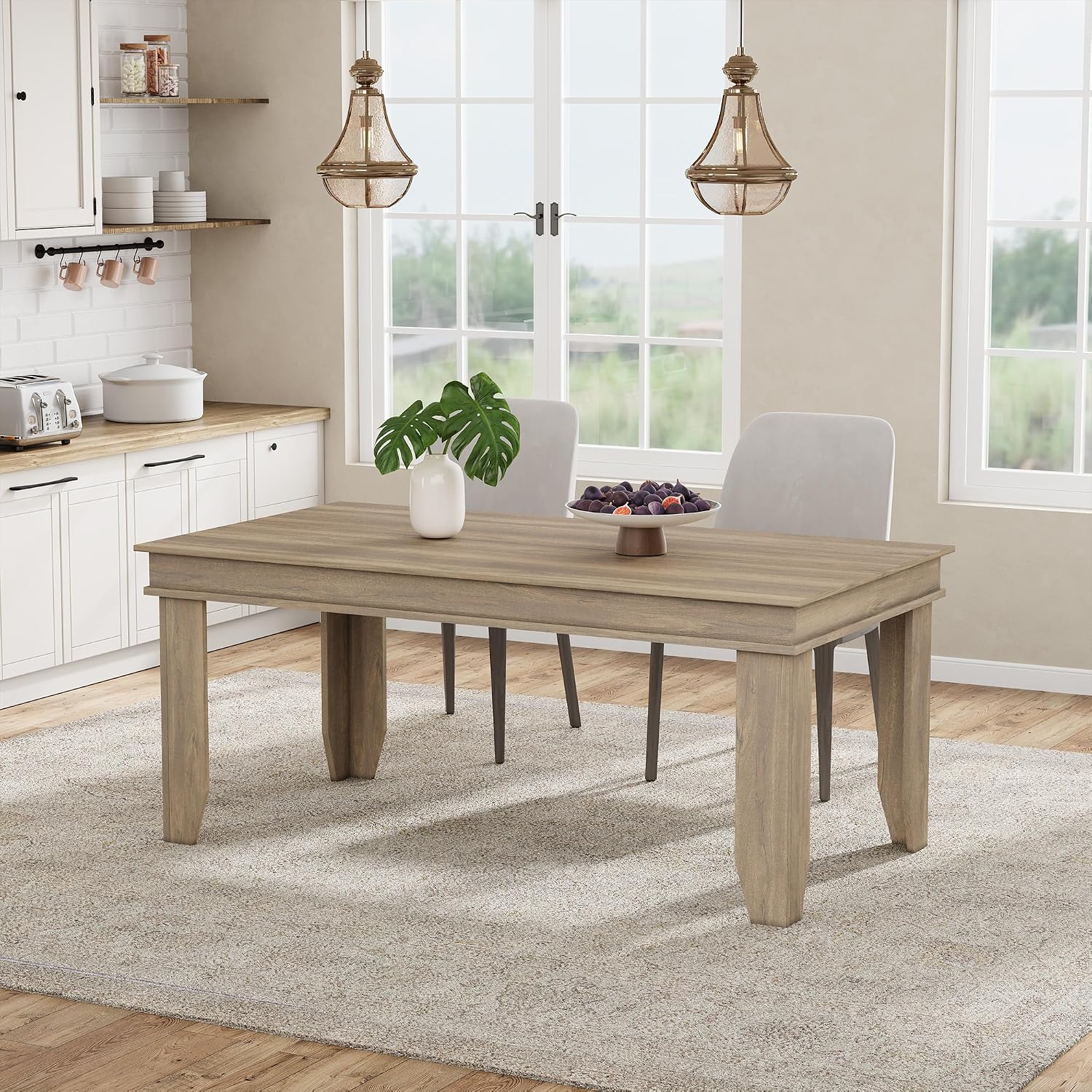
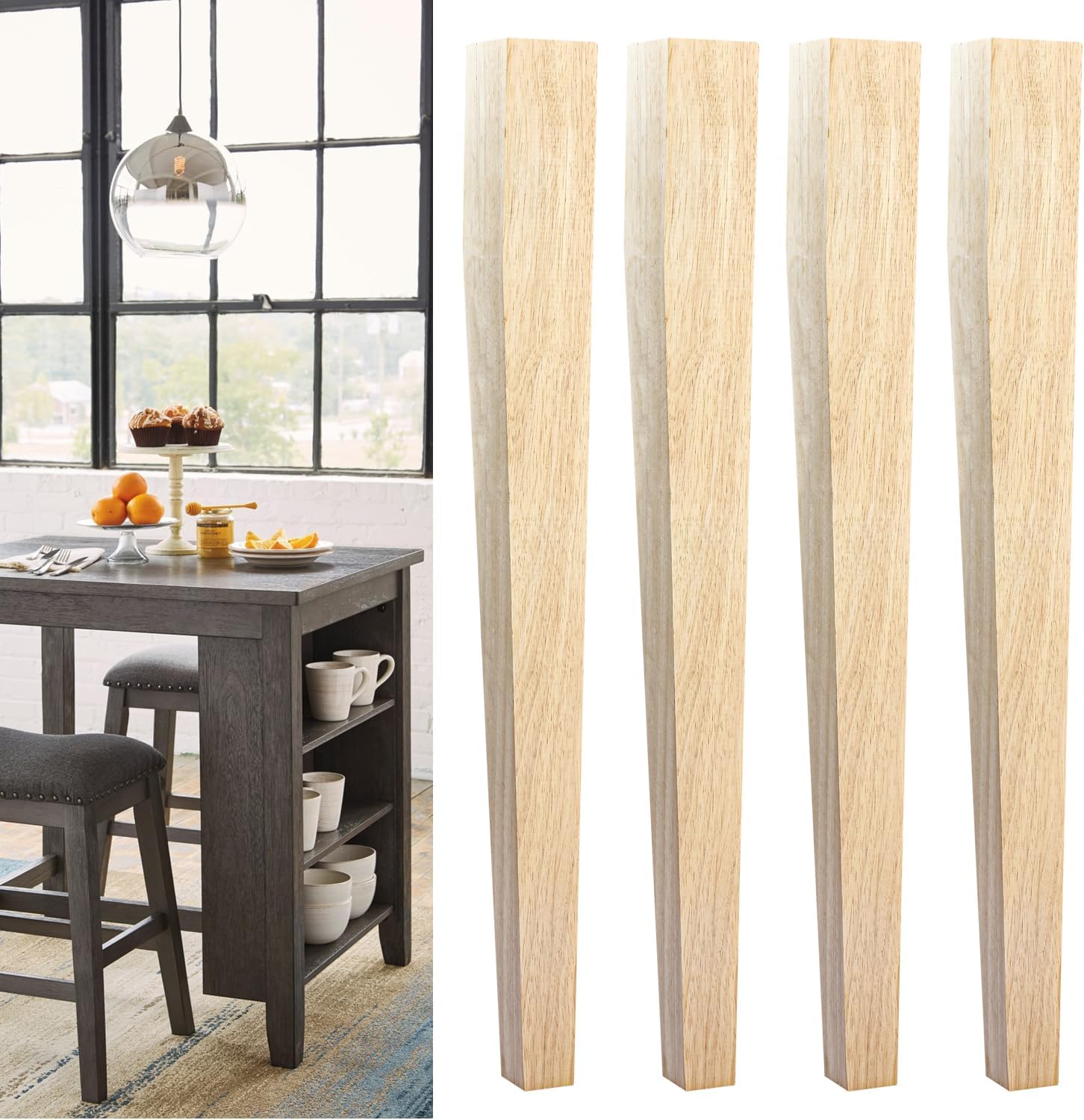
15. Tapered Leg
Simple tapered legs bring a slightly more refined, less rustic edge to an otherwise classic farmhouse tabletop.
This base style tends to read as more versatile, pairing well with both traditional and more modern dining chairs.


Picking the Right One
Room size and seating needs should drive the decision more than style preference alone — a stunning table that's too big for the space creates a daily problem.
Wood tone matters for matching the rest of the kitchen's existing cabinetry and flooring, more than most people account for upfront.
An extendable top is worth prioritizing for anyone who regularly hosts beyond their everyday household size.
Wrapping It Up
None of these 15 styles is objectively the "correct" farmhouse table.
The right one depends on the room's size, the existing wood tones already in the kitchen, and how often the table needs to flex for guests.
Whichever style gets chosen, it becomes the anchor the rest of the kitchen gets arranged around.