
A pergola on its own is just a structure — posts, beams, open air overhead.
What turns it into an actual outdoor room is a layer of decisions most people don't think about until after it's built: seating, weatherproofing, and whether to call a professional.
This covers that layer.


Why a Pergola Changes a Backyard
A pergola gives an otherwise open yard a defined destination — a specific spot that reads as a room, not just more lawn.
This structure alone does more to make a backyard feel like an extension of the house than almost any other single addition.


Picking the Right Pergola for the Space
An attached pergola, built off the house, suits a yard wanting a seamless indoor-outdoor flow; a freestanding one works better as its own destination further into the yard.
Material and style should match the home's existing architecture — a sleek metal frame reads very differently than a classic wood structure, even with identical dimensions.


Layering in Coziness
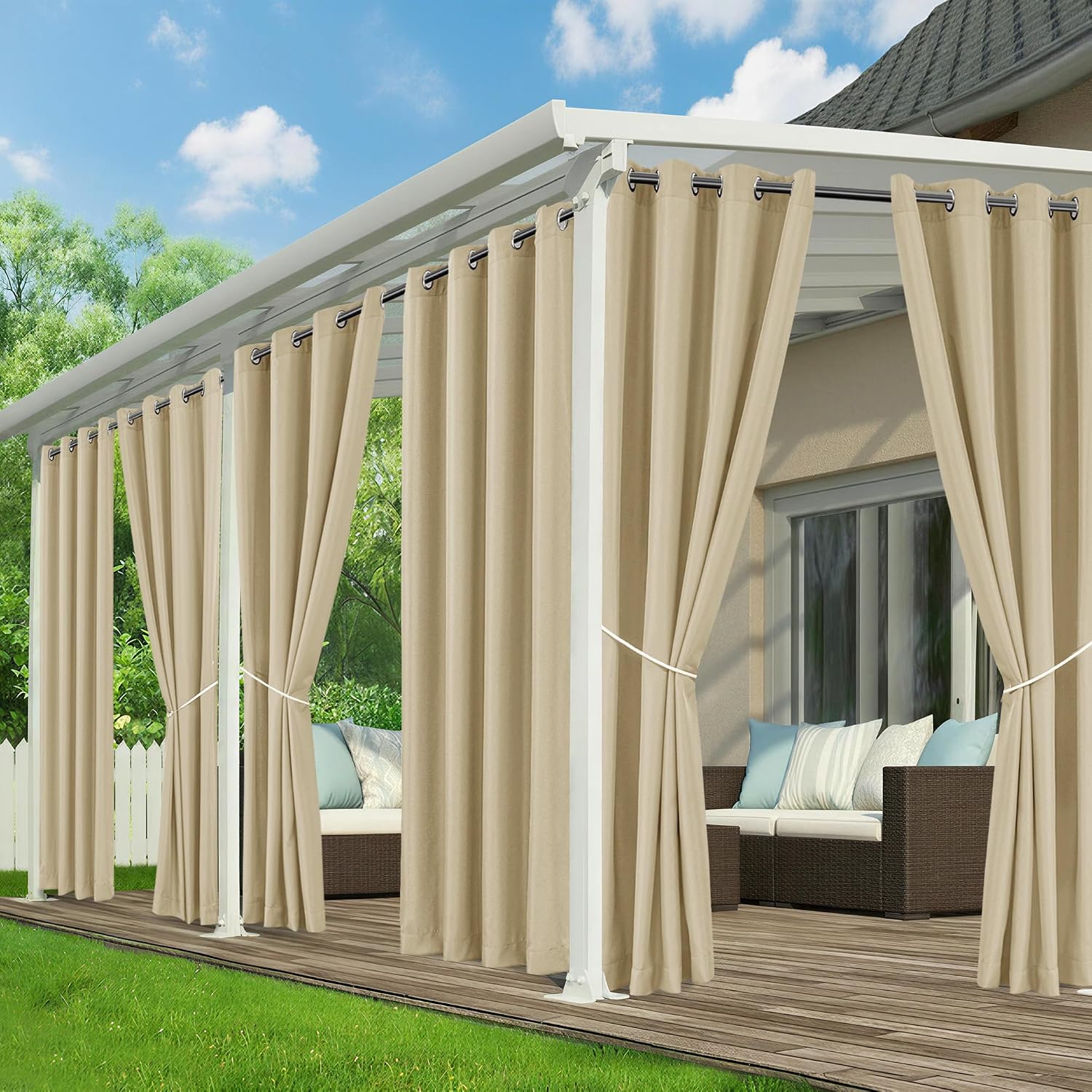
Warm lighting, outdoor curtains and a few textiles do most of the work turning a bare structure into an inviting space — the exact additions matter less than making sure all three layers are present.
A rug underfoot, even outdoors, adds a surprising amount of warmth and helps visually define the space as a room rather than open structure.


Getting the Seating Right
Deep, cushioned seating reads as genuinely lounge-worthy in a way a few hard chairs never will, regardless of how nice the structure overhead looks.
Arranging seating to face inward, toward a shared center rather than all facing the same direction, makes the space feel more like a room meant for conversation.


Weatherproofing It Properly
A sealed or weather-rated finish on the wood, combined with weather-resistant cushions and textiles, keeps the space usable and good-looking well beyond the first season.
This is the detail most likely to get skipped in favor of styling, and the one that determines whether the space still looks good a year later.


DIY or Hire a Pro?
A simple kit-based pergola is a genuinely approachable DIY project for someone comfortable with basic carpentry and a weekend to spend.
A custom size, an attached structure tied into the house, or a larger span is where hiring a professional becomes worth the cost — the structural stakes are higher, and mistakes are expensive to fix after the fact.


Keeping It Looking Fresh
A yearly check of the wood finish, hardware and any fabric elements catches small issues before they become expensive repairs.
Swapping cushions, textiles and small decor seasonally keeps the space feeling current without touching the structure itself.


Your Pergola, Your Vibe
A pergola only becomes a real outdoor room once the practical layer — seating, weatherproofing, upkeep — gets the same attention as the styling.
Get those right, and the structure stops being a backyard feature and starts being a room people actually want to spend time in.