
A mirror cabinet does double duty — storage and reflection — which is exactly why it gets styled less carefully than either job deserves.
Most bathrooms treat it as purely functional, hung and forgotten. It's worth more consideration than that.
This covers how to actually style one, by design direction and by the details that get overlooked.


Why It Deserves More Attention
A mirror cabinet sits at eye level and gets used daily, which makes it one of the most-seen fixtures in the entire bathroom, styled or not.
Treating it as a genuine design element, not just a medicine cabinet with a mirror on front, changes how the whole room reads.


Its Role Across Different Design Styles
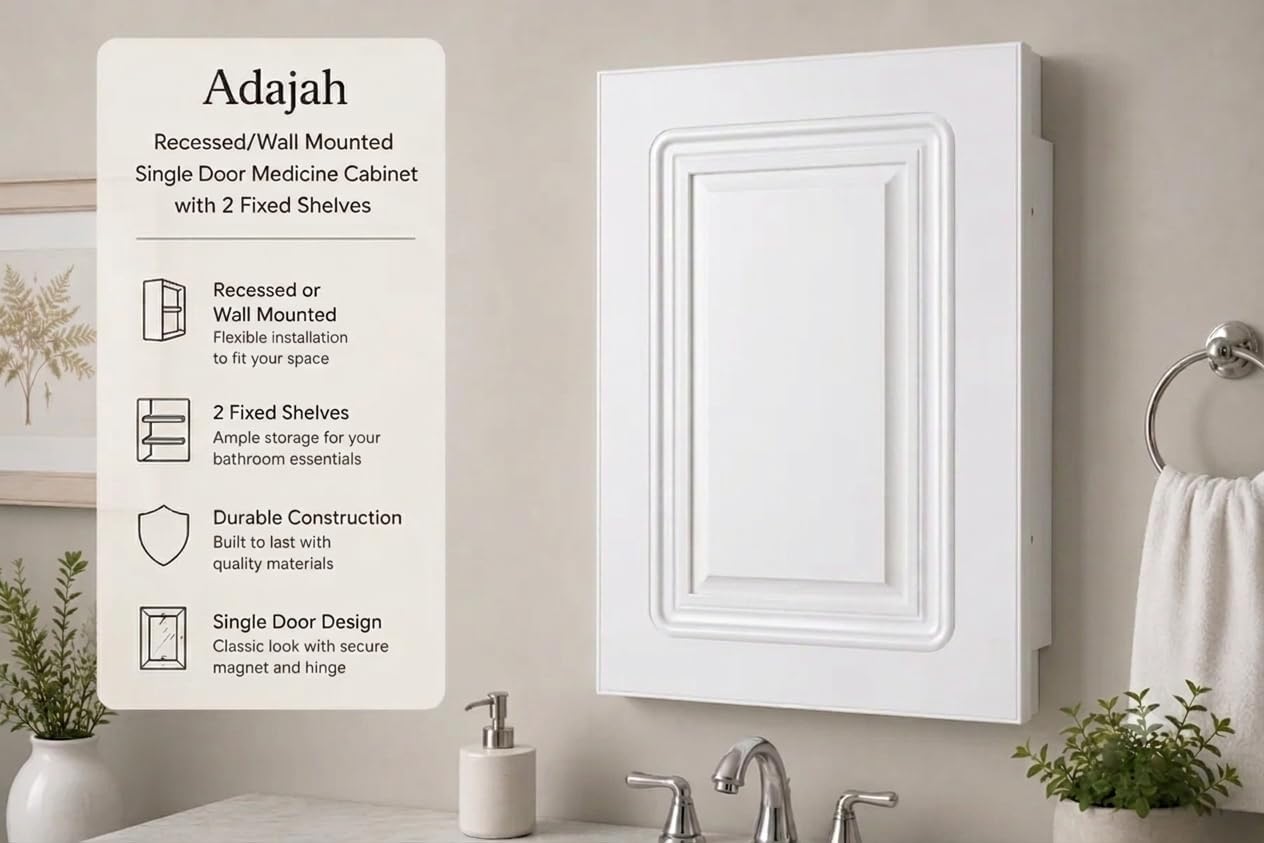
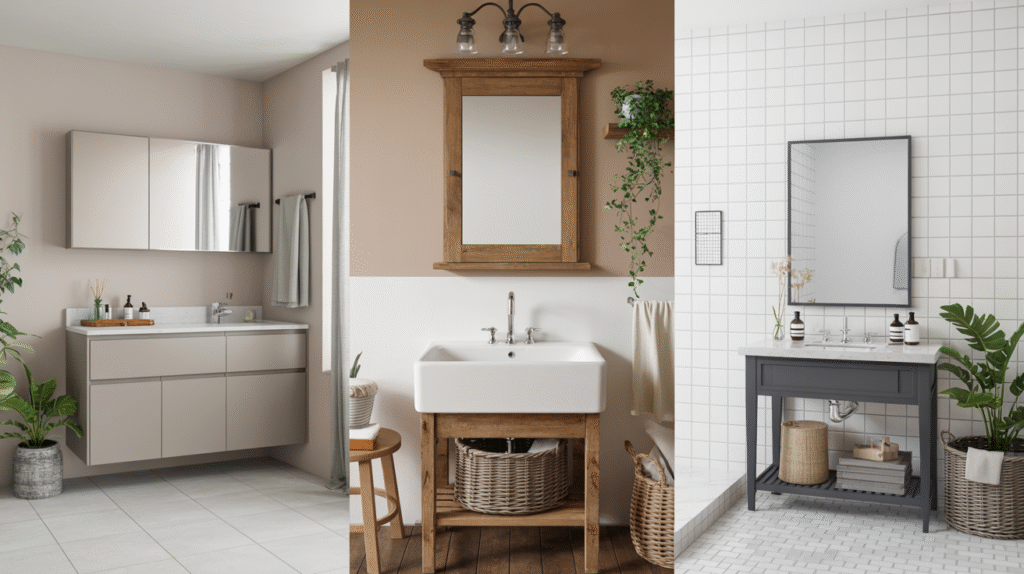
A mirror cabinet's frame, hardware and proportions should echo the bathroom's broader style rather than being chosen in isolation.
This single piece of furniture-adjacent hardware carries more stylistic weight than its size would suggest, given how central it is to the room.

Common Mistakes Worth Avoiding
Choosing a cabinet based purely on storage capacity, without considering how the frame and mirror proportions work in the room, is the most frequent misstep.
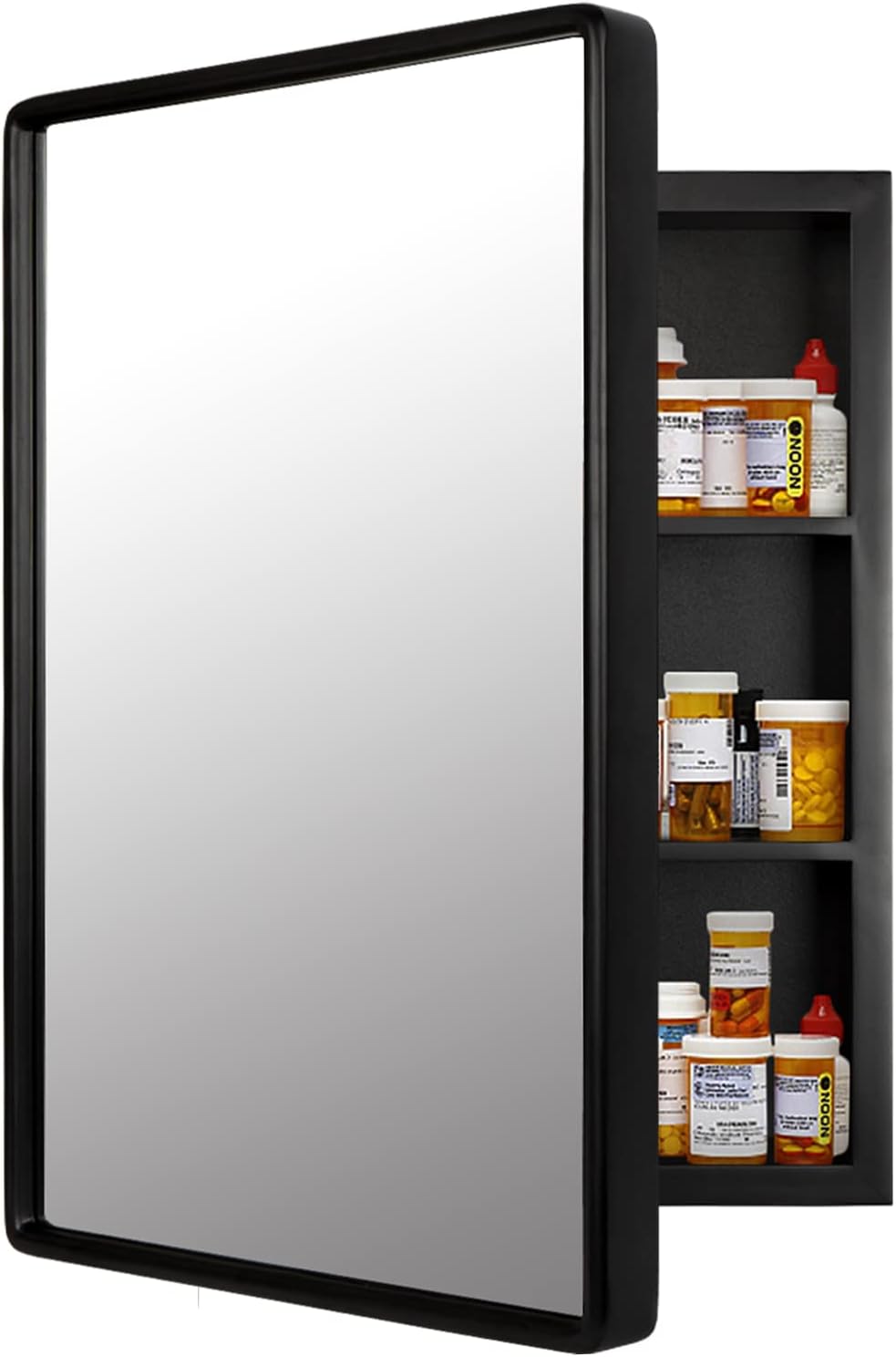
Overfilling the interior shelves until the door won't close properly is the second — a cabinet that's hard to use stops getting used properly at all.


Choosing the Right One for the Space
A larger mirror cabinet can make a small bathroom feel more spacious by reflecting more light, while an oversized one in an already tight room risks feeling heavy.
Matching the cabinet's width roughly to the vanity below it creates a more intentional, built-in feeling than a mismatched size ever will.

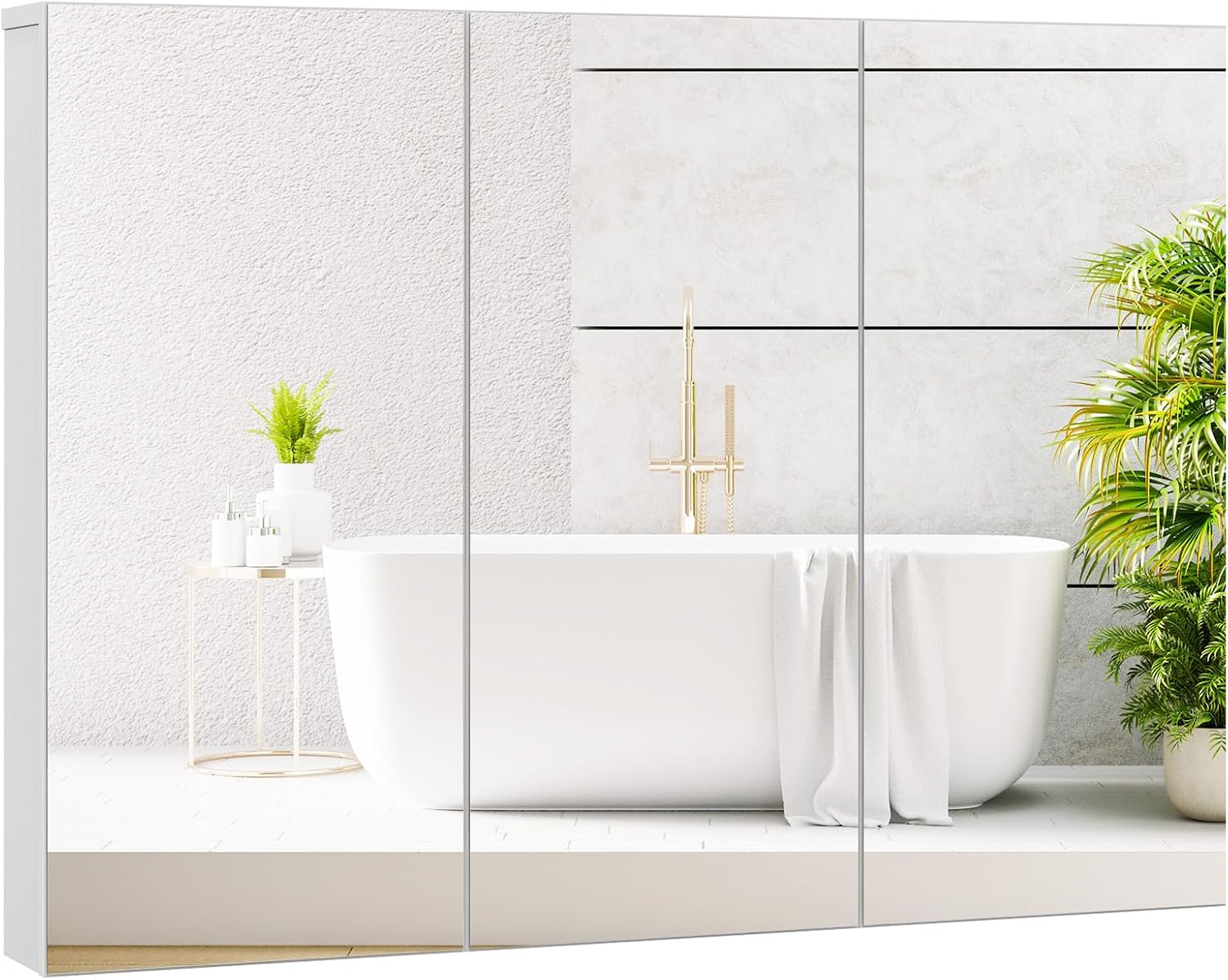
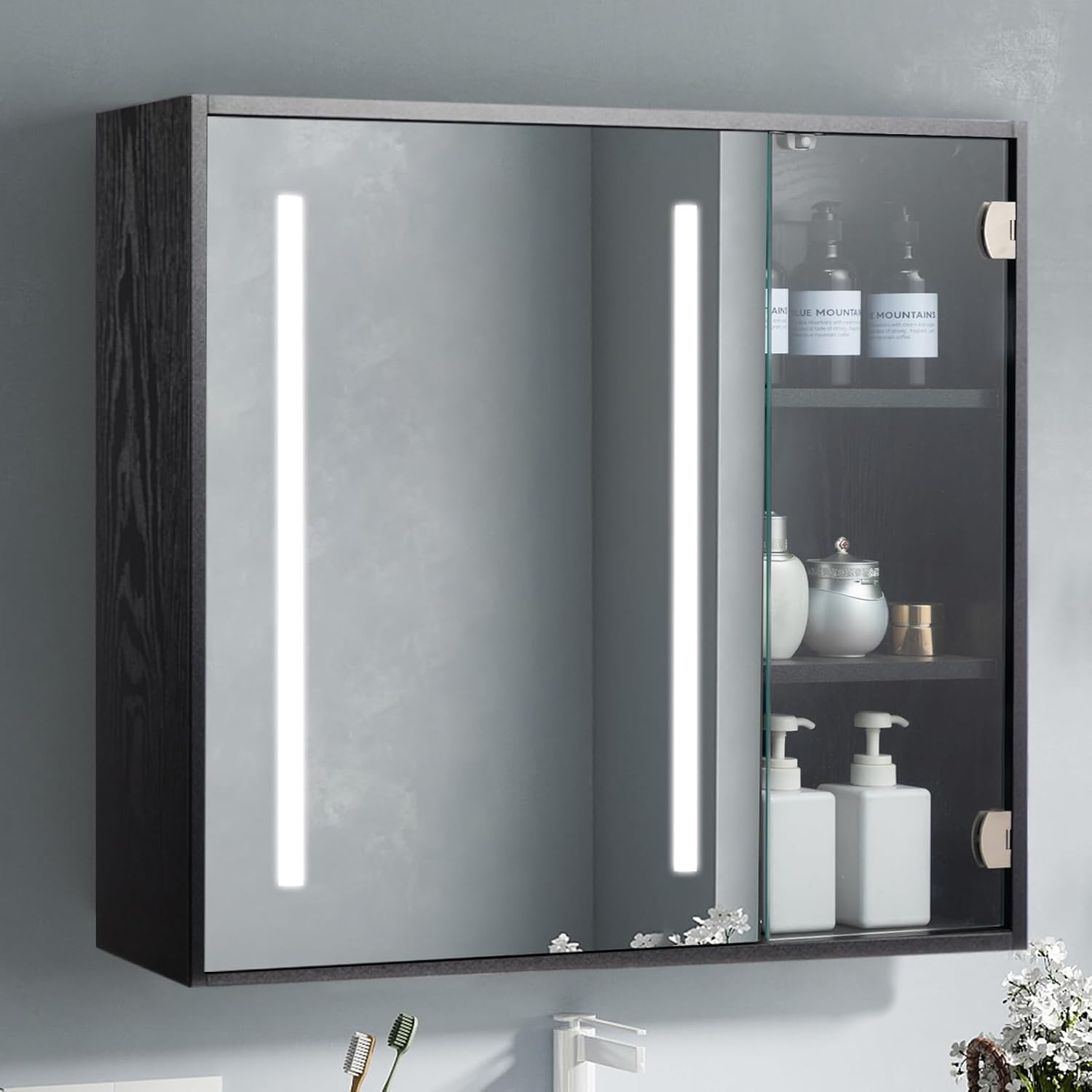
Styling for Modern Luxe
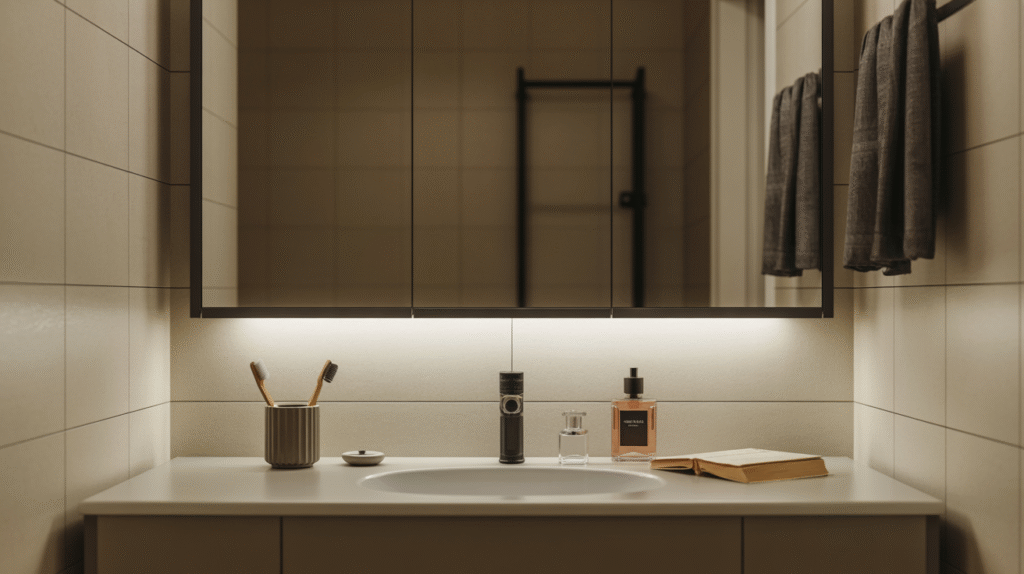
A sleek, minimal frame in brushed brass or matte black, paired with clean-lined hardware, fits a modern luxe bathroom without competing with the room's other finishes.
Keeping the interior shelves sparse and organized matters more in this style than almost any other, since the whole look depends on restraint.


Styling for Farmhouse Chic
A wood-framed cabinet, or one with slightly distressed hardware, brings warmth that fits a farmhouse bathroom's broader material story.
A few considered objects visible through an open door — folded towels, a simple glass jar — extend the farmhouse feel even into the cabinet's interior.


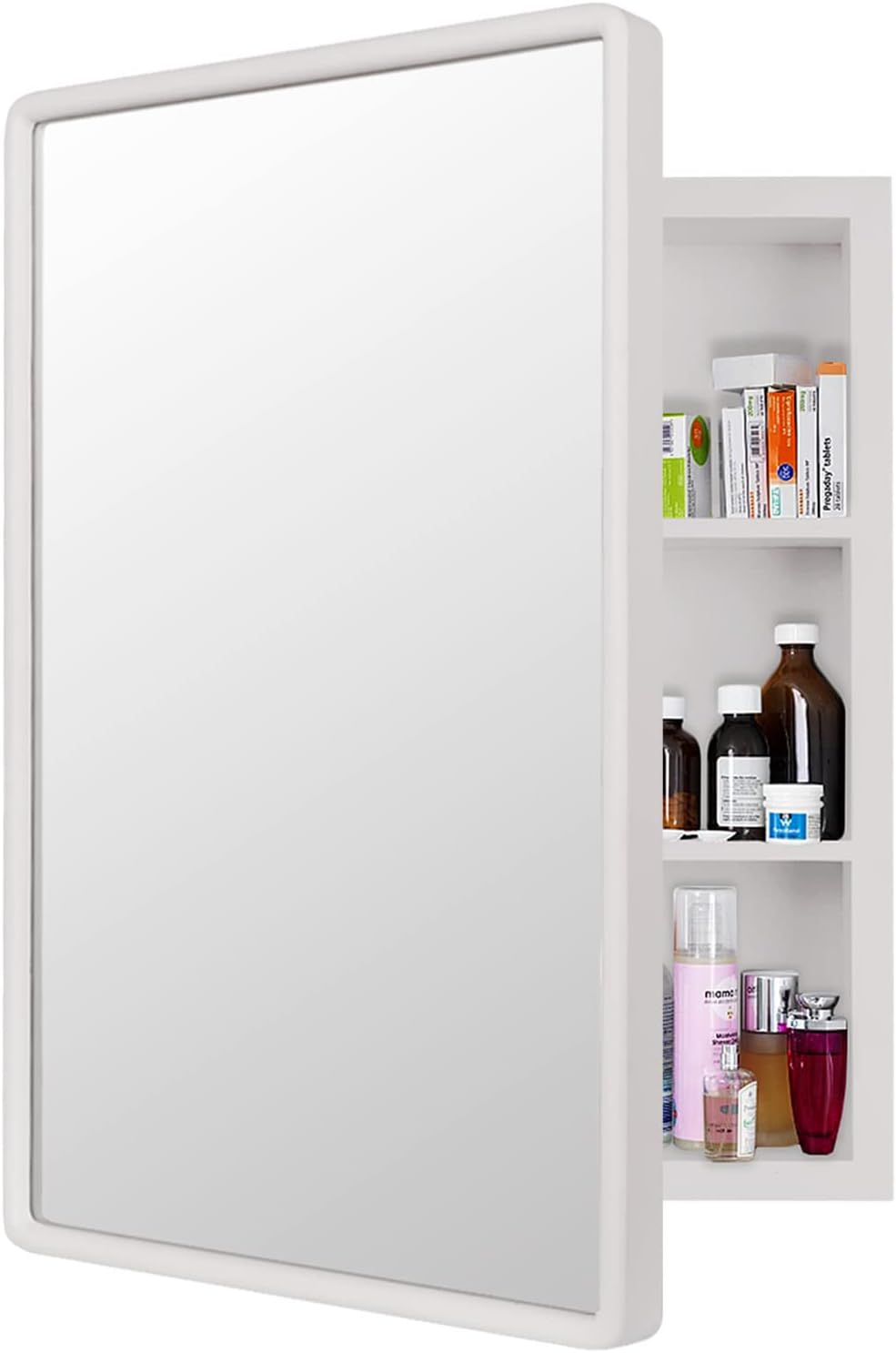

Styling for Minimalist
A frameless or barely-there frame keeps the cabinet from adding visual weight to an intentionally pared-back room.
Interior organization matters most in this style, since a minimalist room offers nowhere for clutter to hide once that door opens.

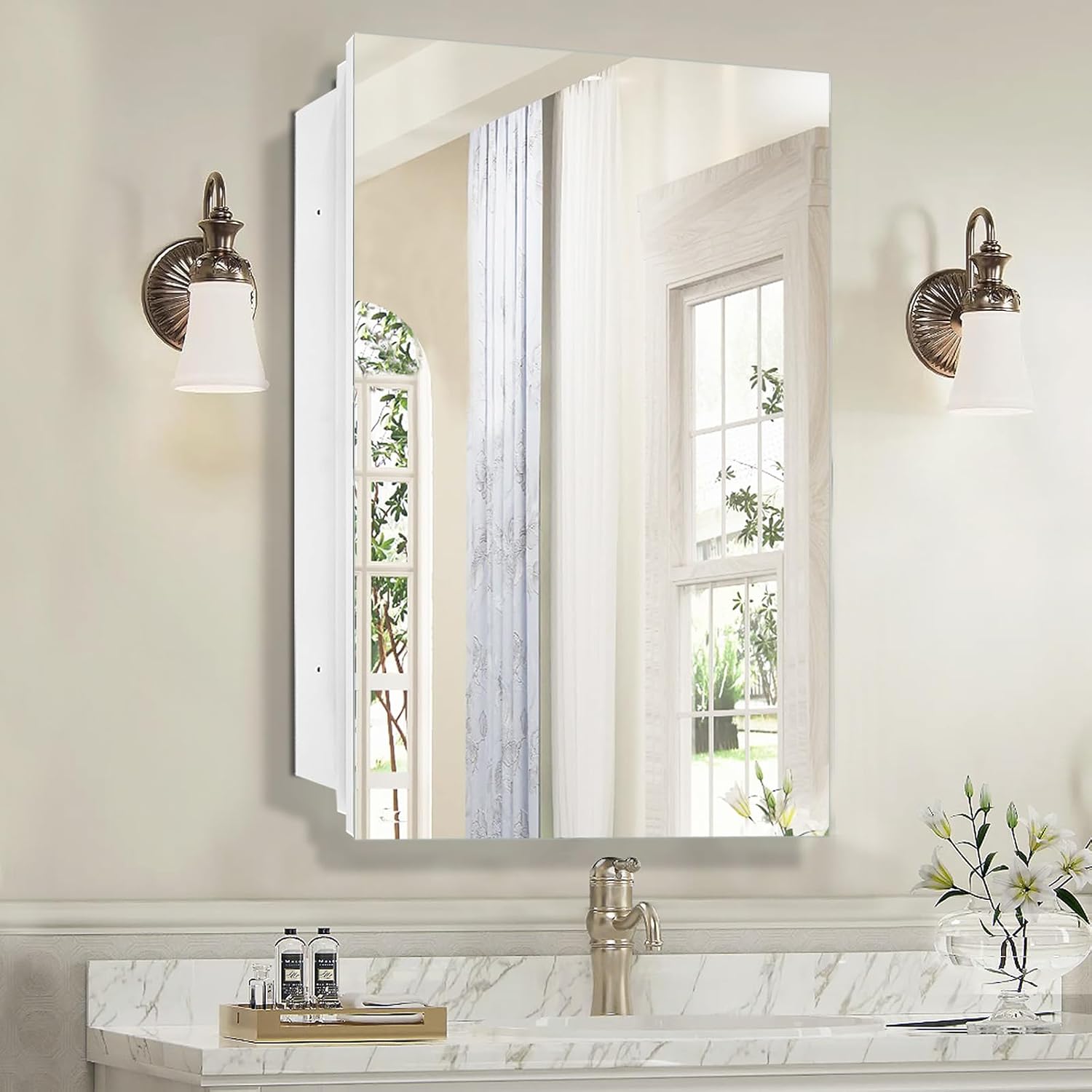
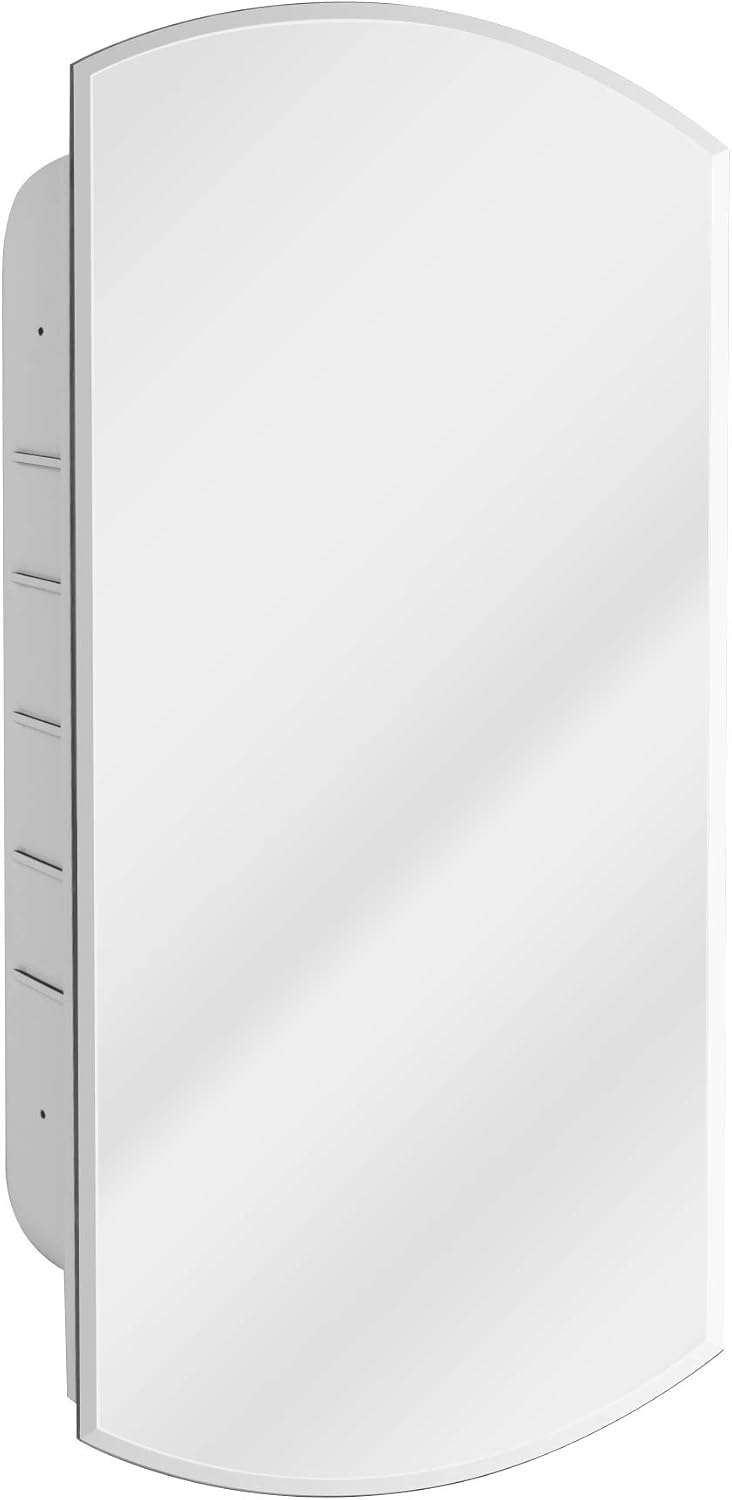
Styling for Eclectic and Bold
An unusually shaped cabinet, a bold frame color, or an unexpected hardware finish all work in a room already embracing a more maximalist approach.
This is the one style direction where the cabinet itself can be the room's statement piece rather than a supporting element.


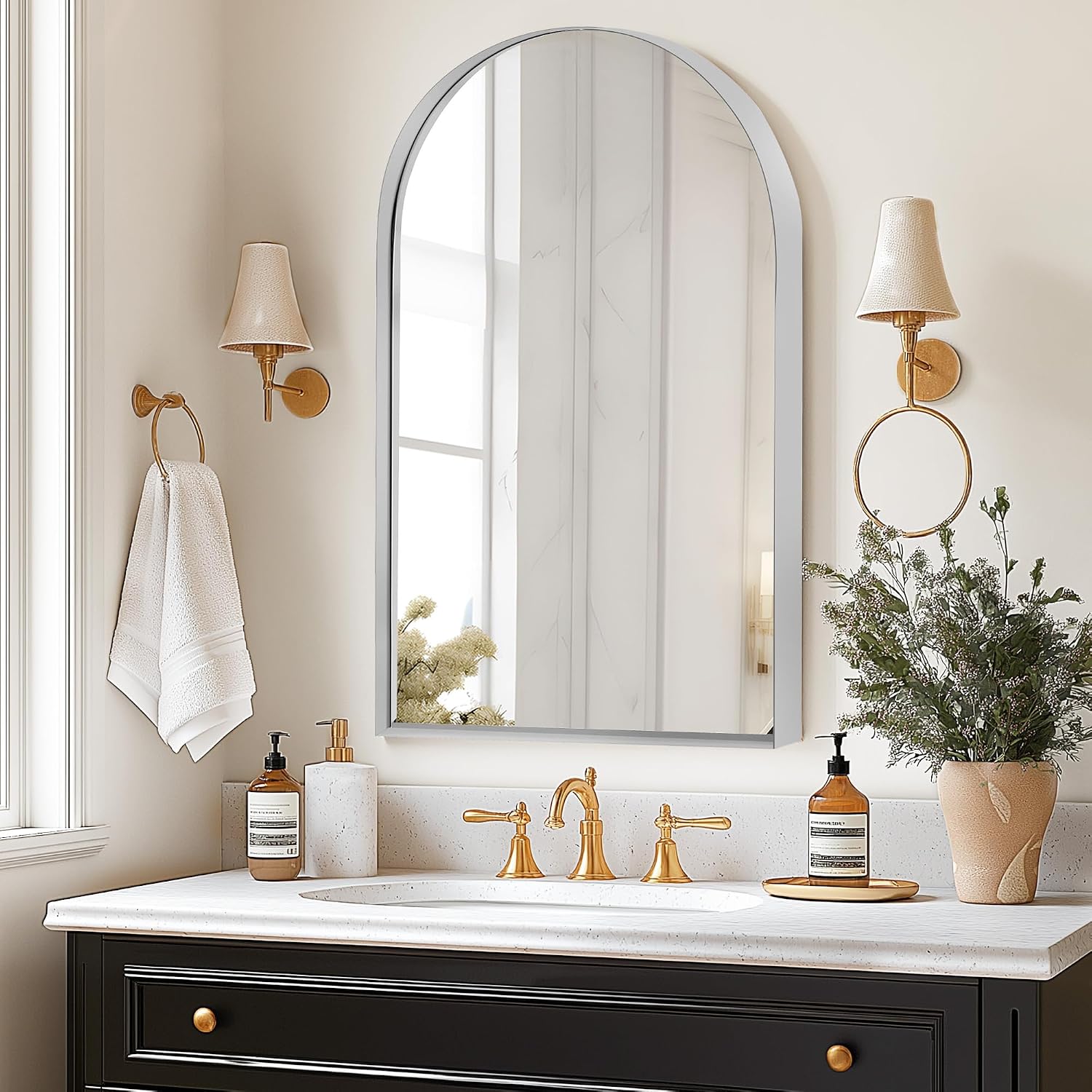
Lighting Is the Secret Weapon
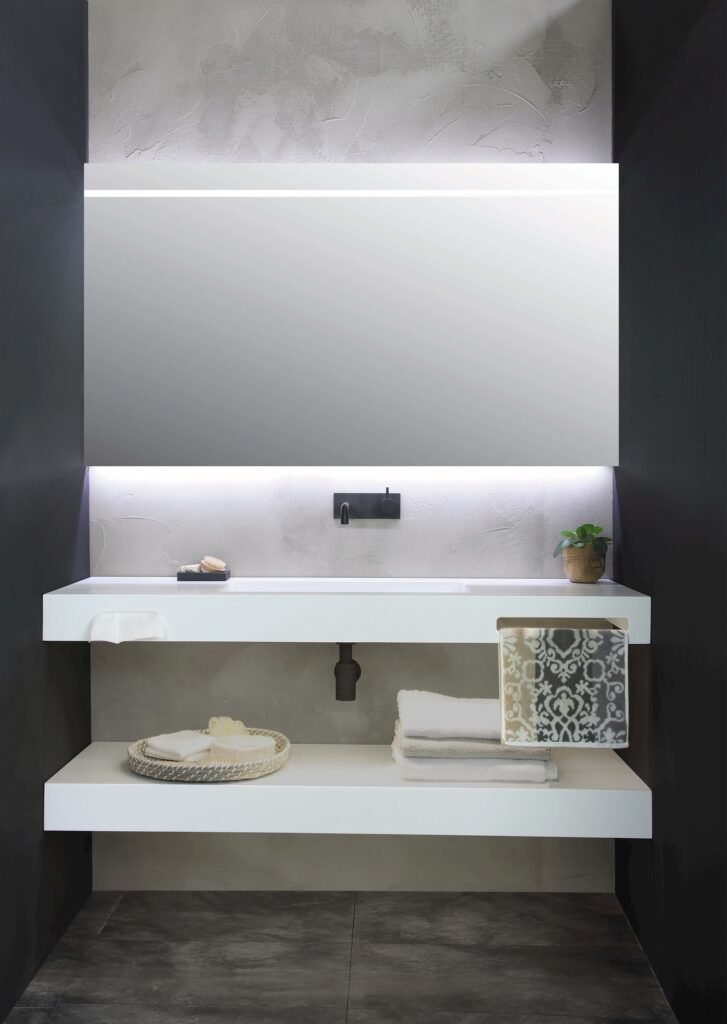
A cabinet with integrated lighting, or one paired with sconces on either side, does more for daily function than the cabinet itself.
Warm-toned lighting specifically flatters skin tone far better than the cool, clinical light many bathroom fixtures default to.

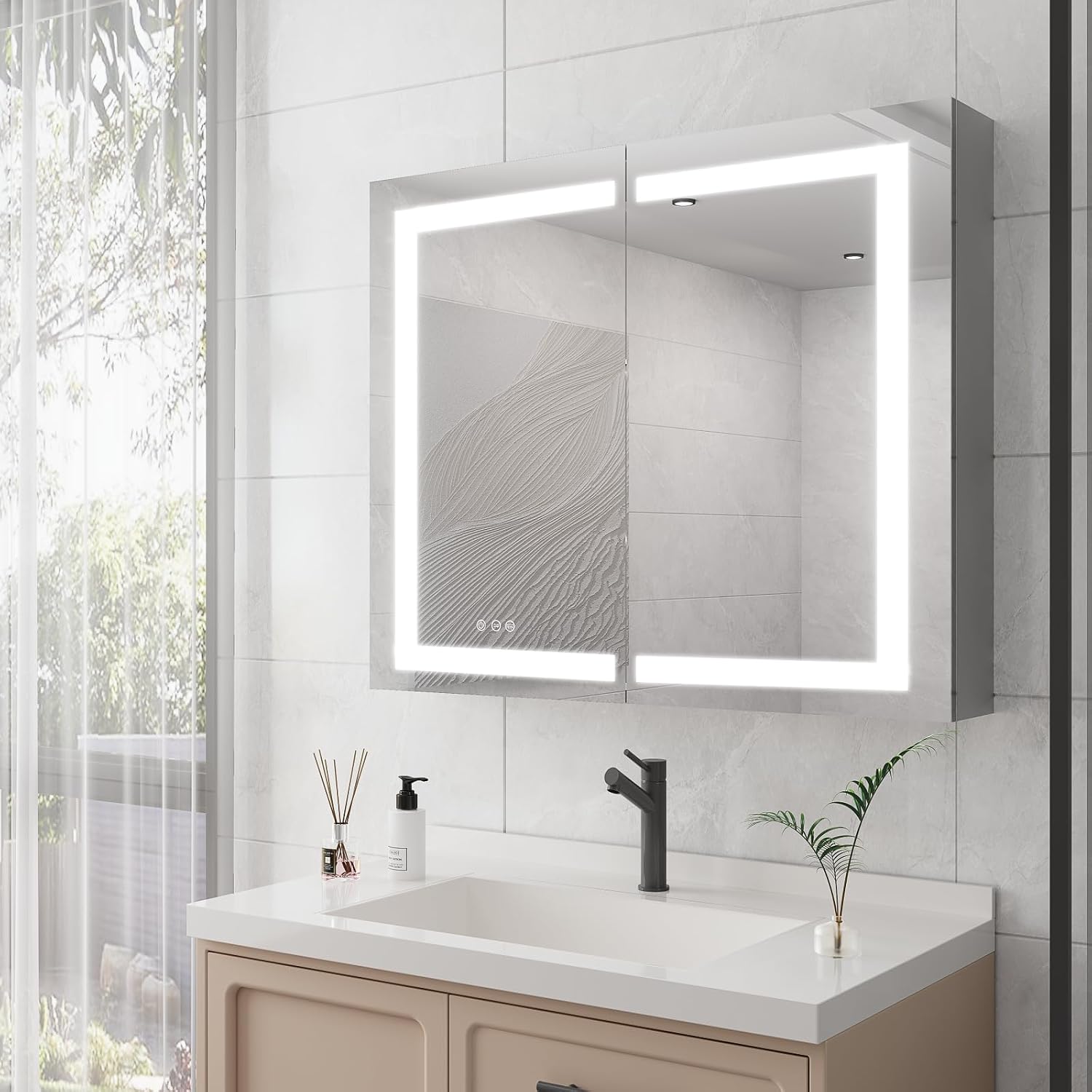
Pairing With the Vanity
A cabinet that shares a material or finish with the vanity below creates a cohesive, intentional look rather than two separate fixtures that happen to share a wall.
This pairing matters more to the room's overall polish than either piece chosen independently.


Organization Worth Doing Right
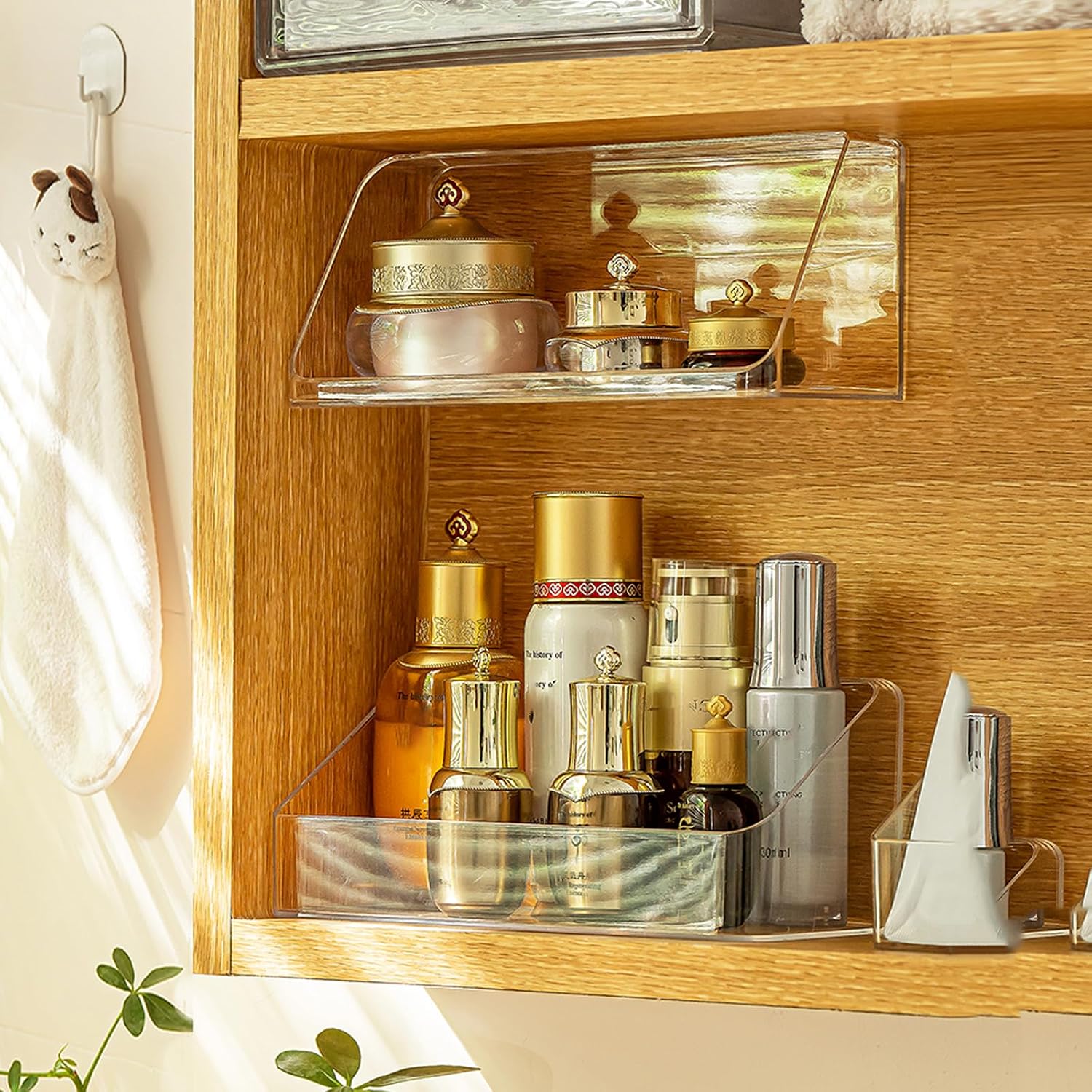
Grouping items by category — skincare, daily medications, grooming tools — on dedicated shelves keeps the cabinet functional even when it's opened quickly every morning.
A small bin or tray for loose items prevents the bottom shelf from becoming an unsorted catch-all.

Accessorizing Around It
A small shelf, a plant, or a piece of art placed near the cabinet extends its presence into the rest of the wall rather than leaving it visually isolated.
This is a simple way to make a purely functional fixture feel like part of the room's intentional design.


Final Thoughts
A mirror cabinet earns real design attention beyond its storage function — the frame, the lighting, and what's visible inside all matter.
Match it to the room's broader style, keep the interior genuinely organized, and it becomes a considered fixture rather than an overlooked necessity.
Worth the investment, both in function and in how it shapes the whole room's first impression.