
Bathroom lighting does more work than almost any other fixture choice in the house.
It needs to handle makeup application, shaving, reading in the tub and the 2 a.m. bathroom trip, all from the same setup.
Getting it wrong means either a washed-out, flattering-nothing glare or a dim room that makes every task harder than it needs to be.
This covers the actual fixture types, how to choose between them, and the mistakes worth avoiding.
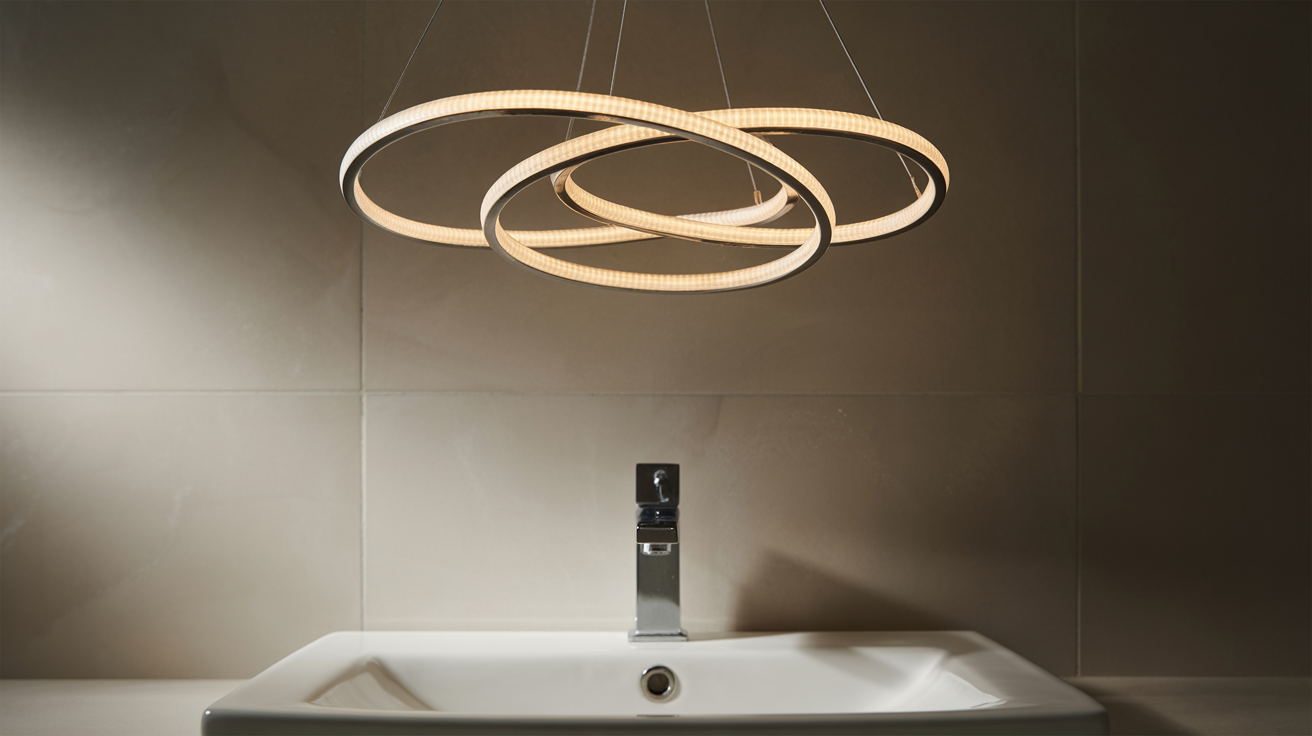

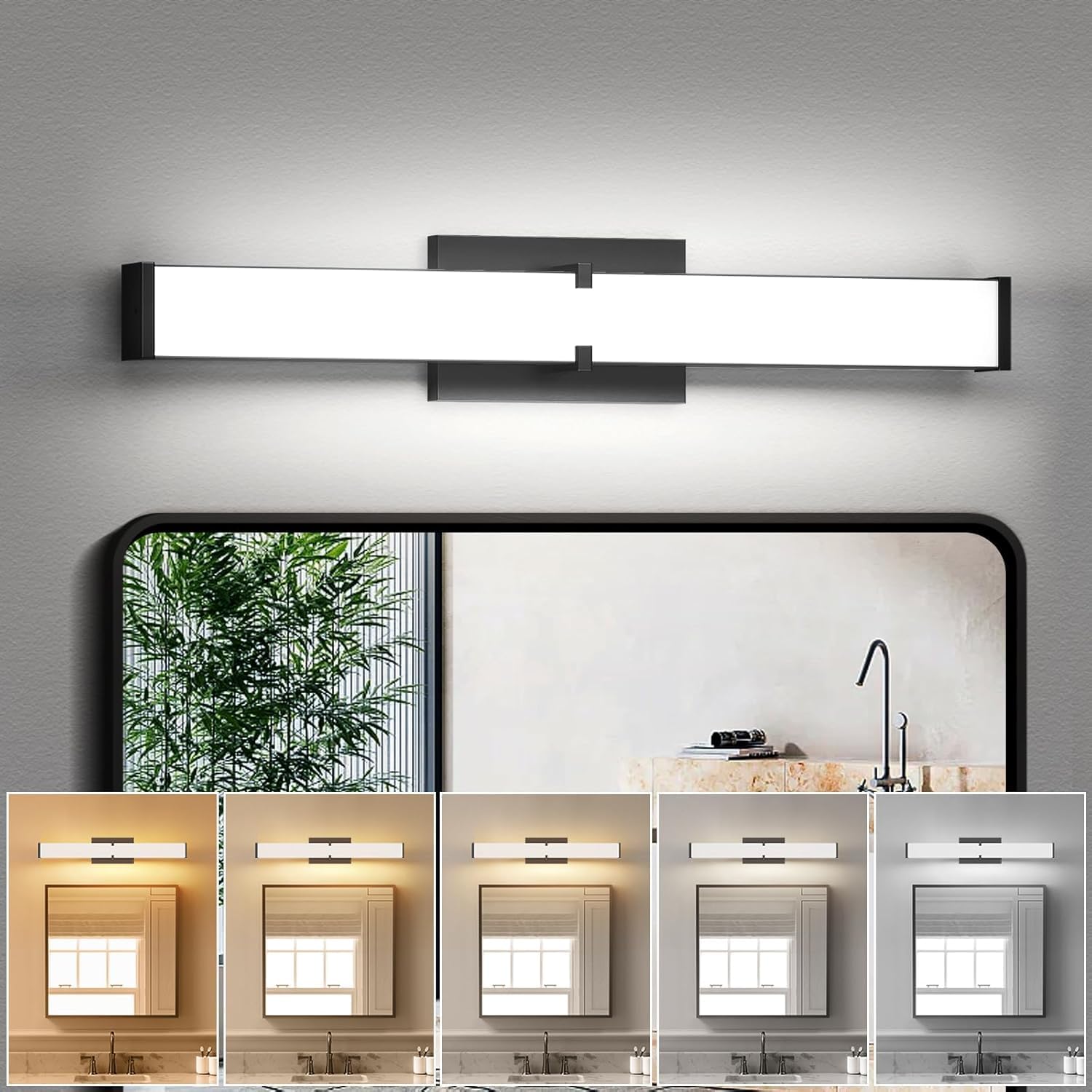
Modern LED Bathroom Light Fixtures, 24 Inch, 2300 Lumen Dimmable, Black Vanity Lights
Shop on Amazon
Why the Fixture Choice Actually Matters
Bathroom lighting affects function first and mood second — a mirror with bad lighting makes grooming genuinely harder, not just less pretty.
The right fixture also affects how colors read in the room, including skin tone at the mirror, which matters more here than in almost any other room.
A well-lit bathroom feels bigger and more finished even without touching anything else in the space.


The Fixture Types Worth Knowing
Most bathrooms end up using a mix of these, not just one.

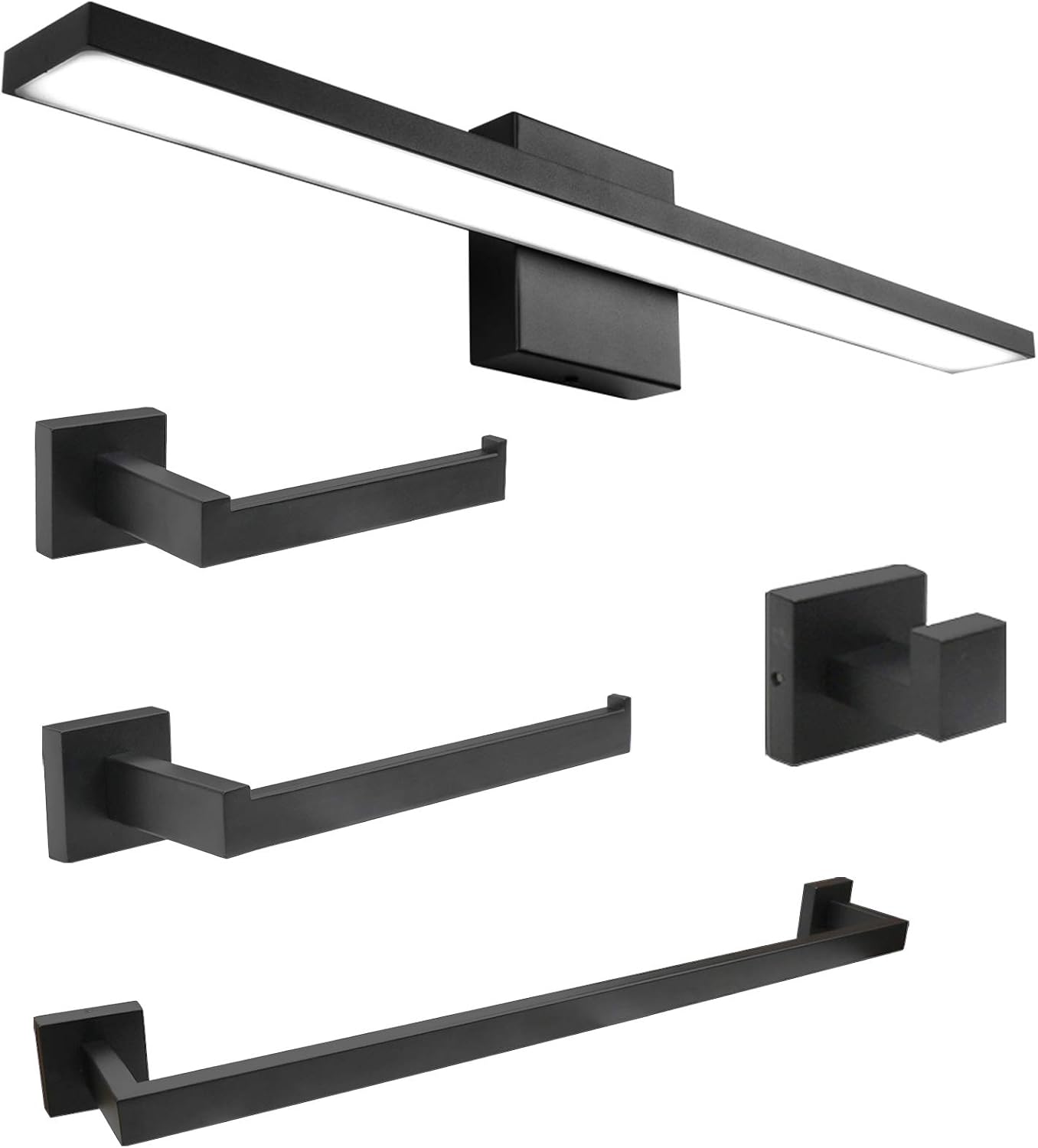

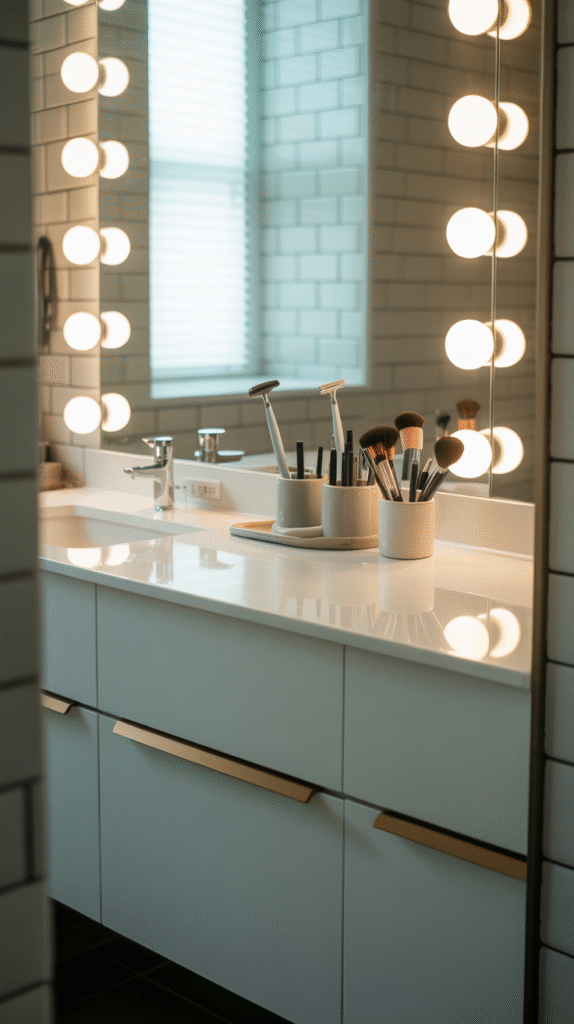
Vanity Lights
Mounted directly above or beside the mirror, vanity lights handle the detail work — makeup, shaving, skincare.
Side-mounted fixtures reduce the shadows a single overhead vanity light tends to cast across the face.
This is the fixture most worth getting right first, since it affects daily grooming tasks directly.

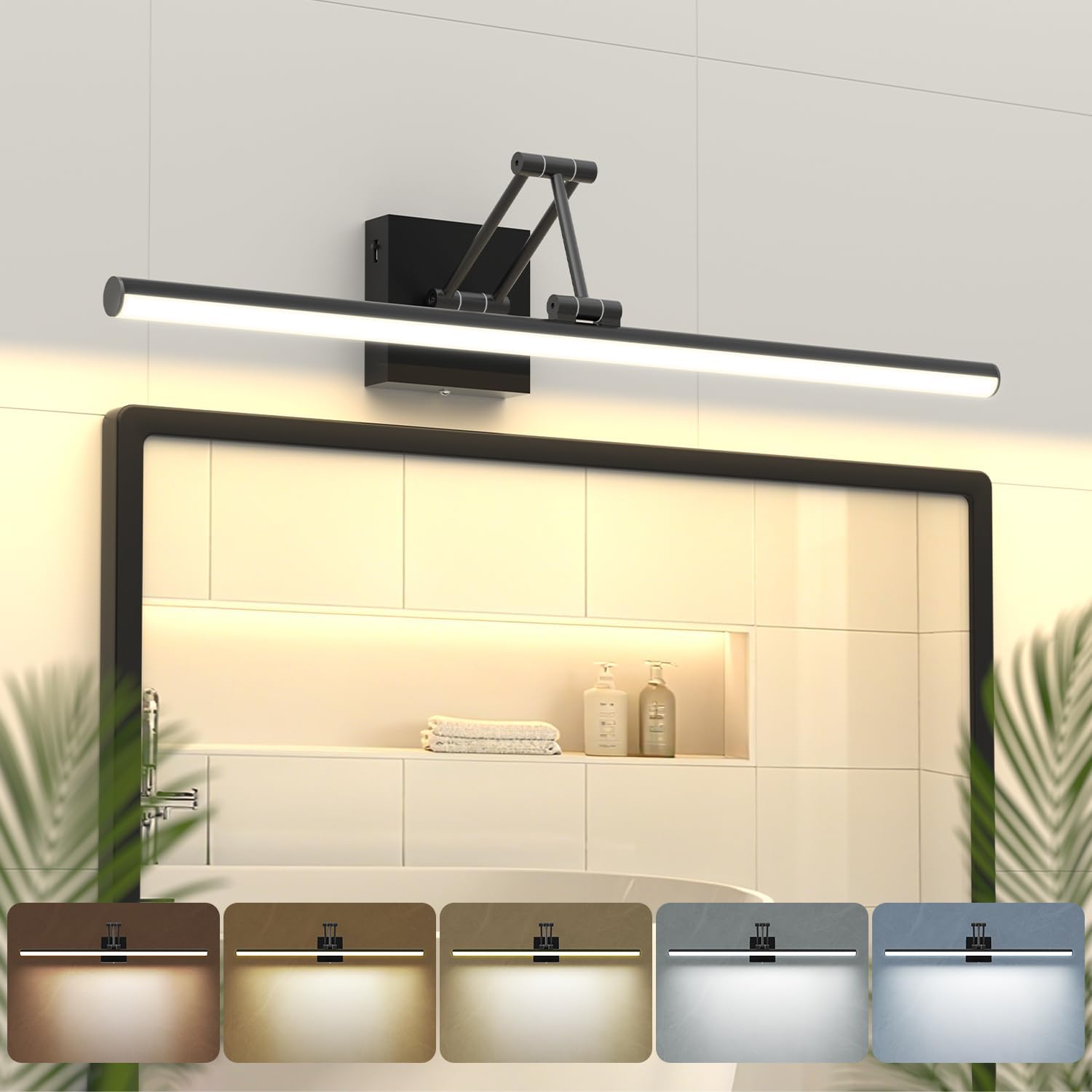

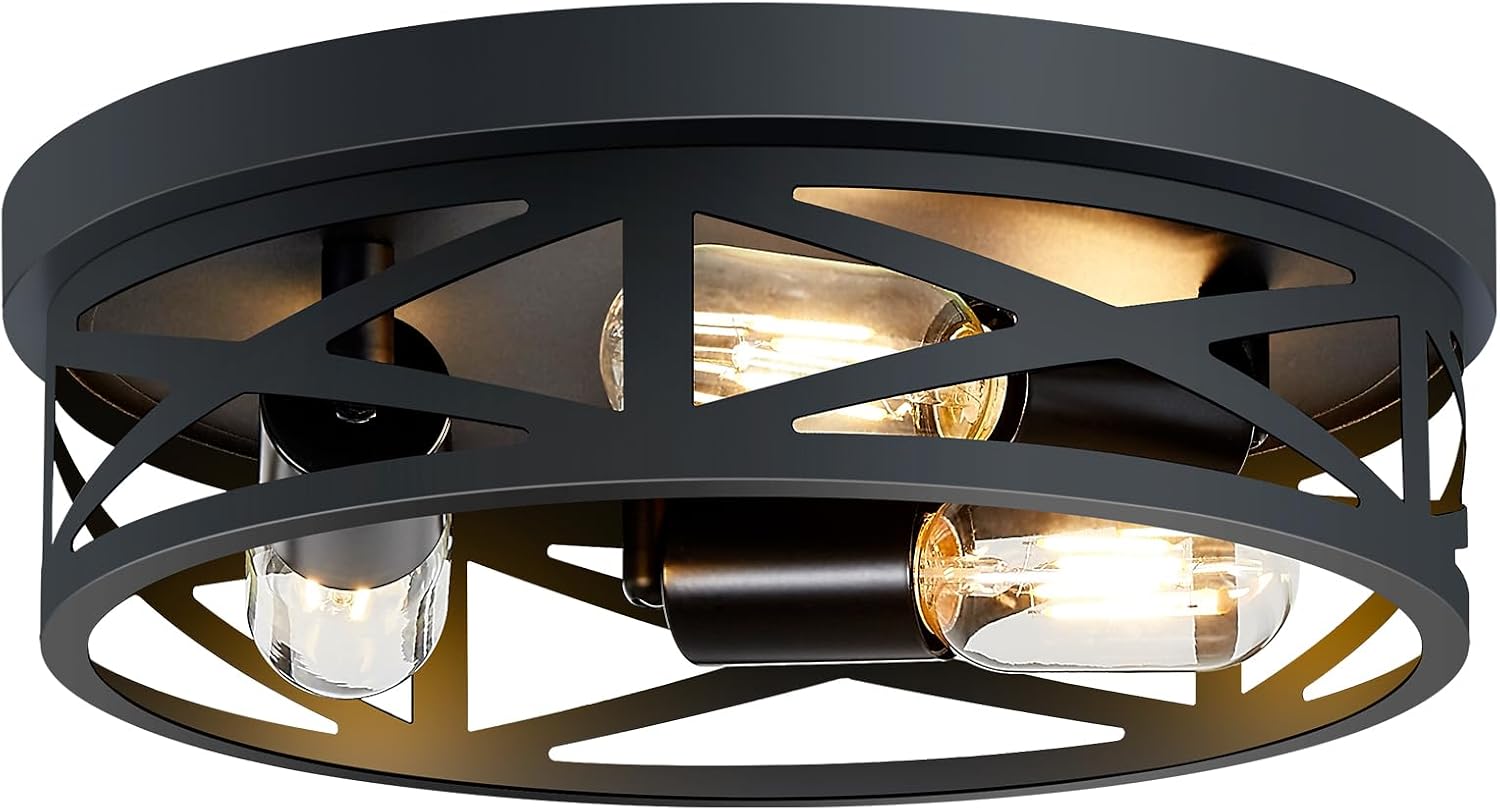
Ceiling Lights
A central ceiling fixture provides the room's general ambient light, covering tasks that don't need the focused brightness of vanity lighting.
This is the baseline every bathroom needs, even when other fixture types handle the detail work.
A flush or semi-flush mount keeps the fixture out of the way in a room with limited ceiling height.
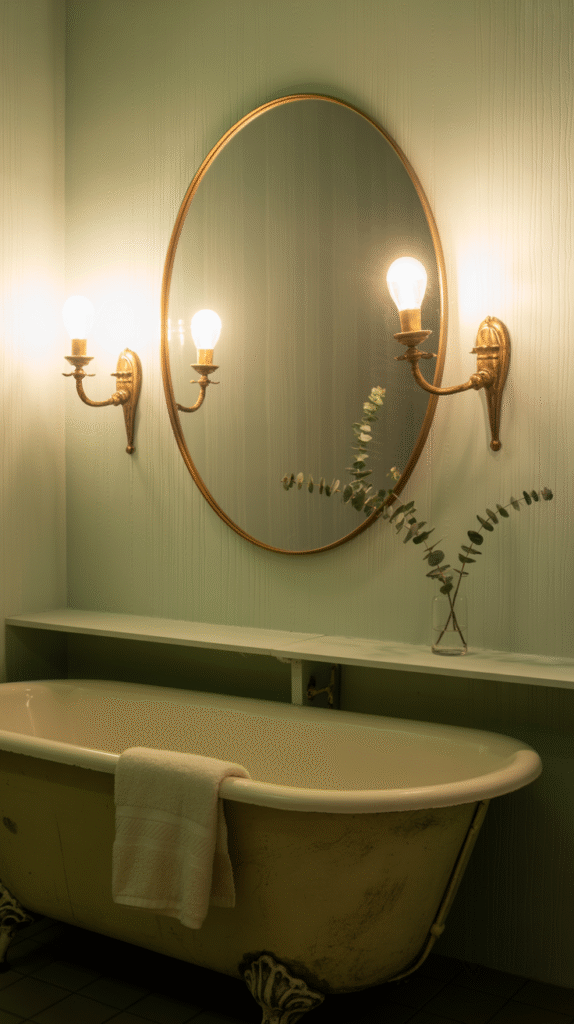

Wall Sconces
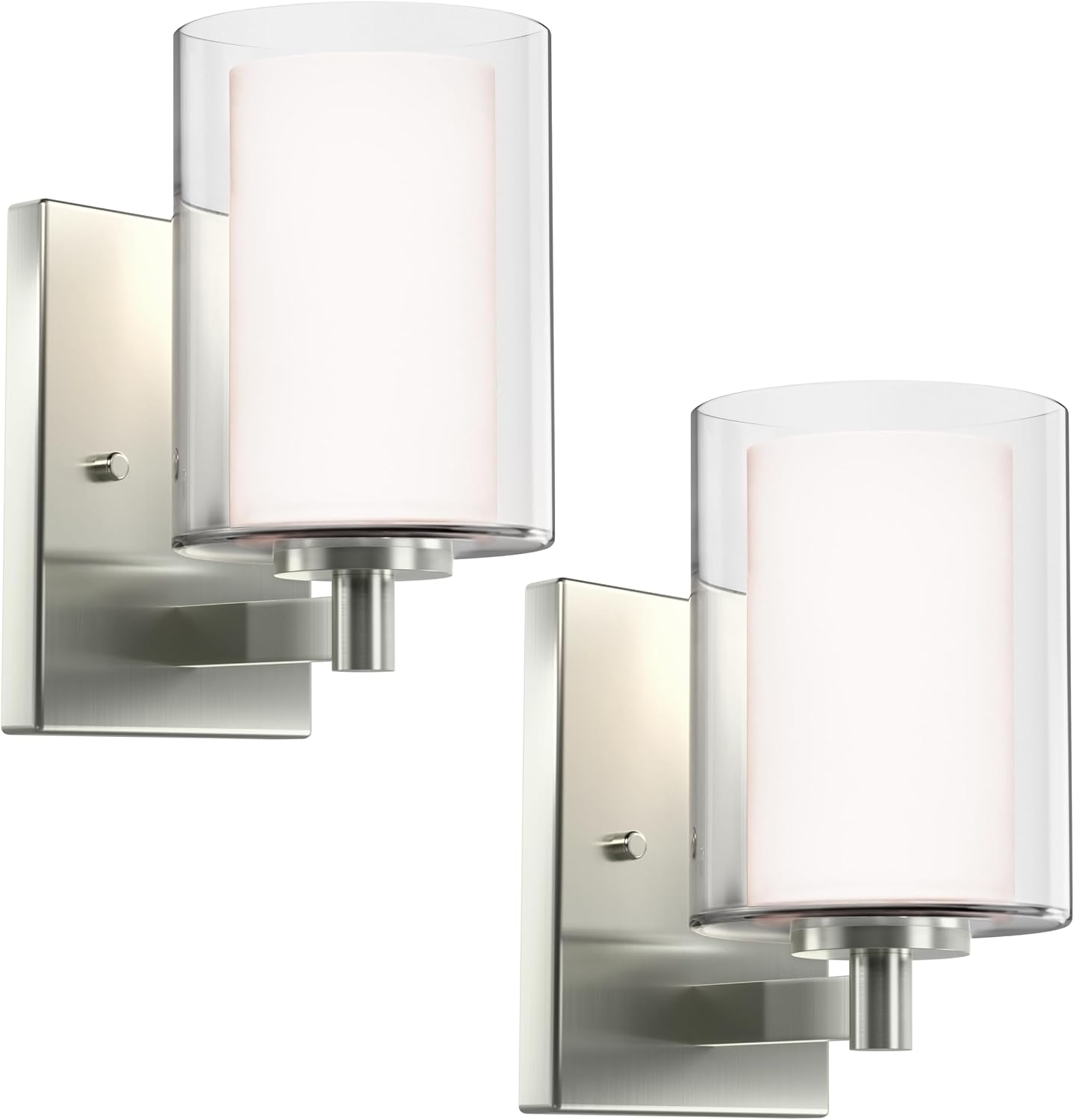
Sconces add both function and style, often flanking a mirror or marking a specific zone like a tub or shower entry.
They work well paired with vanity lighting, filling in shadows a single overhead source leaves behind.
This is also one of the more decorative fixture types on this list, doing real visual work beyond pure function.


Recessed Lights
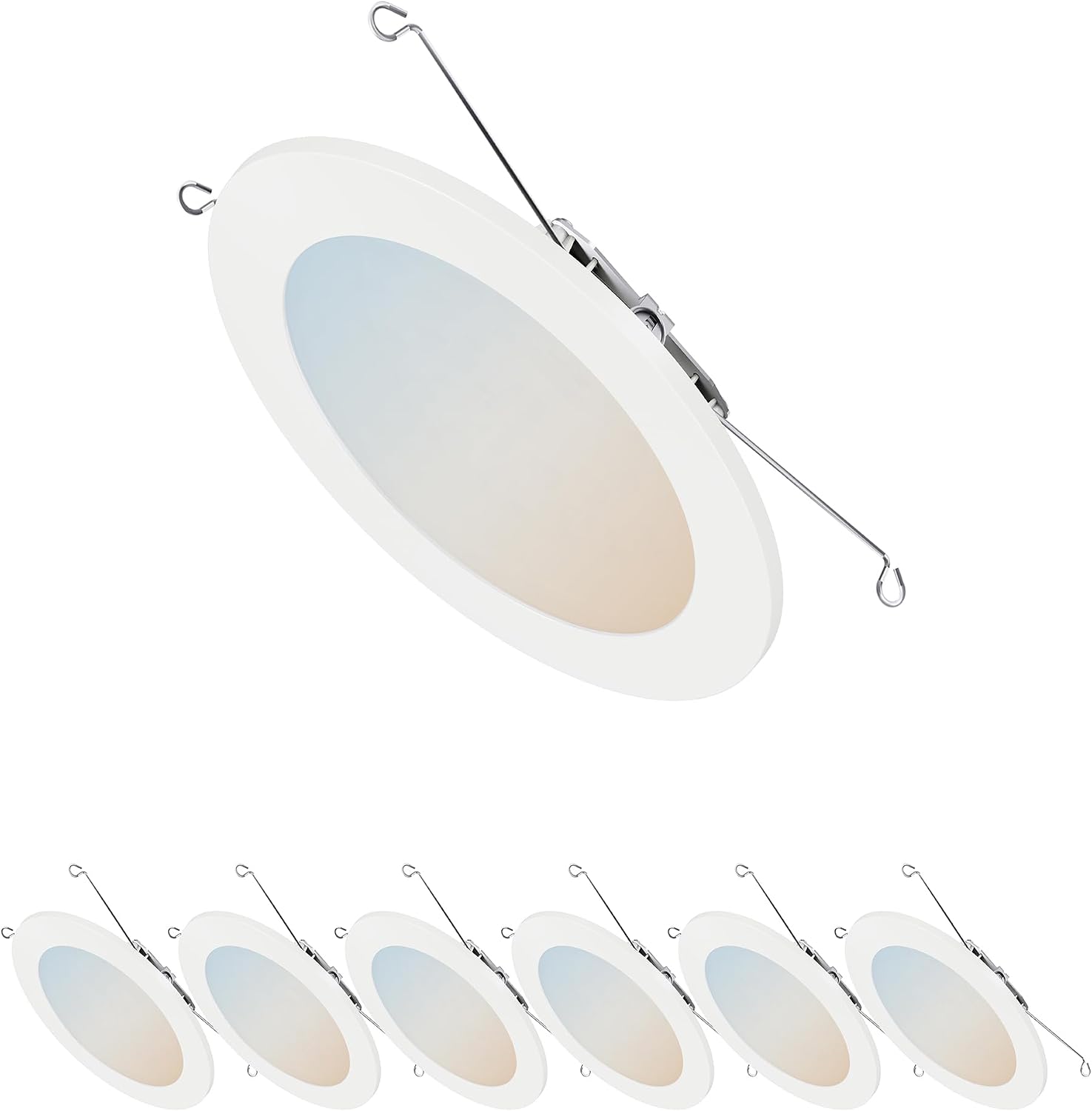
Set flush into the ceiling, recessed lights provide clean, unobtrusive general lighting without any visible fixture.
This suits a modern bathroom where visible light fixtures would compete with a minimal design.
Multiple recessed lights spread evenly across the ceiling avoid the harsh single-point shadow a lone fixture creates.


LED Strip Lights
Thin LED strips work well under cabinets, around a mirror frame, or along a tub edge for subtle accent lighting.
This fixture type is less about primary lighting and more about mood and detail — a soft glow for a nighttime bathroom trip without full brightness.
Dimmable, color-adjustable strips add flexibility that a fixed fixture can't match.


How to Actually Choose
Bathroom size and layout set real constraints — a small bathroom may only need one well-placed fixture, where a larger one needs a layered combination.
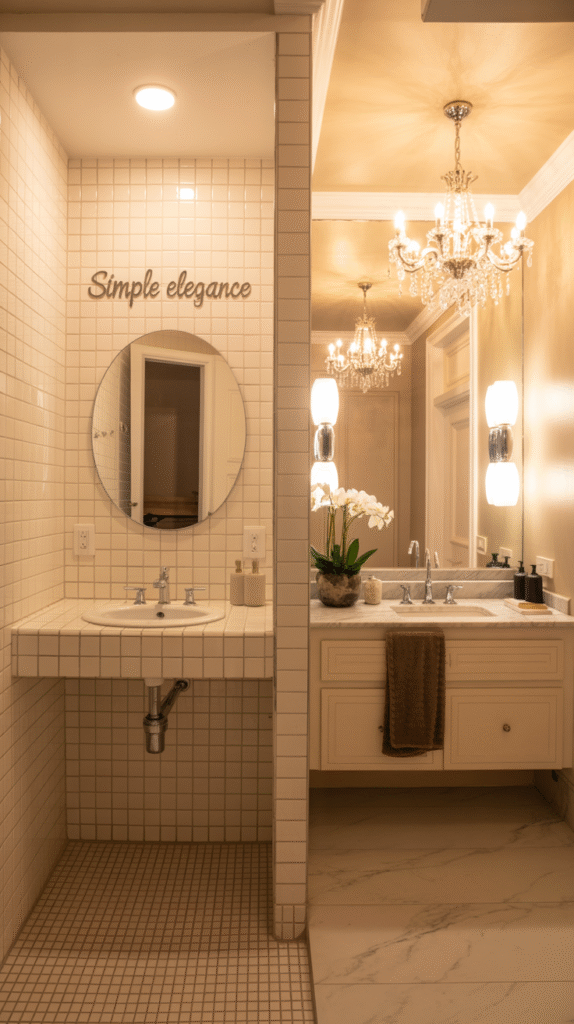


Function comes before style in the decision order. A fixture that looks great but doesn't light the mirror properly isn't doing its real job.
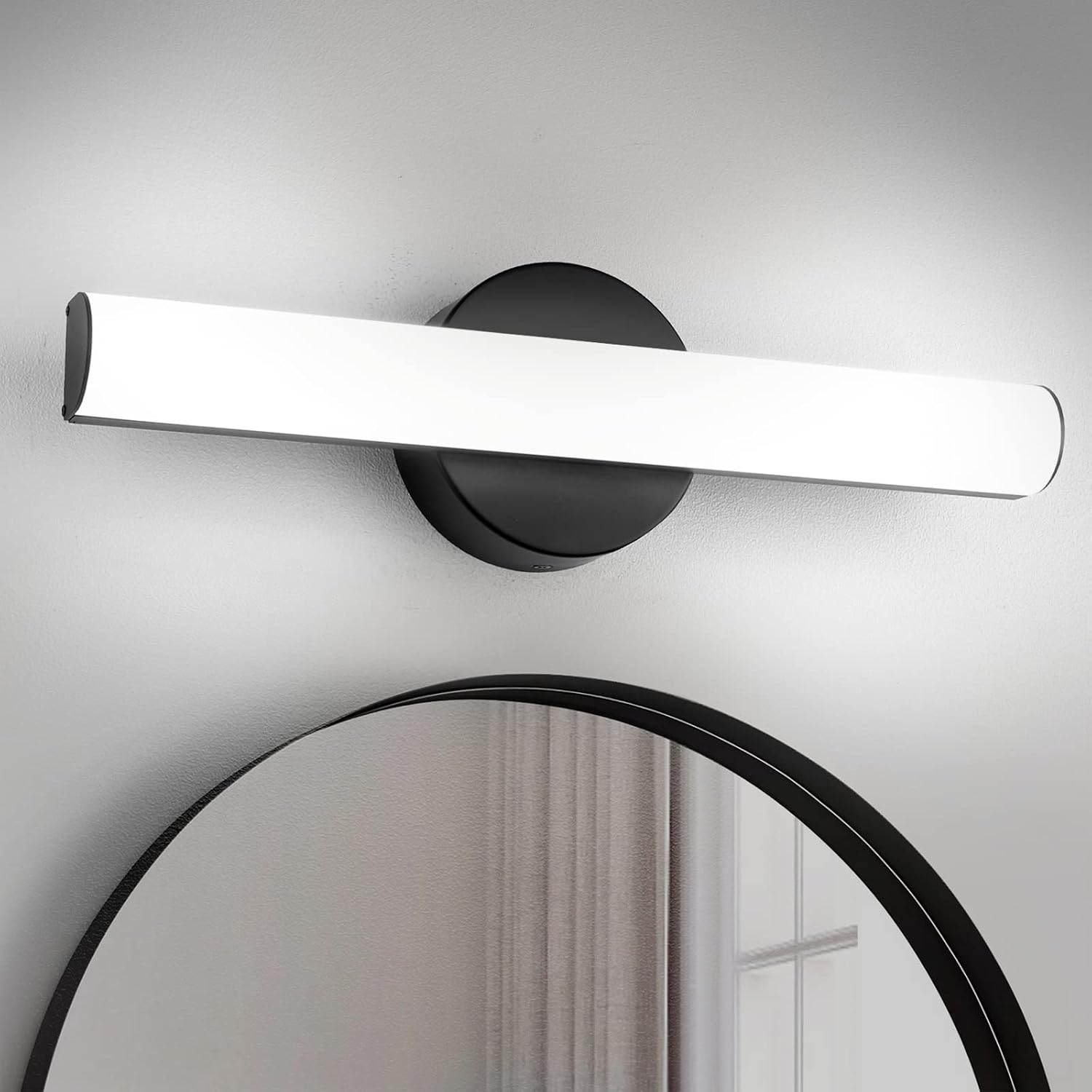
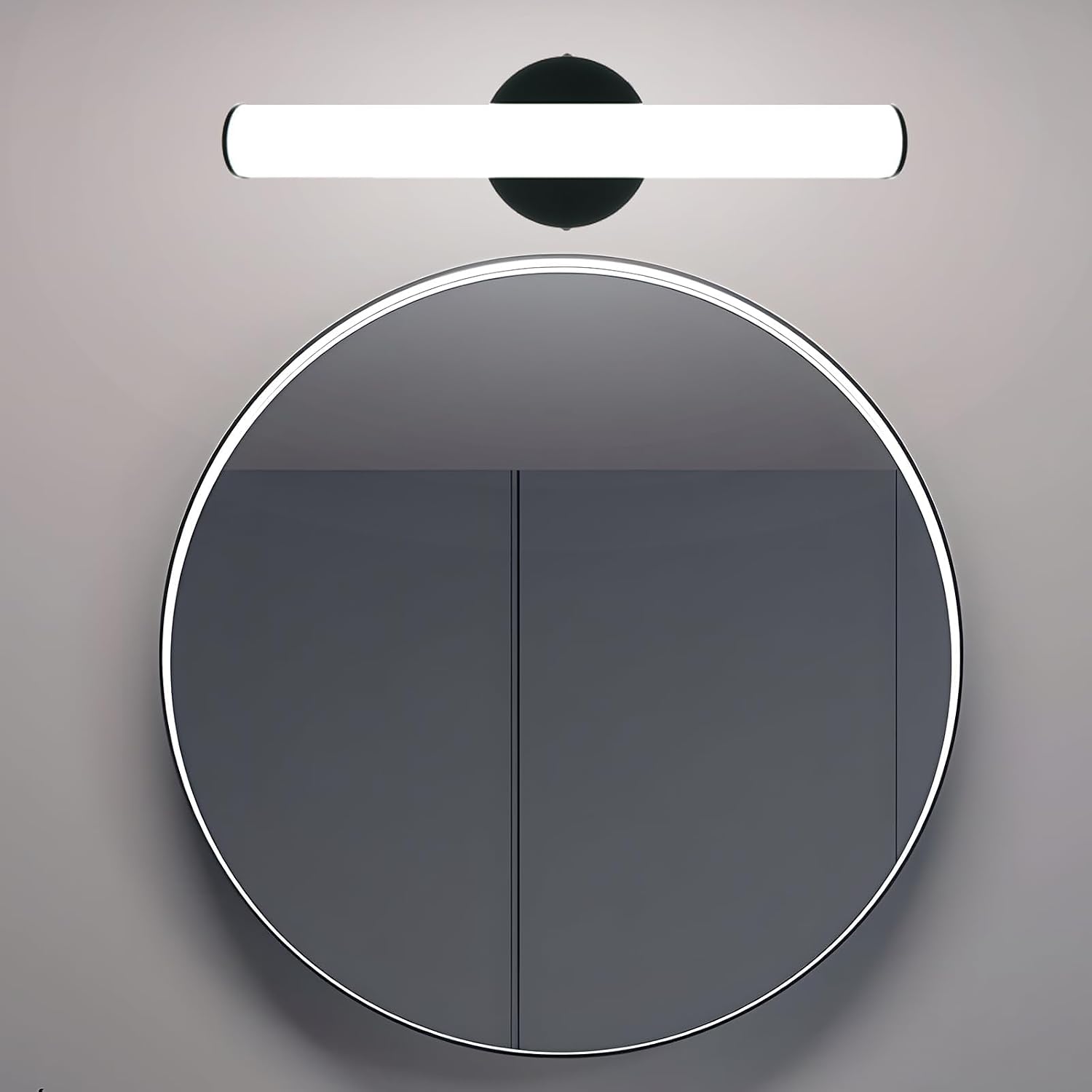
Once function is settled, matching the fixture finish and shape to the room's existing style ties the whole space together.


Features Worth Checking Before Buying
A damp or wet-rated label matters for anything installed near a shower or tub — a standard fixture isn't built for that exposure.
Color temperature affects how the whole room reads — warm light (around 2700-3000K) flatters skin tone better than a cooler, clinical white.
Dimmability adds real flexibility between a bright task-lighting mode and a softer evening one.
Energy-efficient LED options now cost little more than standard bulbs while lasting considerably longer.
Mistakes Worth Avoiding
Relying on a single overhead fixture for the whole room almost always leaves the mirror under-lit for actual grooming tasks.
Choosing a fixture based purely on looks, without checking it's rated for a bathroom's humidity, risks a fixture that fails early.
Skipping dimmers removes flexibility the room will likely need at different times of day.
Placing vanity lighting too high above the mirror creates the same harsh shadow problem a single ceiling light does.


Quick Guidelines to Keep in Mind
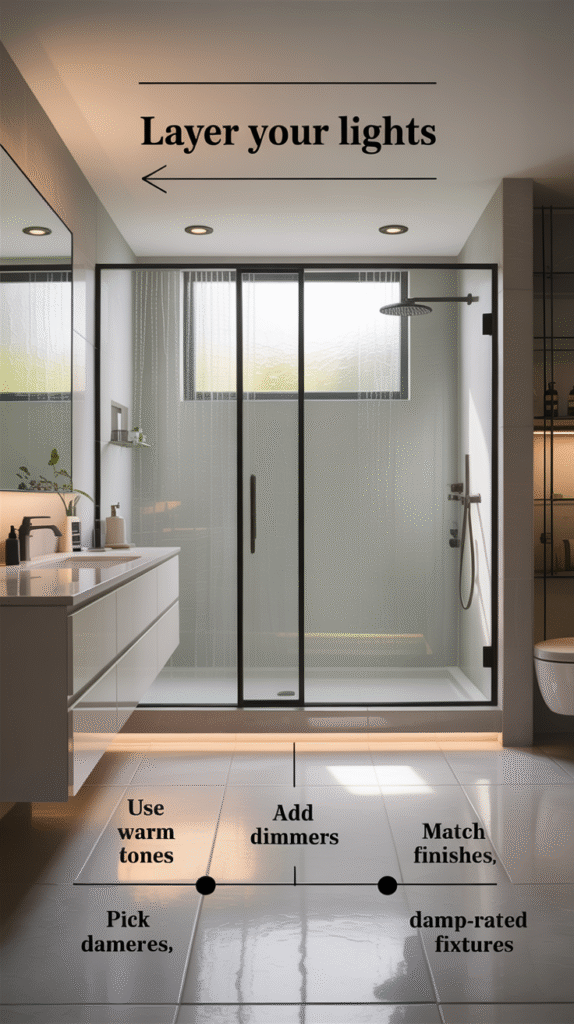
Layer at least two fixture types — ambient and task lighting — rather than relying on just one.
Choose warm-toned bulbs for anywhere near the mirror.
Check the damp or wet rating before buying anything for a shower or tub area.
Add a dimmer wherever the budget allows for it.

Final Thoughts
The right bathroom lighting setup is rarely one single fixture — it's a combination that covers both daily function and overall mood.
Start with the vanity lighting, since that's what affects daily grooming tasks the most directly.
Layer in ceiling or recessed lighting for general coverage, then add sconces or LED strips for the finishing touch.
Getting the function right first makes every style decision after that much easier.